
Heat Pump FAQs: Answers to Common Questions About Heat Pump Systems
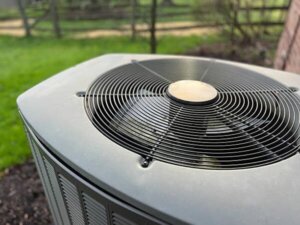
Heat pumps are an increasingly popular option for homeowners who want one system to provide both heating and cooling. Unlike a traditional furnace and air conditioner combination, a heat pump can transfer heat into or out of your home depending on the season. This makes it a versatile and energy-efficient option for many homes in the St. Louis area.
However, homeowners often have questions about how heat pumps work, how well they perform during cold Missouri winters, what maintenance they need, and when repairs or replacement may be necessary.
At Galmiche & Sons, we help homeowners throughout the greater St. Louis area choose, maintain, repair, and replace heating and cooling systems. Below, we answer common heat pump questions to help you better understand your equipment and make informed decisions about your home's comfort.
To learn more about heat pumps for your St. Louis home, contact our team today.
Understanding Heat Pumps
1. What is a heat pump, and how does it work?
A heat pump is a heating and cooling system that transfers heat rather than generating it through combustion or electric resistance heating. It uses refrigerant and a refrigeration cycle to move heat between the indoor and outdoor air.
During warmer months, a heat pump removes heat from inside your home and transfers it outdoors, much like a traditional air conditioner. During colder months, it reverses the process, extracting heat from outdoor air and moving it inside.
Because it moves existing heat instead of creating all its heat from another energy source, a heat pump can provide efficient heating and cooling.
For a more detailed explanation, read our article on how a heat pump works.
2. Can a heat pump provide both heating and air conditioning?
Yes. One of the main advantages of a heat pump is that it provides both heating and cooling in a single system.
In summer, it operates like an air conditioner by removing heat from your home. In winter, it reverses the refrigerant cycle to bring heat indoors.
A heat pump can be a convenient option for homeowners who want year-round comfort without maintaining separate heating and cooling equipment. Depending on the home's design and heating needs, a heat pump may operate as the primary heating system or work alongside a supplemental heating source.
Learn more about the pros and cons of a heat pump.
3. What is the difference between a heat pump and a traditional air conditioner?
A traditional air conditioner provides cooling only. It removes heat from inside the home and releases it outdoors.
A heat pump can do the same thing, but it also has a reversing valve that allows it to move heat in the opposite direction during colder months. This gives it the ability to provide both heating and cooling.
The two systems share many components and operate using similar refrigeration principles. However, a heat pump includes additional controls and components that allow it to operate in both directions.
If you are comparing heating and cooling options for your home, Galmiche & Sons can help you evaluate the advantages of different systems.
Or read our guide to learn more about comparing heat pump vs. AC.
4. What is the difference between a heat pump and a furnace?
A heat pump transfers heat from one location to another, while a furnace generates heat using natural gas, propane, or electricity.
A heat pump can provide both heating and cooling, while a traditional furnace provides heat and typically works with a separate air conditioner for cooling.
In many conditions, a heat pump can provide heating more efficiently than electric resistance heating. A gas furnace may be a practical choice in homes with access to natural gas, particularly when outdoor temperatures are very low.
The best option depends on your home's existing equipment, energy costs, insulation, comfort preferences, and heating requirements. In some homes, a heat pump and furnace can also work together as a dual-fuel system.
Considering a heat pump vs. furnace, learn which system is right for you.
5. What are the different types of heat pumps?
Several types of heat pumps are available, and each is designed for different applications.
Common types include:
- Air-source heat pumps: Transfer heat between the indoor air and outdoor air. These are commonly used in residential heating and cooling systems.
- Ductless mini-split heat pumps: Provide heating and cooling to individual rooms or zones without requiring traditional ductwork.
- Geothermal heat pumps: Transfer heat between the home and the ground, which maintains more stable temperatures than outdoor air.
The right type depends on your home's layout, existing ductwork, property, budget, and comfort needs.
Read our guide to the different types of heat pumps to learn more.
6. Are ductless mini-split systems a type of heat pump?
Yes. Many ductless mini-split systems use heat pump technology to provide both heating and cooling without requiring traditional ductwork.
A ductless system typically includes an outdoor unit connected to one or more indoor air handlers. Each indoor unit can serve a particular room or zone, allowing homeowners to control temperatures in different areas of the home.
Ductless heat pumps can be useful for additions, converted garages, homes without existing ductwork, or rooms that are difficult to heat and cool with a central system.
Learn more about ductless heat pump installation and service.
Heat Pump Performance and Efficiency
7. Do heat pumps work in cold weather?
Yes. Modern heat pumps can provide heating in cold weather, including the winter temperatures commonly experienced in the St. Louis area. However, their heating capacity and efficiency can decrease as outdoor temperatures drop.
The exact temperature range in which a heat pump can operate effectively depends on its design, model, and rated performance. Some systems are specifically designed to maintain heating capacity at lower outdoor temperatures.
When temperatures become especially cold, a heat pump may use supplemental or auxiliary heat to help maintain the desired indoor temperature. Proper equipment selection and installation are important for ensuring reliable winter comfort.
Learn more about cold-weather heat pump performance.
8. What is auxiliary heat, and when does a heat pump use it?
Auxiliary heat is a supplemental heating source that helps a heat pump warm your home when the system needs additional heating capacity. Many residential systems use electric resistance heating strips for this purpose, although some homes have other supplemental heating arrangements.
Auxiliary heat may activate when:
- Outdoor temperatures are very cold.
- The heat pump cannot keep up with the heating demand.
- The thermostat calls for a large temperature increase.
- The system is temporarily unable to provide enough heat on its own.
Seeing an auxiliary heat indicator occasionally during cold weather does not necessarily mean something is wrong. However, if auxiliary heat runs frequently or for extended periods in moderate weather, it may be worth having the system inspected. Excessive use can increase electricity consumption.
9. Can a heat pump provide enough heat during a Missouri winter?
A properly selected and installed heat pump can provide effective heating for many homes in the St. Louis area. However, performance depends on the specific equipment and the home's heating requirements.
As outdoor temperatures drop, some heat pumps lose heating capacity and may need supplemental heat to maintain indoor comfort. Cold-climate models are designed to provide better heating performance at lower temperatures.
When choosing a system, it is important to consider local winter conditions, the home's insulation, the size and layout of the home, and the equipment's low-temperature performance.
A professional assessment can help determine whether a heat pump is a suitable primary heating system for your home or whether a supplemental heating source would be beneficial.
Are heat pumps worth it in Missouri? Learn more.
10. Are heat pumps energy efficient?
Heat pumps can be highly energy efficient because they transfer heat instead of generating it directly. Under suitable conditions, they can deliver more heating energy than the electrical energy they consume.
However, actual efficiency depends on several factors, including outdoor temperatures, equipment design, system condition, installation quality, and thermostat settings.
When comparing heat pumps, look at their efficiency ratings, including Heating Seasonal Performance Factor (HSPF2) for heating and Seasonal Energy Efficiency Ratio 2 (SEER2) for cooling. These ratings help homeowners compare the efficiency of different models.
For more information, see our article explaining heat pump efficiency ratings.
11. Can a heat pump improve indoor air quality?
A heat pump can help circulate and filter indoor air as part of your home's heating and cooling system. However, a standard heat pump does not automatically remove every indoor air pollutant or address all indoor air quality concerns.
Air filtration, proper ventilation, humidity control, duct cleanliness, and regular equipment maintenance all contribute to a healthier indoor environment.
Keeping the air filter clean and maintaining your system can support good airflow and help reduce airborne particles captured by the filter. If you have specific indoor air quality concerns, an HVAC professional can help evaluate possible solutions.
Read more about heat pumps and indoor air quality.
Heat Pump Problems and Repairs
12. Why is my heat pump blowing cold air when it is in heating mode?
A heat pump may occasionally produce air that feels cooler than the warm air coming from a traditional furnace. This is because heat pumps generally deliver air at a lower temperature than gas furnaces.
However, if the air coming from your vents feels unusually cold or your home is not warming up, there may be a problem.
Possible causes include:
- The thermostat is set incorrectly.
- The system is operating in defrost mode.
- The outdoor unit has a problem.
- The reversing valve is malfunctioning.
- Refrigerant levels or system performance are affected by a leak or other issue.
- Auxiliary heat is not operating properly.
If the system continues blowing cold air or cannot maintain your desired indoor temperature, schedule a professional inspection.
For help diagnosing a problem, visit our heat pump repair services page.
13. Why is my heat pump covered in ice?
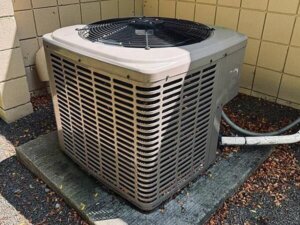
A thin layer of frost on the outdoor heat pump coil can be normal during cold, damp weather. Heat pumps have a defrost cycle that temporarily reverses operation to remove frost buildup from the outdoor coil.
However, a thick layer of ice that remains on the unit can indicate a problem. Possible causes include a malfunctioning defrost control, restricted airflow, a fan problem, or an issue with the refrigerant system.
Keep the area around the outdoor unit clear of leaves, snow, and other obstructions. Do not chip or scrape ice from the equipment, as this can damage the coil or other components.
If the outdoor unit remains heavily iced or the system is not heating properly, contact an HVAC professional.
See our heat pump troubleshooting guide to learn more.
14. Why does my heat pump keep turning on and off?
Frequent starting and stopping, also known as short cycling, can indicate a problem with your heat pump or the way it is operating.
Common causes include:
- A dirty air filter or restricted airflow
- Thermostat problems or incorrect settings
- An improperly sized system
- Refrigerant-related issues
- Electrical or control problems
- A malfunctioning component
Some variation in operating cycles is normal, especially as outdoor temperatures change. However, frequent short cycles can affect comfort, increase energy use, and place additional strain on the equipment.
A professional inspection can help identify the cause and determine whether repair or adjustment is needed.
Learn more about heat pump short cycling causes and fixes.
15. Why is my heat pump running constantly?
Heat pumps may run for longer cycles than traditional furnaces, especially during cold weather. This is not necessarily a sign of a problem. Heat pumps often deliver heat more gradually and maintain indoor temperatures through longer operating periods.
However, if your system runs continuously without maintaining a comfortable temperature, it may be struggling to meet your home's heating demand.
Possible causes include very low outdoor temperatures, restricted airflow, inadequate insulation, incorrect equipment sizing, or a system malfunction.
If your heat pump runs constantly during moderate weather or your home never reaches the thermostat setting, have the system evaluated.
Learn more common heat pump problems and solutions.
Heat Pump Maintenance
16. How often should a heat pump be serviced?
Most heat pumps should receive professional maintenance twice a year, ideally once before the cooling season and once before the heating season.
Unlike a furnace or air conditioner that may only operate during one season, a heat pump typically works year-round. Seasonal maintenance gives a technician an opportunity to inspect the system in both heating and cooling modes.
Routine service may include checking refrigerant-related components, inspecting electrical connections, cleaning coils as needed, checking airflow, testing controls, and evaluating overall system performance.
Learn more about our heat pump maintenance services and read our guide to seasonal heat pump maintenance.
17. What is included in a professional heat pump tune-up?
A professional heat pump tune-up involves inspecting and testing the components responsible for heating and cooling your home.
Depending on the equipment and its condition, a maintenance visit may include:
- Inspecting indoor and outdoor equipment
- Checking and cleaning coils as needed
- Inspecting electrical connections and components
- Checking refrigerant system performance
- Inspecting the blower and airflow
- Checking the condensate drain
- Testing thermostat operation and system controls
- Checking the reversing valve and defrost operation
- Evaluating overall heating and cooling performance
The exact tasks may vary based on the system and manufacturer recommendations. Regular tune-ups can help identify developing issues and keep your equipment operating as intended.
Learn more about what is included in a professional heat pump tune-up.
18. How often should I change my heat pump air filter?
Most homeowners should check their heat pump filter monthly and replace it approximately every one to three months, depending on the filter type and household conditions.
You may need to change it more frequently if you have pets, allergies, several people in the home, or heavy system use.
A dirty filter can restrict airflow, reduce efficiency, and make it harder for your heat pump to maintain a comfortable temperature. It can also contribute to unnecessary strain on system components.
Always follow the filter manufacturer's recommendations and check your filter regularly throughout the year.
For additional guidance, see our article on heat pump filter replacement.
19. Can I perform heat pump maintenance myself?
Homeowners can handle a few basic tasks to help keep a heat pump operating properly between professional maintenance visits.
These include:
- Checking and replacing the air filter as needed
- Keeping the outdoor unit clear of leaves, grass, and other debris
- Making sure indoor supply and return vents are not blocked
- Keeping the area around the equipment clear
- Monitoring the system for unusual noises, odors, or performance changes
More involved maintenance, such as inspecting electrical components, checking refrigerant performance, testing system controls, and servicing internal components, should be handled by a qualified HVAC technician.
For more homeowner-friendly tips, read our guide to DIY heat pump maintenance.
Heat Pump Lifespan and Replacement
20. How long does a heat pump typically last?
Many residential heat pumps have an expected lifespan of approximately 10 to 15 years, although some systems may last longer with proper installation and maintenance.
Factors that affect lifespan include:
- How frequently the system operates
- The quality and condition of the equipment
- Whether the system was properly sized and installed
- How consistently maintenance is performed
- Local weather conditions and operating demands
Because heat pumps provide both heating and cooling, they may operate throughout the year rather than sitting unused during one season. Regular professional maintenance can help identify developing problems and support reliable operation.
If your heat pump is aging or requiring frequent repairs, a professional evaluation can help you determine whether continued repairs or replacement makes more sense.
Check out our heat pump lifespan guide to learn more.
21. Should I repair or replace my heat pump?
Whether to repair or replace a heat pump depends on its age, condition, repair history, efficiency, and the cost of the needed work.
Repair may make sense if the system is relatively new, has been well maintained, and needs a minor or reasonably priced repair.
Replacement may be worth considering if:
- The heat pump is approaching or beyond its expected lifespan.
- Repairs are becoming more frequent or expensive.
- The system struggles to maintain comfortable temperatures.
- Energy costs have increased without another clear explanation.
- A major component has failed.
- Replacement equipment could provide meaningful improvements in efficiency or comfort.
The cost of a repair should be considered alongside the age and overall condition of the equipment. A professional evaluation can help you compare your options.
Learn more about our heat pump replacement services.
22. How do I know what size heat pump my home needs?
Choosing the right size heat pump is important for maintaining comfort and efficiency.
A system that is too small may struggle to heat or cool your home during extreme weather. An oversized system may cycle too frequently, potentially reducing efficiency and affecting temperature and humidity control.
An HVAC professional should evaluate several factors when determining the appropriate equipment size, including:
- Square footage and layout
- Ceiling height
- Insulation levels
- Window size and efficiency
- Air leakage
- Ductwork condition and design
- Local heating and cooling requirements
A professional load calculation helps determine the system capacity your home needs rather than relying on square footage alone.
View our heat pump sizing guide for more.
Schedule Heat Pump Service in St. Louis
A properly maintained heat pump can provide dependable heating and cooling throughout the year. Whether you need help with an unexpected breakdown, seasonal maintenance, a new installation, or a replacement system, Galmiche & Sons can help you find the right solution for your home.
Since 1950, our team has provided heating and cooling services throughout the greater St. Louis area. We help homeowners keep their systems operating efficiently and maintain comfortable indoor temperatures through every season.
If you have questions about your heat pump or need professional service, contact Galmiche & Sons at 314-993-1110 or request service online.
Explore More HVAC FAQs
Have questions about another part of your home's heating and cooling system? Explore our other FAQ resources including HVAC FAQs for Answers to Common Heating and Cooling Questions.


Read our Reviews: