Heating and Furnace FAQs: Answers to Common Questions About Home Heating
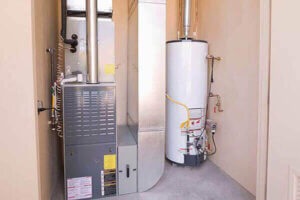
When the temperatures drop in the St. Louis area, a dependable heating system is essential for keeping your home comfortable. Whether you have a gas furnace or an electric furnace, understanding how your system works, what maintenance it needs, and when to call for professional service can help you avoid unexpected problems and keep heating costs under control.
At Galmiche & Sons, we have been helping homeowners throughout the greater St. Louis area with their heating needs since 1950. Our experienced technicians provide furnace installation, repair, and maintenance services to help keep residential heating systems operating safely and efficiently.
Below, we answer some of the most common furnace questions homeowners ask. If you are considering a new heating system or need help with your existing equipment, explore our furnace services in St. Louis.
Understanding Furnaces and Home Heating
1. How does a furnace work?
A furnace heats your home by warming air and distributing it through your ductwork. Most residential furnaces use either natural gas or electricity to generate heat.
In a gas furnace, natural gas is burned inside a heat exchanger. Air passes over the heated exchanger, warms up, and is circulated throughout the home by a blower motor. In an electric furnace, heating elements warm the air before the blower distributes it through the duct system.
A thermostat monitors the indoor temperature and signals the furnace when additional heat is needed. When the desired temperature is reached, the system shuts off until another heating cycle is necessary.
Interested in learning more? Find out how gas furnaces work or how electric furnaces work.
2. What is the difference between a gas furnace and an electric furnace?
The primary difference is the energy source used to generate heat. A gas furnace burns natural gas, while an electric furnace uses electrical heating elements.
Gas furnaces are popular because natural gas can be a relatively affordable heating fuel, depending on local utility rates and equipment efficiency. Electric furnaces do not require a gas connection or combustion venting and can be a practical choice for homes without access to natural gas.
The best option depends on several factors, including your home's existing utilities, installation requirements, energy costs, and heating needs.
Learn more about the advantages and considerations of gas furnaces and electric furnaces.
3. What temperature should I set my thermostat to in winter?
The best thermostat setting depends on your comfort preferences, household schedule, and energy-saving goals. Many homeowners choose a setting around 68 degrees Fahrenheit while they are home and awake, then lower the temperature when sleeping or away.
A programmable or smart thermostat can automatically adjust temperatures based on your routine. This can help reduce unnecessary heating when the home is unoccupied.
However, avoid setting the temperature so low that it creates a risk of frozen pipes during extremely cold weather. Your home's insulation, plumbing location, and outdoor conditions should all be considered.
For more information, learn our tips for optimizing your thermostat for winter or read about the benefits of programmable thermostats.
4. Are high-efficiency furnaces worth the investment?
A high-efficiency furnace can use less fuel to produce the same amount of heat compared with a less efficient model. This may reduce heating costs over time, particularly for households that use their furnace frequently.
When comparing furnaces, look at the Annual Fuel Utilization Efficiency (AFUE) rating. This percentage indicates how much of the fuel a furnace converts into usable heat. A higher AFUE rating generally means greater fuel efficiency.
However, the best choice is not always the furnace with the highest efficiency rating. Equipment cost, installation requirements, fuel prices, household heating needs, and expected usage should all factor into the decision.
A knowledgeable HVAC professional can help you compare available options and determine which system offers the best overall value for your home.
Learn more about whether eco-friendly furnace installation is right for you.
Furnace Problems and Repairs
5. How do I know if my furnace needs repair?
A furnace does not always stop working completely when a problem develops. In many cases, it will show warning signs before a major breakdown occurs.
Common signs your furnace may need repair include:
- Unusual banging, rattling, squealing, or grinding noises
- Warm air that is weak or inconsistent
- Certain rooms staying colder than others
- The furnace turning on and off frequently
- A sudden increase in heating bills
- The system taking longer than usual to heat your home
- The furnace failing to start or shutting down unexpectedly
These symptoms can have several causes, from restricted airflow and thermostat problems to worn electrical or mechanical components. Having the system inspected can help identify the underlying issue before it becomes more serious.
For professional assistance, visit our furnace repair services page.
6. Why is my furnace running but not producing heat?
If your furnace turns on but does not produce warm air, there may be a problem with the thermostat, ignition system, heating elements, airflow, or another internal component.
Before scheduling service, you can check a few basic things:
- Make sure your thermostat is set to Heat and the temperature is set higher than the current room temperature.
- Check that the furnace's power switch and circuit breaker have not been turned off or tripped.
- Inspect the air filter and replace it if it is dirty or clogged.
- Make sure supply and return vents are not blocked.
If these steps do not resolve the problem, the furnace may need professional diagnosis. Avoid attempting to repair gas connections, electrical components, or internal furnace parts yourself.
Learn more about a furnace blowing cold air or for more information about common problems and repair options, read our guide to common furnace problems.
7. Why does my furnace keep turning on and off?
A furnace that repeatedly turns on and off in short intervals may be experiencing a problem known as short cycling.
Short cycling can occur for several reasons, including:
- A dirty air filter restricting airflow
- An improperly calibrated or malfunctioning thermostat
- An overheating furnace
- Restricted airflow through the ductwork
- An improperly sized heating system
- A malfunctioning safety control or other internal component
Occasional cycling is normal as your furnace maintains the temperature in your home. However, frequent or unusually short cycles can increase energy use and place unnecessary strain on the equipment.
Check your filter first. If the problem continues, schedule a professional inspection to determine what is causing the system to cycle improperly.
8. Why are some rooms in my home colder than others?
Uneven heating can be caused by several issues, and the furnace itself is not always the problem.
Possible causes include:
- Leaking or poorly insulated ductwork
- Blocked or closed air vents
- An improperly balanced duct system
- A dirty air filter restricting airflow
- Thermostat placement or calibration issues
- An undersized or improperly configured heating system
If some rooms consistently feel colder than others, an HVAC technician can evaluate the furnace, ductwork, and airflow throughout your home. Identifying the source of the problem is the first step toward improving comfort.
9. Why is my furnace making strange noises?
Some furnace sounds are part of normal operation, but new, loud, or persistent noises may indicate a problem.
Examples include:
- Banging or popping: May be related to duct expansion, delayed ignition, or loose components.
- Squealing or screeching: Can indicate a worn belt, motor bearing, or blower-related issue.
- Rattling: May point to loose panels, fasteners, or internal components.
- Grinding: Could indicate a problem with the blower motor or another moving part.
- Repeated clicking: May be associated with ignition or electrical control problems.
Do not ignore unusual sounds, especially if they occur alongside poor heating performance or frequent cycling. A technician can inspect the system and determine whether a repair is needed.
Learn more in our guide to common furnace noises.
10. Is it normal for my furnace to smell when I turn it on for the first time in fall?
A mild dusty or burning-dust smell when you first turn on your furnace after months of inactivity can be normal. Dust that accumulated on internal components may burn off during the first heating cycle. This odor should generally disappear relatively quickly.
However, persistent or unusual smells should not be ignored.
If you smell gas or rotten eggs, leave the home immediately without operating electrical switches or using anything that could create a spark. From a safe location, contact your gas utility or emergency services as appropriate. Do not re-enter until it has been determined safe.
If you notice a persistent burning, electrical, or other unusual odor, turn off the furnace if it is safe to do so and contact an HVAC professional.
You can learn more about safe operation and warning signs in our furnace safety checklist.
11. Is it safe to operate a furnace that is making unusual noises or producing unusual smells?
It depends on the cause, but unusual noises and odors should never be dismissed as normal without investigating them.
Some issues may be relatively minor, while others can indicate electrical problems, overheating, combustion issues, or a potential gas leak.
If you smell gas or suspect a carbon monoxide problem, leave the home immediately and contact the appropriate emergency service from a safe location. Carbon monoxide is odorless, so working carbon monoxide detectors are important in homes with fuel-burning appliances.
If a carbon monoxide alarm sounds, or anyone experiences possible symptoms of exposure such as headache, dizziness, nausea, or confusion, get everyone outside and call 911. Do not return until emergency responders say it is safe.
For other unusual furnace symptoms, contact a qualified HVAC technician for an inspection before continuing to operate a potentially malfunctioning system.
12. Should I repair my furnace myself or call an HVAC professional?
Homeowners can safely handle a few basic furnace maintenance tasks, such as replacing air filters, keeping vents clear, and making sure the area around the equipment is free of clutter.
However, most furnace repairs should be handled by a trained HVAC professional. Gas connections, ignition systems, electrical components, heat exchangers, and safety controls require specialized knowledge and equipment.
Attempting to repair these components without the proper training can create safety risks or cause additional damage to the system.
If your furnace is not working correctly, professional diagnosis can help identify the problem and determine the appropriate repair.
Learn more furnace repair safety tips.
Furnace Maintenance and Care
13. How often should I have my furnace serviced?
Most residential furnaces should receive professional maintenance at least once a year. Fall is generally a good time to schedule service because it allows a technician to inspect the system before it begins working heavily during the winter.
Routine maintenance helps identify worn components, check important safety features, clean essential parts, and verify that the furnace is operating properly.
Gas furnaces require particular attention to combustion, venting, and heat exchanger condition. Electric furnaces also need regular inspections of their heating elements, electrical connections, blower, and controls.
Learn more about our furnace maintenance services and read our gas furnace maintenance checklist for additional guidance.
14. What is included in professional furnace maintenance?
A professional furnace tune-up involves inspecting, cleaning, and testing important system components to help ensure safe and reliable operation.
Depending on the type of furnace and its condition, maintenance may include:
- Inspecting the heat exchanger and burners on gas furnaces
- Checking the ignition system or electrical heating elements
- Inspecting and testing safety controls
- Checking electrical connections and system wiring
- Inspecting the blower motor and other moving components
- Checking airflow and the air filter
- Inspecting venting and combustion-related components on gas systems
- Testing thermostat operation
- Checking overall system performance
Regular service can help identify developing problems, maintain efficiency, and reduce the likelihood of unexpected breakdowns.
For a closer look at what homeowners can do between professional visits, see our complete HVAC maintenance checklist.
15. How often should I change my furnace filter?
Most homeowners should check their furnace filter monthly and replace it approximately every one to three months. However, the correct schedule depends on the filter type, household conditions, and how frequently the heating system operates.
You may need to replace your filter more often if you have pets, allergies, several people living in the home, or heavy furnace use during the winter.
A dirty filter restricts airflow, making the furnace work harder to circulate heated air. This can reduce efficiency, affect comfort, and contribute to equipment problems.
Check your filter regularly and follow the replacement recommendations for its specific type and rating.
Learn more in our furnace filter replacement guide.
Furnace Lifespan, Replacement, and Installation
16. How long does a furnace typically last?
Most residential furnaces last approximately 15 to 20 years, although the actual lifespan depends on the equipment, installation quality, usage, and maintenance history.
A furnace that receives regular professional maintenance may operate reliably for many years. However, as equipment ages, components can wear out, repairs may become more frequent, and efficiency can decline.
If your furnace is approaching the end of its expected lifespan, it is a good idea to have its condition evaluated. A professional can help you compare the cost of continued repairs with the potential benefits of installing a newer, more efficient system.
Learn more about how you can extend furnace lifespan.
17. What are the signs that I need to replace my furnace instead of repairing it?
A furnace replacement may be worth considering when your existing system is older, increasingly unreliable, or no longer heating your home efficiently.
Some signs it may be time for a new furnace include:
- Your furnace is approximately 15 to 20 years old or older.
- Repair needs are becoming more frequent.
- The cost of a major repair is high compared with the value of the equipment.
- Your heating bills have increased without a clear explanation.
- Your home has persistent comfort or temperature problems.
- Replacement parts are difficult to find.
- The furnace no longer meets your household's heating needs.
Age alone does not automatically mean a furnace needs replacement. A professional evaluation can help determine whether repairing the existing equipment or investing in a new system makes more financial sense.
Learn more about furnace repair vs. replacement or explore our furnace installation services to learn more about your replacement options.
18. How do I choose the right size furnace for my home?
Choosing the correct furnace size is important for comfort, energy efficiency, and long-term system performance.
A furnace that is too small may struggle to heat your home during cold weather. A system that is too large may cycle on and off too frequently, potentially increasing wear and reducing comfort.
HVAC professionals consider several factors when determining the appropriate furnace size, including:
- The home's square footage and layout
- Ceiling height
- Insulation levels
- Window size and efficiency
- Air leakage and ventilation
- Local climate and heating requirements
A professional load calculation is a more reliable way to determine the right equipment than choosing a furnace based only on the size of your home or the capacity of the previous unit.
Galmiche & Sons can help evaluate your home's heating needs and recommend an appropriately sized system as part of our furnace installation services. Learn more about replacement furnace sizing.
Schedule Furnace Repair, Installation, or Maintenance in St. Louis
A reliable furnace is essential for keeping your home comfortable during the coldest months of the year. Whether you need help diagnosing a heating problem, maintaining an existing system, or selecting a replacement furnace, Galmiche & Sons is here to help.
Since 1950, our team has provided heating and cooling services to homeowners throughout the greater St. Louis area. We work with gas and electric furnaces and offer professional installation, repair, and maintenance services to help protect your comfort and your investment.
If you have additional furnace questions or need professional heating service, contact Galmiche & Sons at 314-993-1110 or request service online.
Explore More HVAC FAQs
Have questions about another part of your home's heating and cooling system? Visit our HVAC FAQs for more Answers to Common Heating and Cooling Questions


Read our Reviews: