Air Conditioning FAQs: Common Questions About AC Systems
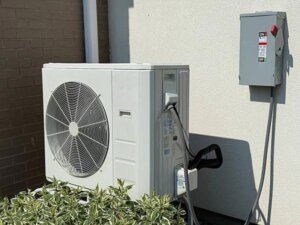
When the summer temperatures rise in St. Louis, a dependable air conditioning system makes a big difference in your home's comfort. Whether you're dealing with an air conditioner that isn't cooling properly, wondering how often to schedule maintenance, or considering replacing an older system, having reliable information can help you make the right decisions.
At Galmiche & Sons, we help homeowners throughout the St. Louis area with residential air conditioning services, including AC repair, installation, replacement, and maintenance. Below, we've answered some of the most common questions about home air conditioning systems, their operation, and how to keep them working properly.
If you need professional help with your cooling system, visit our air conditioner service page or contact Galmiche & Sons.
General Air Conditioning Questions
1. How does a central air conditioning system work?
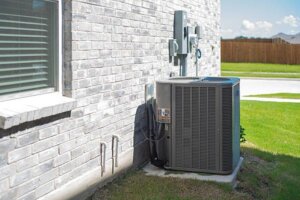
A central air conditioning system cools your home by removing heat from indoor air and transferring it outside. It uses a refrigeration cycle involving several key components:
- Evaporator coil: Absorbs heat from the air inside your home.
- Refrigerant: Circulates through the system, carrying heat between the indoor and outdoor components.
- Compressor: Pressurizes and circulates refrigerant through the system.
- Condenser coil: Releases the collected heat outdoors.
- Air handler or furnace blower: Circulates cooled air through your home's ductwork.
The system repeats this process to maintain the temperature selected on your thermostat. Because the components work together, a problem with one part can affect overall cooling performance.
Learn more about how an air conditioner works.
If your air conditioner isn't operating as expected, professional air conditioning repair can help identify the cause.
2. What size air conditioner does my home need?
The correct air conditioner size depends on more than the square footage of your home. HVAC professionals consider several factors when determining the appropriate cooling capacity, including:
- Total square footage and room layout
- Ceiling heights
- Insulation levels
- Window size, type, and placement
- Home orientation and sun exposure
- Air leakage and overall building construction
- Existing ductwork and airflow conditions
A professional load calculation helps determine how much cooling capacity your home needs.
An air conditioner that is too small may struggle to keep your home comfortable during hot weather. An oversized system may cool the space too quickly without running long enough to manage indoor humidity effectively. Proper sizing helps support comfort, efficiency, and reliable operation.
If you're considering a new cooling system, learn more about air conditioner sizing.
3. How long does an air conditioner typically last?
Many central air conditioning systems last approximately 10 to 15 years, although actual lifespan varies based on equipment quality, installation, usage, maintenance, and operating conditions.
Systems that receive regular professional maintenance may remain dependable longer than equipment that has been neglected. However, routine service cannot eliminate normal wear or prevent every mechanical failure.
As your air conditioner gets older, pay attention to warning signs such as:
- More frequent repair needs
- Reduced cooling performance
- Unusual noises or odors
- Inconsistent temperatures
- Increasing energy consumption
- Difficulty keeping your home comfortable
If your air conditioner is approaching the end of its expected lifespan, it may be helpful to compare the cost of continued repairs with the benefits of replacement.
You can also learn more about AC repairs that can extend air conditioner lifespan.
4. How much does it cost to replace a home air conditioner?
The cost of replacing a residential air conditioner depends on several factors, including equipment size, system efficiency, installation requirements, and the condition of existing ductwork and electrical components.
Other considerations may include:
- The type and efficiency rating of the new equipment
- Whether existing equipment or components need modification
- Installation complexity and accessibility
- Any necessary ductwork improvements
- Thermostat or control upgrades
Because every home and installation is different, an on-site evaluation is the best way to determine what equipment is appropriate and provide an accurate estimate.
When comparing estimates, consider more than the initial price. Equipment sizing, installation quality, efficiency, and the contractor's recommendations all matter.
Learn more about new air conditioner costs. For help evaluating your options, visit our air conditioner unit sales and installation page.
Common Air Conditioning Problems
5. Why is my air conditioner running but not cooling my home?
An air conditioner that runs continuously or regularly but does not adequately cool your home may have an airflow problem, a thermostat issue, or a malfunctioning component.
Possible causes include:
- A dirty or clogged air filter
- Blocked supply or return vents
- Dirty evaporator or condenser coils
- Refrigerant problems
- A malfunctioning compressor or fan
- Thermostat problems
- An improperly sized or aging system
Start by checking your thermostat settings and inspecting the air filter. Make sure vents are open and unobstructed. If the problem continues, schedule a professional inspection rather than attempting to repair internal components yourself.
For more information or assistance, visit our air conditioning repair page.
6. Why is my air conditioner blowing warm air?
If your air conditioner is blowing warm or room-temperature air, the system may not be completing the cooling process properly.
Some possible causes include:
- Incorrect thermostat settings
- A dirty air filter restricting airflow
- Frozen evaporator coils
- Low refrigerant caused by a leak
- Outdoor unit problems
- Electrical or mechanical component failures
Check that your thermostat is set to COOL and that the temperature setting is lower than the current indoor temperature. You can also inspect the air filter.
If the outdoor unit is not operating or the system continues to blow warm air, professional service may be necessary. Refrigerant and electrical problems should always be handled by qualified technicians.
7. Why is my air conditioner freezing up?
Ice forming on an air conditioner's indoor evaporator coil or refrigerant lines is a sign that something may be interfering with normal system operation.
Common causes include:
- Restricted airflow from a dirty air filter
- Blocked return air vents
- Dirty evaporator coils
- Blower motor problems
- Refrigerant issues
When ice develops, it can prevent the system from cooling properly and may contribute to additional equipment problems if ignored.
If you notice ice on your air conditioner, turn off the cooling system and contact an HVAC professional. Do not attempt to chip away the ice or continue running the system while it is frozen.
Galmiche & Sons can evaluate the equipment and determine what is causing the problem. Visit our why is my air conditioner freezing up page for more information.
8. Why is my air conditioner making unusual noises?
Air conditioners make some normal operating sounds, but sudden or unusually loud noises may indicate a developing problem.
Different sounds can point to different issues:
- Rattling: Loose panels, fasteners, or other components.
- Buzzing: Possible electrical issues, loose parts, or problems with motors or other components.
- Grinding: Potential motor or bearing problems.
- Squealing: Possible belt or motor-related issues, depending on the equipment.
- Banging: A loose or damaged component or another mechanical problem.
Do not ignore new or persistent noises. If a sound is loud, sudden, or accompanied by a burning smell or other signs of trouble, turn off the system and arrange professional service.
An HVAC technician can inspect the equipment, identify the source of the noise, and recommend appropriate repairs.
Learn more about troubleshooting air conditioner sounds.
9. Why does my air conditioner keep turning on and off?
An air conditioner that repeatedly starts and stops over short periods may be experiencing a problem known as short cycling.
Short cycling can have several causes, including:
- An oversized air conditioning system
- A dirty air filter restricting airflow
- Thermostat placement or control problems
- Frozen evaporator coils
- Refrigerant or electrical issues
- Overheating or other equipment malfunctions
Short cycling can interfere with indoor comfort and humidity control. It may also increase equipment wear because the system starts and stops more frequently than intended.
If your air conditioner repeatedly cycles on and off without maintaining a comfortable temperature, have it inspected by an HVAC professional.
Learn more about AC short cycling.
Air Conditioning Maintenance Questions
10. How often should I have my air conditioner serviced?
Most residential central air conditioning systems should receive professional maintenance once a year, typically in the spring before the cooling season begins.
An annual inspection gives an HVAC professional an opportunity to evaluate the equipment, check important components, and identify potential concerns before the system is needed during hot weather.
Depending on the equipment and manufacturer's recommendations, a maintenance visit may include:
- Inspecting system components
- Checking electrical connections and controls
- Evaluating airflow and system operation
- Inspecting coils and other important components
- Checking refrigerant-related performance
- Reviewing the condition of the condensate drain
- Identifying signs of wear or developing problems
Regular maintenance does not guarantee that an air conditioner will never break down, but it can help support dependable operation and identify issues that may otherwise go unnoticed.
For a closer look at what professional service involves, read our article, What Does Air Conditioner Maintenance Include?
You can also explore our complete HVAC maintenance checklist for homeowners.
11. How often should I change my air conditioner filter?
Most disposable residential HVAC filters need to be replaced every 30 to 90 days, but the correct interval depends on the filter type, system requirements, household conditions, and manufacturer's recommendations.
You may need to change your filter more frequently if:
- You have pets that shed.
- Your home has higher-than-normal dust levels.
- You have several people living in the home.
- Your air conditioner operates frequently.
- You use a filter with a shorter recommended replacement interval.
A dirty filter can restrict airflow, reducing cooling performance and making the system work harder to circulate air.
Check your filter monthly and replace it when it becomes dirty or reaches the manufacturer's recommended replacement interval. Always use the correct filter size and type for your equipment.
Check out these signs you need to change your air conditioner filter to learn more.
12. What can I do to maintain my air conditioner between professional tune-ups?
Homeowners can take several simple steps to help keep their air conditioning systems in good condition between professional maintenance visits.
Helpful tasks include:
- Check your air filter regularly and replace it as needed.
- Keep supply and return vents clear of furniture and other obstructions.
- Remove leaves and loose debris from around the outdoor unit.
- Keep plants and landscaping from restricting airflow around the outdoor equipment.
- Make sure the thermostat is operating properly.
- Pay attention to unusual noises, odors, or changes in cooling performance.
Avoid opening electrical compartments, handling refrigerant, or attempting repairs involving internal components.
For more practical advice, read our seasonal air conditioner maintenance guide and AC maintenance checklist.
13. Does air conditioner maintenance help lower energy bills?
Regular air conditioning maintenance can help support efficient system operation, which may help reduce unnecessary energy use.
When components become dirty, airflow is restricted, or mechanical problems develop, an air conditioner may have to work harder to provide the same level of cooling.
Professional maintenance helps identify these conditions and gives technicians an opportunity to address issues that affect performance.
Other ways to support air conditioning efficiency include:
- Replacing dirty air filters.
- Keeping vents and outdoor equipment clear.
- Using a programmable or smart thermostat appropriately.
- Sealing air leaks around windows and doors.
- Maintaining adequate home insulation.
- Addressing cooling problems promptly.
The age, condition, and efficiency rating of your equipment also influence energy consumption. Maintenance is important, but it cannot make an older or inefficient system perform like a newer, more efficient model.
Learn more about air conditioner maintenance and energy savings.
Air Conditioning Installation and Replacement Questions
14. When should I replace my air conditioner instead of repairing it?
There is no single age or repair-cost rule that applies to every air conditioner. The decision depends on the equipment's condition, repair history, performance, and the cost of keeping it operational.
Replacement may be worth considering if:
- Your air conditioner is nearing the end of its expected lifespan.
- It needs frequent or increasingly expensive repairs.
- It no longer cools your home consistently.
- Energy use has increased because of declining performance.
- A major component has failed.
- The system is no longer a practical fit for your home's needs.
If the system is relatively new and the problem is isolated, repair may be the more reasonable option.
A professional evaluation can help you compare the available choices and understand the potential benefits and costs of each.
Learn more about air conditioner repair vs. replacement.
15. What should I consider when choosing a new air conditioner?
Choosing a new air conditioner involves more than selecting a brand or the highest efficiency rating. The system should be appropriate for your home's cooling requirements and installed correctly.
Important considerations include:
- Proper sizing: The system should have enough capacity to cool your home without being oversized.
- Energy efficiency: Compare efficiency ratings to understand how different models use energy.
- Home layout: Ductwork, insulation, windows, and room configuration affect cooling needs.
- Equipment compatibility: Make sure the new system works with the home's existing components or account for necessary upgrades.
- Installation quality: Proper installation is essential for performance and dependable operation.
- Budget and long-term costs: Consider both the initial investment and expected operating costs.
An HVAC professional can evaluate your home and recommend equipment that fits your needs.
Get help choosing the right air conditioner for your home.
16. What do SEER2 and EER2 mean?
SEER2 and EER2 are efficiency ratings used to compare the energy performance of air conditioning equipment.
- SEER2: Seasonal Energy Efficiency Ratio 2 measures cooling efficiency over a range of operating conditions designed to represent a typical cooling season.
- EER2: Energy Efficiency Ratio 2 measures cooling efficiency under a specific set of test conditions.
In general, higher ratings indicate greater cooling efficiency under the applicable testing conditions. However, actual energy use depends on more than the rating alone. Equipment sizing, installation, maintenance, thermostat settings, weather, and home construction all influence performance.
When comparing air conditioners, consider the efficiency rating along with the system's capacity, features, and suitability for your home.
Check out our SEER rating and AC size guide to learn more.
17. How long does it take to install a new air conditioner?
The time required to install a new air conditioner depends on the equipment, the home's existing setup, and the complexity of the project.
A straightforward replacement using compatible existing connections and ductwork may take less time than an installation that requires additional modifications.
Factors that can affect the installation timeline include:
- Accessibility of the indoor and outdoor equipment
- Condition and compatibility of existing components
- Electrical or ductwork modifications
- Equipment configuration
- Additional work needed to prepare the installation area
Your HVAC contractor should explain the expected scope of work and estimated schedule before the project begins.
Learn more about how long it takes to install and AC unit.
Air Conditioning and Indoor Comfort
18. Can an air conditioner help control indoor humidity?
Yes. Removing moisture from indoor air is a normal part of the air conditioning process.
As warm indoor air passes over the cold evaporator coil, some of the moisture in the air condenses on the coil and drains away through the condensate system. This helps reduce indoor humidity while the system cools your home.
However, an air conditioner is not a dedicated dehumidifier. Its ability to control humidity depends on factors such as system sizing, operating conditions, airflow, and how long it runs.
If your home feels damp or humid even when the air conditioner is operating, there may be an airflow, drainage, equipment, or moisture problem that needs attention.
Learn more about humidity and AC sizing.
19. Why are some rooms in my home warmer than others?
Uneven temperatures can occur for several reasons, and the cause is not always the air conditioner itself.
Possible contributing factors include:
- Restricted or poorly balanced airflow
- Leaky or improperly sized ductwork
- Inadequate insulation
- Air leaks around windows and doors
- Differences in sun exposure
- An improperly sized HVAC system
- Thermostat location
A professional evaluation can help determine whether the issue is related to the air conditioner, ductwork, insulation, or another part of the home.
Avoid closing multiple supply vents in an attempt to force more air into other rooms. This can affect system airflow and may create additional problems.
Need Air Conditioning Service in St. Louis?
A properly operating air conditioner helps keep your home comfortable during the hottest months of the year. Regular maintenance, prompt attention to developing problems, and appropriate equipment selection can all contribute to reliable cooling performance.
Whether your air conditioner needs repair, routine maintenance, or replacement, Galmiche & Sons provides residential air conditioning services throughout the St. Louis area.
Have questions or need help with your cooling system? Contact Galmiche & Sons to discuss your air conditioning needs.
Explore More HVAC FAQs
Have questions about another part of your home's heating and cooling system? Visit our related HVAC FAQ resources.


Read our Reviews: