
Ductless Mini-Split FAQs: Answers to Common Questions About Ductless Heating and Cooling
Ductless mini-split systems offer homeowners a flexible way to heat and cool their homes without relying on traditional ductwork. They can provide year-round comfort, improve temperature control in individual rooms, and offer an energy-efficient solution for spaces that are difficult to heat or cool with a conventional HVAC system.
Whether you are considering a ductless mini-split for a home addition, finished basement, older home, or an entire house, you probably have questions about how these systems work, how much they cost, and what kind of maintenance they require.
At Galmiche & Sons, we have helped homeowners throughout the St. Louis area find dependable heating and cooling solutions since 1950. Below, we answer common ductless mini-split questions to help you understand your options and decide whether a ductless system is right for your home.
Understanding Ductless Mini-Split Systems
1. What is a ductless mini-split system?
A ductless mini-split is a heating and cooling system that provides conditioned air directly to individual rooms or areas without using traditional air ducts.
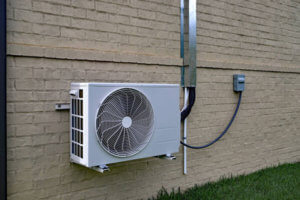
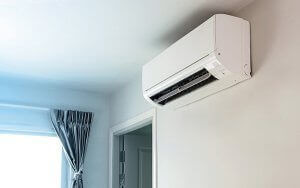
A typical system includes an outdoor unit, one or more indoor air-handling units, and refrigerant lines that connect the components. The indoor units are usually mounted on a wall or ceiling and deliver heated or cooled air directly into the space.
Ductless mini-splits are especially useful for older homes without existing ductwork, room additions, finished basements, garages, and other areas where extending traditional ductwork may be difficult or expensive.
Learn more about the benefits and options available with our ductless heat pump installation and service in St. Louis.
2. How does a ductless mini-split work?
A ductless mini-split works by transferring heat between the inside and outside of your home using refrigerant.
During the cooling season, the indoor unit absorbs heat from the room and transfers it to the outdoor unit, where it is released outside. During the heating season, a ductless heat pump reverses this process, collecting heat from the outdoor air and moving it indoors.
The indoor unit then distributes conditioned air directly into the room. Because the system does not depend on ductwork, it avoids the energy losses that can occur when heated or cooled air travels through leaky or poorly insulated ducts.
For a closer look at the technology, read our guide to ductless mini-split systems.
3. Is a ductless mini-split the same as a heat pump?
A ductless mini-split is a type of heat pump system. Most ductless mini-splits installed for year-round comfort use heat pump technology to provide both heating and air conditioning.
The main difference is how the conditioned air is delivered. A traditional ducted heat pump uses ductwork to distribute air throughout the home, while a ductless mini-split delivers heated or cooled air directly through individual indoor units.
Both options can provide efficient heating and cooling. The right choice depends on your home's layout, existing HVAC equipment, and comfort needs.
Visit our Heat Pump Services page to learn more about heat pump options.
4. Can a ductless mini-split provide both heating and air conditioning?
Yes. Most modern ductless mini-split systems are heat pumps that provide both heating and cooling.
In summer, the system removes heat from your home to keep the space comfortable. In winter, it reverses the process to bring heat indoors. This allows one system to provide year-round temperature control.
Some ductless systems are designed primarily for cooling, so it is important to choose equipment that meets your heating and cooling requirements if you want year-round use.
To learn more about how these systems can help, read our article on ductless mini-split heat pumps for hard-to-heat rooms.
5. What is the difference between a single-zone and multi-zone mini-split system?
A single-zone mini-split system has one outdoor unit connected to one indoor air-handling unit. It is designed to heat and cool a specific room or area.
A multi-zone system connects one outdoor unit to multiple indoor units. Each indoor unit serves a separate room or zone, allowing occupants to adjust temperatures independently.
For example, a homeowner might install a multi-zone system to provide separate temperature control in a bedroom, finished basement, and home office.
The number of indoor units a system can support depends on the equipment model and its capacity. A professional evaluation can help determine the best configuration for your home.
Learn more about ductless HVAC zoning.
Benefits and Performance of Ductless Mini-Splits
6. What are the benefits of a ductless mini-split system?
Ductless mini-splits offer several advantages for homeowners, including:
- No ductwork required: Ductless systems can heat and cool spaces without installing or extending traditional air ducts.
- Energy efficiency: These systems avoid energy losses associated with ductwork and use heat pump technology to transfer heat.
- Individual temperature control: Multi-zone systems allow different rooms to maintain different temperatures.
- Flexible installation: Indoor units can be installed in a variety of spaces, including additions, finished basements, and older homes.
- Year-round comfort: Most ductless heat pumps provide both heating and cooling.
- Quiet operation: Indoor units are designed to operate quietly, making them suitable for bedrooms, offices, and living spaces.
Learn more about the benefits of ductless heating and air conditioning systems.
7. Are ductless mini-split systems energy efficient?
Yes. Ductless mini-splits can be highly energy efficient, particularly in homes where installing or extending ductwork would be impractical.
Because they deliver conditioned air directly into individual rooms, they avoid the energy losses that can occur as air travels through ductwork. Many systems also use inverter-driven compressors that adjust their output to match heating and cooling demands rather than constantly cycling on and off at full capacity.
Efficiency varies by equipment, system sizing, installation quality, and how the system is used. Choosing the right system for your home and keeping it properly maintained are important for getting the best performance.
Learn how a ductless mini-split system can increase your home’s efficiency.
8. Can a ductless mini-split heat a home during a Missouri winter?
Yes. Modern ductless heat pumps are designed to provide heating in cold weather, including the winter temperatures common in the St. Louis area.
However, performance varies by model and outdoor temperature. Some systems are specifically designed for colder climates and can maintain heating capacity at lower outdoor temperatures than standard models.
The right equipment must be selected for your home's heating requirements. Factors such as insulation, room size, windows, and the number of indoor units all influence how well a system will perform.
If you are comparing heating options, learn more about heat pump performance in Missouri.
9. Can a ductless mini-split cool an entire house?
Yes, a properly designed multi-zone ductless system can provide heating and cooling throughout an entire home.
The system needs enough capacity and appropriately placed indoor units to serve the home's different rooms and living areas. A single indoor unit generally will not provide consistent comfort throughout a large home with multiple separated rooms.
In some situations, a ductless system works best as a supplement to an existing central HVAC system. For example, it can provide additional cooling in an upstairs bedroom or heating and cooling in a finished basement without requiring changes to the home's existing ductwork.
10. Can a ductless mini-split help with hot and cold spots in my home?
Yes. Ductless mini-splits can help improve comfort in rooms that are consistently warmer or cooler than the rest of the house.
Because each indoor unit conditions its own area, homeowners can adjust temperatures in individual zones rather than relying entirely on a central thermostat. This can be especially helpful for upstairs bedrooms, sunrooms, additions, finished basements, and rooms located far from the main HVAC equipment.
However, persistent hot and cold spots can sometimes indicate other problems, such as inadequate insulation, air leaks, or issues with the existing HVAC system. A professional assessment can help determine whether a ductless unit is the best solution.
11. Are ductless mini-splits noisy?
Ductless mini-split systems are generally quiet, especially compared with some traditional heating and cooling equipment.
The indoor air-handling units are designed to operate at relatively low sound levels. The outdoor unit does produce operating noise, but it is typically installed outside the home and away from primary living areas when possible.
Unusual buzzing, rattling, grinding, or other unexpected sounds may indicate a mechanical issue or a component that needs attention. If your system becomes noticeably louder than usual, schedule a professional inspection.
Ductless Mini-Split Installation and Cost
12. How much does it cost to install a ductless mini-split system?
The cost of ductless mini-split installation depends on several factors, including:
- The size and capacity of the system
- Whether you need a single-zone or multi-zone system
- The number of indoor units required
- The layout and accessibility of your home
- Electrical requirements and any necessary upgrades
- The complexity of running refrigerant lines and installing equipment
- The efficiency rating and features of the selected system
A single-zone system will generally cost less to install than a multi-zone system serving several rooms. However, the total investment should be considered in relation to the comfort, efficiency, and long-term operating costs the system can provide.
The best way to determine your project cost is to have an HVAC professional evaluate your home and recommend an appropriately sized system.
Check out our mini-split air conditioner installation guide to learn more pros, cons, and costs.
13. How long does ductless mini-split installation take?
Many single-zone ductless mini-split installations can be completed in one day. Multi-zone installations may take longer, depending on the number of indoor units, equipment placement, electrical requirements, and the complexity of the project.
The installation process generally includes mounting the indoor unit, placing the outdoor equipment, connecting refrigerant lines and electrical components, and testing the system.
Proper installation is important for system efficiency, reliable operation, and equipment longevity.
14. Where can indoor mini-split units be installed?
Indoor mini-split units can be installed in many areas of a home, including:
- Bedrooms and living rooms
- Finished basements
- Home offices
- Sunrooms and enclosed porches
- Room additions
- Garages and workshops
Wall-mounted units are common, but some systems offer ceiling-mounted or other configurations.
Placement matters. Indoor units need adequate clearance for airflow and should be positioned to distribute conditioned air effectively throughout the intended space. Outdoor equipment also needs an appropriate location with sufficient clearance for airflow and service access.
An experienced HVAC professional can help determine the best placement for each unit.
Learn more about ductless mini-split sizing and installation in different rooms throughout your home.
15. Can I install a ductless mini-split myself?
Professional installation is strongly recommended for ductless mini-split systems.
Although some components may appear straightforward to mount, installation involves refrigerant lines, electrical connections, condensate drainage, system evacuation, and performance testing. These steps require specialized tools and training.
Improper installation can lead to refrigerant leaks, drainage problems, poor performance, equipment damage, and potential safety concerns. It may also affect manufacturer warranty coverage.
Working with an experienced HVAC contractor helps ensure the system is properly sized, installed, and tested. Galmiche & Sons provides professional ductless heat pump installation and service throughout the St. Louis area.
Ductless Mini-Split Maintenance and Repairs
16. How often should a ductless mini-split system be serviced?
Most ductless mini-split systems should receive professional maintenance at least once a year. Systems used heavily for both heating and cooling may benefit from service before each major heating and cooling season.
Routine maintenance helps keep the system operating efficiently, identifies potential problems, and reduces the risk of unexpected breakdowns.
During a professional maintenance visit, a technician can inspect the system, check its operation, clean important components, and identify issues that may affect performance.
Learn more about the importance of routine service on our Heat Pump Maintenance page.
17. How often should I clean the filters in my ductless mini-split?
Ductless mini-split filters should generally be checked and cleaned every few weeks, depending on how often the system runs, the manufacturer's recommendations, and conditions inside your home.
Dust, pet hair, and other particles can collect on the filters and restrict airflow. Dirty filters can make the system work harder, reduce efficiency, and affect indoor comfort.
Many ductless indoor units have reusable filters that homeowners can remove and clean. Always follow the manufacturer's instructions for removing, washing, drying, and reinstalling the filters.
Filter cleaning is an important part of routine care, but it does not replace professional maintenance.
18. What maintenance does a ductless mini-split system need?
Ductless mini-splits need regular attention to keep their components clean and operating properly.
Homeowners can help maintain their systems by:
- Checking and cleaning reusable indoor filters as recommended.
- Keeping the indoor unit's air intake and discharge areas clear.
- Keeping the outdoor unit free of leaves, grass clippings, and other debris.
- Making sure the condensate drain is not visibly obstructed.
- Watching for unusual noises, odors, leaks, or changes in performance.
Professional maintenance should also include an inspection of system components, coils, electrical connections, refrigerant-related operation, drainage, and overall performance.
For more guidance, see our complete HVAC system maintenance checklist.
19. Why is my ductless mini-split not heating or cooling properly?
Several problems can prevent a ductless mini-split from providing the expected level of heating or cooling.
Common causes include:
- Dirty air filters restricting airflow
- Blocked indoor or outdoor units
- Incorrect thermostat or remote-control settings
- Refrigerant leaks or other refrigerant-related issues
- Electrical or control problems
- Dirty coils or drainage issues
- A system that is not properly sized for the space
Start by checking the system settings, cleaning the filters if needed, and making sure the indoor and outdoor units have adequate clearance.
If the system continues to struggle, turns off unexpectedly, or cannot maintain the desired temperature, contact an HVAC professional. Refrigerant, electrical, and mechanical problems should be diagnosed and repaired by a qualified technician.
Galmiche & Sons provides heat pump repair services to help restore dependable heating and cooling.
20. Why is my ductless mini-split leaking water?
Water leaking from an indoor mini-split unit can indicate a problem with its condensate drainage system.
As the system cools your home, moisture collects on the indoor coil and drains away through a condensate line. If the drain becomes clogged, disconnected, or damaged, water may back up and leak from the indoor unit.
Other possible causes include a dirty coil, improper installation, or a frozen indoor coil that produces excess water when it thaws.
Turn off the system if water is leaking into your home, and arrange for a professional inspection. Addressing the problem promptly can help prevent water damage and additional equipment issues.
21. How long does a ductless mini-split system last?
A well-maintained ductless mini-split system can often last around 15 to 20 years, although actual equipment life varies.
Factors that influence lifespan include:
- Equipment quality and installation
- How frequently the system operates
- Local weather and operating conditions
- Routine filter cleaning and professional maintenance
- Whether repairs are addressed promptly
Regular maintenance can help extend equipment life and maintain reliable performance. If your system is older, requires frequent repairs, or no longer heats and cools effectively, it may be time to compare repair and replacement options.
Choosing and Replacing a Ductless Mini-Split System
22. How do I know what size ductless mini-split I need?
The right mini-split size depends on the room or area being heated and cooled, not simply its square footage.
An HVAC professional should consider several factors, including:
- Room dimensions and ceiling height
- Insulation levels and air leakage
- Window size, type, and placement
- Sun exposure
- The number of people who regularly use the space
- The home's layout and intended use of each zone
Choosing a system that is too small may leave the space uncomfortable during extreme temperatures. An oversized system may cycle improperly and fail to provide consistent comfort or humidity control.
A professional load calculation helps determine the appropriate capacity and equipment configuration for your home.
Learn more about ductless mini-split sizing.
23. Should I repair or replace my ductless mini-split?
Whether to repair or replace a ductless mini-split depends on the system's age, condition, repair history, and the cost of the necessary work.
A repair may make sense when the system is relatively new and the problem is limited to a minor component. Replacement may be worth considering when the equipment is nearing the end of its expected lifespan, requires frequent repairs, has a major component failure, or no longer provides reliable comfort.
You should also consider whether a newer system could offer meaningful improvements in energy efficiency, temperature control, and performance.
A qualified HVAC technician can inspect your existing system and explain your options. Galmiche & Sons offers heat pump replacement services for homeowners considering an equipment upgrade. Or learn more about heat pump repair vs. replacement.
Get Answers to Your Ductless Mini-Split Questions from Galmiche & Sons
Choosing the right ductless mini-split system can make a meaningful difference in your home's comfort and energy efficiency. Whether you need a solution for one difficult-to-heat room, a new addition, or multiple areas throughout your home, understanding your options is an important first step.
At Galmiche & Sons, we help homeowners throughout the St. Louis area find heating and cooling solutions that fit their homes and needs. Our experienced team can evaluate your space, explain your options, and help you determine whether a ductless mini-split is the right choice.
Have questions about ductless heating and cooling, or are you ready to explore installation options? Contact Galmiche & Sons today at 314-993-1110 or request service online. We are here to help you enjoy dependable comfort throughout the year.
Explore More HVAC FAQs
Have additional questions about your home's heating and cooling system? Visit our other HVAC FAQs page for more helpful information and answers.


Read our Reviews: