
Regular maintenance helps your heat pump operate efficiently, maintain comfortable temperatures, and avoid unnecessary wear. While some maintenance tasks require a trained HVAC professional, there are several things St. Louis homeowners can safely do themselves.
DIY heat pump maintenance is primarily about keeping the system clean, maintaining good airflow, monitoring performance, and noticing potential problems early. Simple steps such as changing the air filter, keeping the outdoor unit clear, and checking your vents can make a meaningful difference.
However, it is important to know where homeowner maintenance ends and professional HVAC service begins. Heat pumps contain electrical components, refrigerant, and other equipment that should be inspected or serviced by a qualified technician.
To learn more or schedule professional heat pump maintenance in St. Louis, contact our team today.
What Can Homeowners Do for Heat Pump Maintenance?
You do not need specialized tools or HVAC training to handle several basic heat pump maintenance tasks. Making these checks part of your regular home-care routine can help you catch problems before they become more expensive repairs.
1. Change the Air Filter Regularly
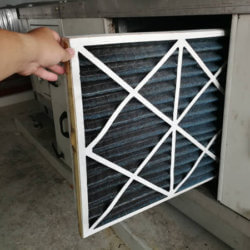
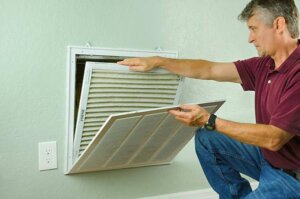
One of the easiest and most important DIY heat pump maintenance tasks is replacing the air filter.
A dirty filter restricts airflow, which can make your heat pump work harder to heat and cool your home. Reduced airflow can contribute to poor comfort, longer run times, and unnecessary strain on the system.
How frequently you should change the filter depends on the type of filter, your household, and how heavily the system operates. Homes with pets, allergies, children, or higher levels of dust may require more frequent filter changes.
Check the filter regularly and replace it according to the manufacturer’s recommendations or when it becomes visibly dirty.
2. Keep the Outdoor Unit Clear
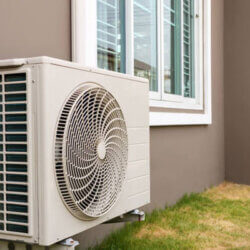
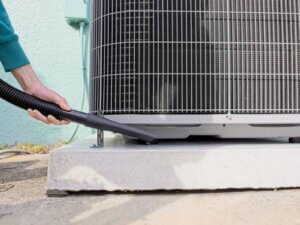
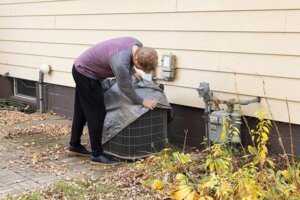
Your heat pump’s outdoor unit needs adequate airflow to operate properly. Leaves, grass clippings, branches, dirt, and other debris can accumulate around the unit and interfere with airflow.
Periodically inspect the area around your outdoor heat pump. Remove leaves and other loose debris, and keep plants and landscaping from crowding the equipment.
Avoid opening the unit or attempting to clean internal components yourself. If the outdoor coil appears heavily dirty or obstructed, a professional heat pump tune-up can provide a more thorough inspection and cleaning.
3. Check Your Indoor Vents
Walk through your home and make sure supply vents and return grilles are open and unobstructed.
Furniture, rugs, curtains, boxes, and other household items can accidentally block airflow. Restricted airflow can make some rooms uncomfortable and force your system to operate longer.
If you notice persistent differences in temperature between rooms even after checking the vents and filter, there may be an underlying airflow or HVAC issue that requires professional attention.
4. Monitor Your Thermostat
Your thermostat controls when your heat pump operates, so pay attention to how it behaves.
Make sure the thermostat is set to the desired mode and temperature. If you have a programmable or smart thermostat, check that the schedule is operating as intended.
Unexpected temperature changes, frequent cycling, or a heat pump that does not respond properly to thermostat settings can indicate a problem.
If replacing batteries or checking the settings does not resolve the issue, contact an HVAC professional rather than repeatedly adjusting the thermostat.
Learn more thermostat tips from our HVAC professionals.
Pay Attention to Changes in Heat Pump Performance
DIY maintenance is not just about cleaning and replacing filters. Knowing what normal operation looks and sounds like can help you identify problems early.
St. Louis homeowners should pay attention to changes such as:
- Unusual or increasingly loud noises
- Weak airflow from vents
- Rooms that are no longer maintaining comfortable temperatures
- The system running much longer than usual
- Unexpected increases in energy use
- Frequent starting and stopping
- Ice or excessive frost on the outdoor unit
- Water around areas where it has not appeared previously
- The heat pump blowing air that does not match the selected operating mode
These symptoms do not necessarily mean your heat pump has a major problem. However, they are good reasons to have the system evaluated.
Our heat pump repair services can help diagnose problems that go beyond routine homeowner maintenance.
What Heat Pump Maintenance Should You Leave to a Professional?
Knowing what not to do is just as important as knowing what you can safely handle yourself.
Homeowners should not attempt to work on electrical components, handle refrigerant, disassemble the heat pump, adjust refrigerant levels, or repair internal mechanical components without the appropriate training and equipment.
Professional HVAC maintenance can include inspections and performance checks that go well beyond basic DIY tasks.
A qualified technician can evaluate components such as:
- Electrical connections and controls
- Refrigerant-related components
- Indoor and outdoor coils
- Blower and airflow performance
- Safety controls
- System operating pressures and temperatures
- Overall heating and cooling performance
Attempting these tasks without proper training can create safety risks and potentially damage expensive equipment.
DIY Maintenance vs. Professional Service
It can be helpful to think of homeowner maintenance and professional maintenance as two parts of the same strategy.
- Homeowner maintenance: Filter changes, keeping vents clear, removing debris around the outdoor unit, checking thermostat settings, and monitoring system performance.
- Professional maintenance: Detailed inspections, testing, cleaning of components that require specialized equipment, electrical checks, performance measurements, and identifying developing mechanical or refrigerant-related problems.
Doing your part at home does not eliminate the need for professional service. Instead, the two approaches work together.
For guidance on professional service intervals, see our article on how often a heat pump should be serviced.
A Simple DIY Heat Pump Maintenance Routine
A few minutes of regular attention can help you stay ahead of basic maintenance.
- Monthly: Check the air filter, inspect vents and returns, and make sure the outdoor unit has adequate clearance.
- Seasonally: Look over the outdoor equipment for debris and monitor how well your heat pump is heating and cooling your home.
- Before heavy seasonal use: Schedule professional maintenance so your system can be inspected before the demands of St. Louis summer or winter weather arrive.
For a more comprehensive maintenance reference, our heat pump maintenance checklist can help you keep track of important tasks.
Frequently Asked Questions About DIY Heat Pump Maintenance
You can safely remove loose debris from around the outdoor unit and keep the surrounding area clear. More thorough cleaning of coils and internal components is generally best left to an HVAC professional, particularly if it requires opening the equipment.
There is no single schedule that works for every household. Follow the filter manufacturer’s recommendations and inspect the filter regularly. Homes with pets, allergies, children, or significant dust may need more frequent changes.
No. Refrigerant service should be performed by a qualified HVAC professional with the appropriate tools and training. If you suspect a refrigerant problem, schedule professional service rather than attempting to correct it yourself.
No. Homeowner maintenance helps support good airflow and system operation, but it does not replace a professional inspection and tune-up. Professional service can identify problems that are not visible during routine household maintenance.
Keep Your Heat Pump Running Smoothly
A little DIY maintenance can go a long way toward supporting the performance of your heat pump. Replacing filters, keeping airflow paths clear, protecting the outdoor unit from debris, and watching for changes in system performance are all practical steps St. Louis homeowners can take.
But you do not have to diagnose or repair HVAC problems yourself. When maintenance goes beyond basic homeowner tasks, professional service can help protect your equipment and your comfort.
Galmiche & Sons has been helping St. Louis-area homeowners with dependable heating and cooling services for generations. If your heat pump needs professional maintenance, you have noticed a change in performance, or you simply want expert guidance on caring for your system, our team is ready to help.
Contact Galmiche & Sons today to learn more about heat pump maintenance or schedule professional HVAC service in St. Louis and the surrounding area.