
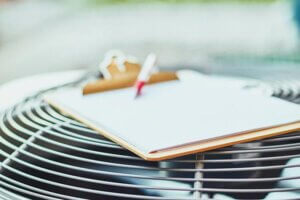
Regular maintenance is one of the best ways to help your heat pump operate reliably and efficiently throughout the year. Because a heat pump provides both heating and cooling, it works through every season to keep your St. Louis home comfortable. Routine attention can help you spot developing problems, maintain good airflow, and potentially reduce unnecessary wear on your equipment.
This heat pump maintenance checklist provides a practical reference for homeowners. Some maintenance tasks are simple enough to handle yourself, while others should be performed by a qualified HVAC professional.
Schedule your heat pump maintenance today or contact our team to learn more.
Your Heat Pump Maintenance Checklist
Use this checklist throughout the year to keep an eye on the condition and performance of your heat pump.
1. Check and Replace the Air Filter
A dirty filter can restrict airflow and make your heat pump work harder than necessary. Check your filter regularly and replace or clean it according to the manufacturer’s recommendations.
How often you need to change the filter depends on the type of filter, household conditions, pets, indoor air quality concerns, and how frequently the system operates.
A good rule is to check the filter regularly rather than waiting until you notice a comfort problem.
2. Keep the Outdoor Unit Clear
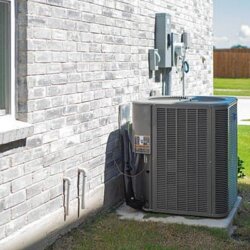
Inspect the area surrounding your outdoor heat pump unit. Remove leaves, grass clippings, branches, weeds, and other debris that could restrict airflow.
Maintain adequate clearance around the unit so air can move freely. Landscaping should not crowd the equipment, and objects should not be placed directly against the unit.
This is particularly important in St. Louis, where seasonal leaves, storms, pollen, and summer vegetation can accumulate around outdoor HVAC equipment.
3. Inspect the Outdoor Unit
While checking the area around your heat pump, look for obvious signs of damage or unusual conditions.
Watch for:
- Bent or damaged components
- Excessive dirt or debris
- Ice buildup
- Water pooling around the equipment
- Unusual noises
- Visible refrigerant leaks or oily residue
Do not attempt to repair electrical, refrigerant, or mechanical components yourself. If something looks unusual, turn to a qualified HVAC professional for an evaluation.
4. Check Airflow from Your Vents
Walk through your home and check the airflow from your supply vents. Air should be moving consistently when the heat pump is operating.
Weak airflow can have several possible causes, including a dirty filter, blocked vents, ductwork problems, blower issues, or other equipment concerns.
Make sure furniture, rugs, curtains, and other household items are not blocking supply or return vents.
5. Keep Supply and Return Vents Open
Your heat pump relies on proper airflow throughout the home. Closing vents in unused rooms can disrupt the system’s intended airflow and may contribute to comfort and performance problems.
Keep supply and return vents clear and open unless your HVAC professional has recommended otherwise.
If you consistently experience uneven temperatures, a professional evaluation can help determine whether airflow, ductwork, equipment sizing, or another issue is responsible.
6. Check Your Thermostat
Make sure your thermostat is functioning properly and maintaining the temperatures you expect.
If you have a programmable or smart thermostat, review your schedule periodically to make sure the settings still match your household routine.
Avoid making extreme thermostat adjustments in an attempt to heat or cool your home faster. A heat pump operates differently from some traditional heating systems, and maintaining reasonable temperature settings can help support efficient operation.
7. Pay Attention to System Performance
Your heat pump can provide useful warning signs when something is beginning to go wrong.
As part of your regular maintenance routine, pay attention to changes such as:
- Longer heating or cooling cycles
- Increasing energy bills
- Uneven indoor temperatures
- Frequent system cycling
- Reduced airflow
- Unusual smells
- Strange noises
- Difficulty reaching the thermostat setting
A change in performance does not automatically mean your heat pump needs to be replaced. Sometimes a relatively simple repair or maintenance issue is responsible.
If your system is showing signs of trouble, our Heat Pump Repair services can help identify and address the problem.
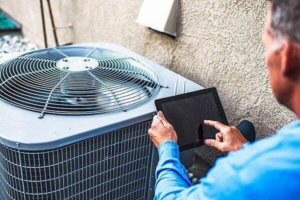
Seasonal Heat Pump Maintenance Requirements
Because heat pumps provide both heating and cooling, they need attention throughout the year.
Before Summer Check Up
Before St. Louis temperatures climb, check the air filter, clear debris from the outdoor unit, inspect airflow, and make sure the thermostat is operating properly.
If your system struggled during the previous cooling season, consider having it professionally evaluated before the hottest weather arrives.
Before Winter Check Up
Before switching into the heating season, repeat the basic checklist. Make sure the outdoor unit is clear, airflow is adequate, and your system is operating normally.
St. Louis winters can bring freezing temperatures, so addressing unusual noises, performance problems, or other warning signs before cold weather arrives can help reduce the risk of an unexpected breakdown.
For more seasonal guidance, see our Seasonal Heat Pump Maintenance Guide.
What Homeowners Should Not Try to Do
Routine homeowner maintenance is helpful, but there are important limits to DIY heat pump maintenance.
Do not attempt to open electrical panels, handle refrigerant, repair wiring, disassemble major components, or make other technical repairs unless you have the appropriate training and qualifications.
Heat pumps contain electrical and mechanical components that can be dangerous to work on without proper knowledge and equipment. Refrigerant systems also require specialized tools and expertise.
When something goes beyond basic homeowner maintenance, contact a qualified HVAC professional.
Schedule Professional Heat Pump Maintenance
A homeowner checklist is useful, but it does not replace professional maintenance.
An HVAC technician can inspect components that are not accessible during routine homeowner checks and identify problems that may not be obvious from outside the system.
Professional maintenance can include a more comprehensive evaluation of system operation, electrical components, airflow, controls, refrigerant-related components, and other equipment-specific items.
Our Professional Heat Pump Tune-Ups page explains what professional service involves and why routine HVAC maintenance is different from the basic tasks homeowners can perform themselves.
If you are wondering how often your system should receive professional attention, see our guide on How Often your Heat Pumps Should Be Serviced.
How Often Should You Use a Heat Pump Maintenance Checklist?
It is a good idea to make basic heat pump checks part of your regular household routine rather than waiting until a problem develops.
Check the filter according to its recommended replacement schedule and periodically inspect the outdoor unit and surrounding area. Pay attention to system performance throughout both the heating and cooling seasons.
Professional maintenance should also be scheduled according to the needs of your equipment and your HVAC professional’s recommendations.
Regular attention is particularly valuable for older systems, heavily used equipment, homes with pets, and systems that have experienced previous performance problems.
Frequently Asked Questions
Basic maintenance includes checking and replacing the air filter, keeping the outdoor unit clear, maintaining good airflow, keeping vents unobstructed, checking thermostat operation, and watching for changes in system performance. Professional HVAC maintenance is also recommended for a more thorough inspection.
The appropriate schedule depends on the filter type and conditions in your home. Check the manufacturer’s recommendations and inspect the filter regularly. Homes with pets, dust, or other conditions that increase airborne particles may require more frequent filter changes.
Generally, a heat pump’s outdoor unit is designed to remain outdoors and operate during winter. Do not cover the unit while it is operating, because restricting airflow can interfere with proper operation. Keep the area around the equipment clear instead.
Some frost can occur during normal winter operation, and many heat pumps automatically enter a defrost cycle. However, significant or persistent ice buildup can indicate a problem. Do not attempt to chip ice away from the equipment. Contact an HVAC professional for an evaluation. Learn more about troubleshooting a frozen heat pump.
Regular maintenance can help identify developing issues and address conditions that contribute to equipment problems. It cannot prevent every repair, but proactive maintenance can help support reliable operation and potentially catch smaller problems before they become more serious. Learn more in our article Can Heat Pump Maintenance Prevent Repairs?
For many homeowners, regular maintenance is a worthwhile investment in equipment reliability, efficiency, and long-term performance. Keeping a heat pump properly maintained can also help you identify developing problems before they lead to an unexpected loss of heating or cooling.
Keep Your St. Louis Heat Pump Ready for Every Season
Your heat pump works hard to keep your home comfortable through St. Louis summers and winters. A few simple maintenance habits can help you stay aware of your system’s condition and address potential problems before they become larger concerns.
Galmiche & Sons can help with both routine heat pump maintenance and the professional HVAC service your system needs throughout its life. If you notice declining performance, unusual noises, airflow problems, or other warning signs, don’t wait for a complete breakdown.
Contact Galmiche & Sons today to learn more about heat pump maintenance or schedule professional HVAC service for your St. Louis-area home.