
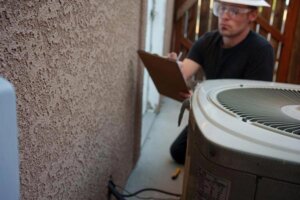
Regular professional maintenance is one of the best ways to keep a heat pump operating efficiently, reliably, and comfortably throughout the year. But how often should a heat pump be serviced? For most homeowners, scheduling professional heat pump maintenance twice a year is a good rule of thumb: once in the spring before the cooling season and again in the fall before the heating season.
Because a heat pump provides both heating and cooling, it operates throughout much of the year. That makes regular service especially important compared with equipment that is used primarily during one season.
However, the ideal heat pump service schedule can vary depending on the age of your system, how heavily it is used, its condition, and the environment around your home. A professional HVAC technician can help determine the right maintenance frequency for your particular system.
To learn more or schedule heat pump maintenance in St. Louis, contact our team today.
How Often Should Heat Pumps Be Serviced?
For most heat pump systems, professional maintenance twice a year is recommended. Ideally, homeowners should schedule service in the spring and fall so the system can be inspected and prepared for the upcoming season.
A spring tune-up focuses on preparing the heat pump for the demands of summer cooling. A fall service appointment helps ensure the system is ready to provide dependable heating during colder weather.
This seasonal approach is particularly useful in the St. Louis area, where homeowners can experience significant temperature swings throughout the year. Your heat pump may need to transition from cooling your home during hot, humid Missouri summers to heating it during cold winter weather.
Regular service gives a technician an opportunity to identify developing problems before they become major repairs.
Why Heat Pumps Benefit From Twice-Yearly Service
Unlike a traditional air conditioner or furnace that typically operates during one primary season, a heat pump can run year-round. During the summer, it moves heat out of your home to provide cooling. During the winter, it reverses operation to move heat into your home.
That means the system’s components experience frequent operation and wear.
Routine maintenance can help:
- Keep the system operating efficiently
- Identify worn or failing components
- Maintain proper airflow
- Check refrigerant levels and system performance
- Keep electrical connections and controls operating properly
- Reduce the likelihood of unexpected breakdowns
- Help extend the useful life of the equipment
- Maintain more consistent indoor comfort
Does Every Heat Pump Need Service Twice a Year?
Twice-yearly service is a useful general recommendation, but not every system has exactly the same maintenance needs.
Some heat pumps may require more frequent attention based on how they are used and the conditions in which they operate.
Older Heat Pumps May Need More Frequent Attention
As a heat pump ages, components naturally experience more wear. Older systems may benefit from closer monitoring because small problems can become more frequent or costly over time.
If your heat pump is several years old or has a history of repairs, your HVAC professional may recommend a maintenance schedule tailored to its condition.
Regular inspections can also help you make more informed decisions about whether continued repairs make sense or whether replacement should eventually be considered.
Homes with Heavy Heat Pump Usage
A heat pump that operates extensively throughout the year may accumulate more operating hours than a system used only occasionally.
If your heat pump is your home’s primary source of heating and cooling, regular seasonal maintenance becomes especially important.
Environmental and Operating Conditions Matter
Dust, dirt, pollen, moisture, and other environmental conditions can affect HVAC performance. Homes with pets, high dust levels, or other factors that contribute to restricted airflow may require more frequent filter changes and additional attention.
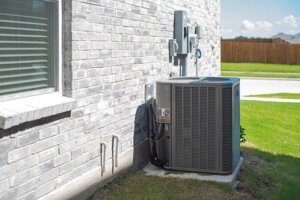
Outdoor conditions can also affect the heat pump. Leaves, grass clippings, dirt, and debris around the outdoor unit can restrict airflow and interfere with proper operation.
These factors are another reason a professional can be helpful when determining how often your particular heat pump should be serviced.
What Happens During Heat Pump Maintenance Service?
A professional heat pump tune-up is more than simply changing a filter. A qualified HVAC technician can inspect the system, check its operation, and identify potential issues that may affect performance or reliability.
Depending on the equipment and service performed, maintenance may include checking:
- Electrical connections and components
- Thermostat operation
- Airflow and filters
- Indoor and outdoor coils
- Refrigerant levels and system performance
- Blower operation
- Safety controls
- Ductwork and other accessible components
- Outdoor unit condition
- Overall heating and cooling performance
If you’re wondering what should be included in professional service, learn more about what our professional heat pump tune-up includes.
Don’t Wait Until Your Heat Pump Stops Working
One of the biggest mistakes homeowners can make is treating HVAC maintenance as something to schedule only after a problem develops.
Maintenance is preventative. The goal is to identify and address developing issues before they result in an uncomfortable home, an emergency service call, or an expensive repair.
For example, unusual noises, reduced airflow, uneven temperatures, longer run times, or rising energy bills may indicate that your heat pump is not operating as efficiently as it should.
If you notice a problem between scheduled maintenance visits, don’t necessarily wait for the next appointment. Heat pump repair may be needed to prevent a relatively minor issue from becoming more serious.
When Is the Best Time to Schedule Heat Pump Maintenance?
The best time to schedule maintenance is before your heat pump enters a season of heavy use.
For many St. Louis homeowners, that means:
- Spring: Have the system inspected before the hot summer cooling season begins.
- Fall: Schedule another service visit before the system needs to provide regular heating.
Scheduling ahead can also make it easier to get an appointment when HVAC companies are less busy. Waiting until the first extremely hot or cold day can make it more difficult to get prompt service if your system needs attention.
A Simple Heat Pump Maintenance Schedule for St. Louis Homeowners
A basic annual schedule can look like this:
- Spring: Schedule professional maintenance before summer. Replace or inspect the air filter as appropriate, make sure the outdoor unit has adequate airflow, and have the system checked for cooling performance.
- Summer: Pay attention to changes in performance. If the system struggles to maintain your desired temperature, runs constantly, freezes, or makes unusual sounds, schedule service rather than ignoring the warning signs.
- Fall: Have the heat pump serviced before the heating season. This gives your technician an opportunity to check system operation and identify issues before colder temperatures arrive.
- Winter: Monitor heating performance and keep the area around the outdoor unit clear of debris. If the system develops a significant problem, schedule heat pump repair rather than continuing to operate a malfunctioning system.
For a more detailed list of homeowner maintenance tasks, see our Heat Pump Maintenance Checklist.
Frequently Asked Questions About Heat Pump Service
Most heat pumps should receive professional maintenance twice a year, generally once in the spring and once in the fall. Systems that are older, heavily used, or experiencing recurring problems may need additional attention.
Homeowners can perform simple maintenance tasks such as replacing air filters and keeping the outdoor unit clear of leaves and debris. However, professional maintenance involves inspecting electrical components, system performance, refrigerant-related components, and other parts that require HVAC knowledge and appropriate tools. Learn more about DIY heat pump maintenance.
Skipping maintenance can contribute to reduced efficiency, poor comfort, increased wear, unexpected repairs, and potentially a shorter equipment life. Preventive maintenance helps identify developing problems before they become larger issues.
Yes. A heat pump can appear to be working normally while developing problems that affect efficiency or reliability. Routine professional service provides an opportunity to identify these issues before they cause a breakdown.
Yes. Fall is an excellent time to schedule heat pump maintenance in St. Louis. Having the system checked before cold weather arrives can help ensure it is ready for the demands of the heating season.
Keep Your Heat Pump Ready for Every Season
Knowing how often a heat pump should be serviced is an important part of protecting your HVAC investment. For most homeowners, twice-yearly professional maintenance provides a practical schedule for keeping a heat pump ready for both heating and cooling.
Galmiche & Sons has served St. Louis-area homeowners with dependable HVAC services for generations. Our experienced team can help you establish an appropriate maintenance schedule, identify potential problems, and keep your heat pump performing reliably throughout the year.
Need heat pump maintenance in St. Louis? Contact Galmiche & Sons to learn more about our heat pump maintenance services or schedule professional service for your home.