
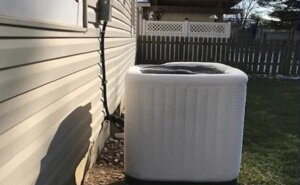
Seeing ice on your heat pump can be alarming, especially if it is affecting your home’s comfort. While a small amount of frost on the outdoor unit during cold weather is normal, a frozen heat pump that remains covered in ice or stops heating and cooling properly is a sign that something needs attention.
A heat pump that is freezing up can lose efficiency, struggle to maintain comfortable indoor temperatures, and suffer damage if the underlying issue is not corrected. Fortunately, many frozen heat pump problems can be identified early with the right troubleshooting steps.
At Galmiche & Sons, we help homeowners throughout the St. Louis area diagnose and repair frozen heat pumps quickly to restore dependable, energy-efficient performance. Read on to learn more or contact our team for heat pump repair services in St. Louis.
Is a Frozen Heat Pump Ever Normal?
Yes, under certain conditions.
During cold, humid weather, frost can naturally form on the outdoor coil as your heat pump extracts heat from the outside air. To remove this frost, your system periodically enters a defrost cycle that melts the ice before it can build up.
If the frost disappears after a few minutes, your system is operating normally.
However, if your heat pump is freezing up, blowing cold air, and remains covered in thick ice or snow, professional service may be needed.
Common Causes of a Frozen Heat Pump
Several issues can cause excessive ice buildup on either the indoor or outdoor unit.
Restricted Airflow
Poor airflow is one of the leading causes of a frozen heat pump.
When airflow is restricted, the system cannot transfer heat efficiently, allowing moisture on the coils to freeze.
Common airflow problems include:
- Dirty air filters
- Blocked supply or return vents
- Dirty indoor coils
- Obstructed outdoor unit
- Blower motor issues
Replacing your air filter regularly and keeping vents open can help prevent many airflow-related problems.
Routine Heat Pump Maintenance also helps identify airflow issues before they lead to frozen coils.
Refrigerant Leaks
Low refrigerant levels reduce the pressure inside the system, causing coil temperatures to drop below freezing.
As moisture freezes on the coils, ice continues to build until the system can no longer operate efficiently.
Signs of low refrigerant may include:
- Weak airflow
- Reduced heating or cooling
- Ice buildup
- Longer operating cycles
- Higher energy bills
Because refrigerant leaks require specialized equipment and EPA-certified handling, they should always be repaired by a qualified HVAC technician.
Learn more about why your heat pump is not heating or cooling properly.
Defrost Cycle Malfunctions
Modern heat pumps automatically remove frost during winter operation through a built-in defrost cycle.
If components involved in this process fail, the ice continues to accumulate instead of melting away.
Possible causes include:
- Faulty defrost control board
- Defective sensors
- Bad reversing valve
- Electrical problems
A malfunctioning defrost system often requires professional Heat Pump Repair to restore normal operation.
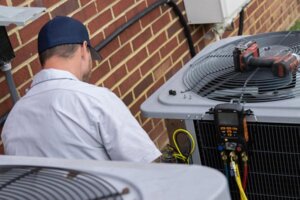
Dirty Outdoor Coil
Leaves, dirt, grass clippings, and other debris can reduce airflow through the outdoor unit.
When airflow is restricted, heat transfer becomes less effective, increasing the likelihood of ice formation.
Homeowners should regularly inspect the outdoor unit and gently remove leaves, branches, or other debris from around the equipment.
Extremely Cold Weather
Although today’s heat pumps are designed to perform efficiently in cold climates, prolonged freezing temperatures can sometimes result in temporary frost accumulation.
Normal frost should disappear during the defrost cycle.
If heavy ice remains after multiple defrost cycles, there is likely another issue affecting your system.
What Should You Do If Your Heat Pump Is Frozen?
If you notice excessive ice buildup, follow these basic troubleshooting steps.
- Check your air filter: Replace a dirty filter if necessary.
- Inspect the outdoor unit: Remove leaves, branches, or snow that may be restricting airflow around the unit.
- Verify your thermostat settings: Confirm the system is operating in the correct heating mode.
- Do not chip away ice: Using sharp tools to remove ice can damage delicate coils and refrigerant lines.
- Schedule professional service: If the ice does not melt naturally or continues returning, it is time for professional diagnosis.
Experiencing other heat pump problems? Learn more about common heat pump problems and how to fix them.
How to Prevent a Frozen Heat Pump
Preventive maintenance is the best defense against frozen heat pump problems.
Professional inspections allow technicians to:
- Clean indoor and outdoor coils
- Check refrigerant levels
- Inspect electrical components
- Test the defrost cycle
- Verify proper airflow
- Identify worn parts before they fail
Regular maintenance helps improve efficiency while reducing the risk of unexpected breakdowns.
If repeated freezing problems occur because of aging equipment, our Heat Pump Replacement services may provide a more reliable long-term solution.
Frequently Asked Questions
A light layer of frost during winter is normal and should disappear during the defrost cycle. Thick ice that remains on the unit is not normal and should be inspected.
No. Rapid temperature changes may damage components. It is safer to allow the defrost cycle to operate or have the system professionally inspected if the ice does not clear.
Schedule Frozen Heat Pump Repair in St. Louis Today
If your frozen heat pump is covered in ice or no longer keeping your home comfortable, do not ignore the problem. Addressing ice buildup early can prevent more extensive damage, improve efficiency, and restore reliable heating and cooling.
At Galmiche & Sons, our experienced technicians provide fast, dependable heat pump repair throughout the St. Louis area. Whether your system needs refrigerant repairs, defrost system service, maintenance, or replacement, we have the expertise to get your heat pump operating properly again.
Contact Galmiche & Sons today to schedule professional heat pump repair in St. Louis and let our team restore your home’s comfort with expert service you can trust.