
A heat pump has an important job in your St. Louis home. It may cool your house through hot, humid Missouri summers, provide heat during cold winter weather, and operate as needed during the changing temperatures of spring and fall. Because your heat pump can work throughout much of the year, seasonal maintenance is an important part of keeping it ready for the demands ahead.
A good seasonal heat pump maintenance routine combines simple homeowner checks with regular professional HVAC service. Before summer, you want to make sure your system is prepared for cooling. Before winter, it should be ready to provide dependable heat. Throughout the year, paying attention to changes in performance can help you identify potential problems early.
The following seasonal guide can help St. Louis homeowners know what to check, when to schedule professional heat pump maintenance service, and when a potential problem requires more than routine maintenance.
Why Seasonal Heat Pump Maintenance Matters in St. Louis
Missouri weather can be demanding on HVAC equipment. St. Louis homeowners experience hot summers, cold winters, changing temperatures, humidity, and periods of rapid weather transitions.
A heat pump must respond to these changing conditions while maintaining comfortable indoor temperatures.
Seasonal maintenance can help you:
- Prepare your system for periods of heavy use
- Support efficient operation
- Maintain consistent indoor comfort
- Identify developing equipment problems
- Reduce the risk of unexpected breakdowns
- Keep airflow unobstructed
- Monitor the condition of your HVAC equipment
Maintenance cannot prevent every possible failure, but proactive care can help you avoid overlooking problems that could affect your system when you need it most.
Spring Heat Pump Maintenance: Prepare for Summer
Spring is an ideal time to shift your attention from heating to cooling. As outdoor temperatures begin to rise, your heat pump will gradually spend more time operating in cooling mode.
Check or Replace the Air Filter
A dirty filter can restrict airflow and make your heat pump work harder. Check the filter regularly and replace it according to the manufacturer’s recommendations.
Homes with pets, children, allergies, or higher levels of dust may require more frequent filter changes.
Clear the Outdoor Unit
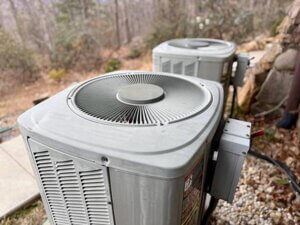
Inspect the area surrounding your outdoor heat pump. Remove leaves, branches, grass clippings, and other loose debris that could interfere with airflow.
Keep landscaping from crowding the equipment, while avoiding the temptation to open the unit or clean internal components yourself.
Check Vents and Returns
Make sure indoor supply vents and return grilles are open and unobstructed. Furniture, curtains, rugs, and other household items can restrict airflow without homeowners realizing it.
If certain rooms remain consistently warmer or cooler than others, the problem may involve more than a blocked vent. Professional HVAC evaluation can help determine the cause.
Schedule Professional Spring Service
A spring heat pump tune-up gives a qualified technician an opportunity to inspect the system before St. Louis enters the hottest part of the cooling season.
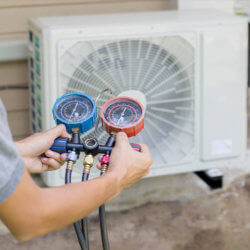
Professional maintenance can go beyond the basic checks homeowners perform themselves. Electrical components, system performance, airflow, coils, controls, and other components can be evaluated as appropriate for your equipment.
For more information, see Professional Heat Pump Tune-Ups: What Is Included?.
Summer Heat Pump Maintenance: Monitor Performance
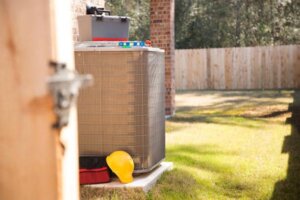
St. Louis summers can put substantial demand on your HVAC system. Even after spring maintenance, continue paying attention to how your heat pump operates.
Watch for Changes in Cooling
Your heat pump should provide consistent cooling appropriate for your home’s needs. If it begins running much longer than usual, struggles to maintain the thermostat setting, or produces noticeably weaker airflow, don’t ignore the change.
Several different problems can cause poor cooling performance. A professional HVAC technician can determine whether the issue is related to airflow, equipment operation, controls, or another component.
Keep the Outdoor Area Clear
Summer landscaping can create new debris around the outdoor unit. Grass clippings, leaves, weeds, and other materials can accumulate quickly.
Check the area periodically and keep the equipment clear.
Don’t Ignore Unusual Sounds
Grinding, rattling, buzzing, or other unfamiliar sounds can indicate that a component needs attention. A new or increasingly loud noise is a good reason to have the equipment evaluated.
If your heat pump stops cooling properly, heat pump repair may be more appropriate than waiting for your next scheduled maintenance appointment.
Fall Heat Pump Maintenance: Get Ready for Winter
Fall is one of the most important times for seasonal heat pump maintenance in St. Louis. As temperatures decline, your heat pump will transition from cooling to heating more frequently.
Check the Filter and Airflow
Start the heating season with a clean, appropriate filter and unobstructed vents and returns.
Good airflow supports system performance and helps distribute conditioned air throughout your home.
Inspect the Outdoor Unit
Continue keeping the outdoor equipment clear of leaves and other debris. Fall foliage can quickly accumulate around the unit, so check it regularly throughout the season.
Schedule Professional Maintenance
Scheduling professional service in the fall allows your HVAC technician to inspect the system before it faces consistent winter heating demands.
This is particularly important if your heat pump is older, has experienced previous problems, or has been operating heavily throughout the year.
For guidance on recommended service intervals, read How Often Should a Heat Pump Be Serviced?
Winter Heat Pump Maintenance: Protect Heating Performance
Cold St. Louis weather can place significant demands on a heat pump. During winter, continue monitoring the system rather than assuming that everything is operating properly because it passed a fall inspection.
Keep the Outdoor Unit Accessible
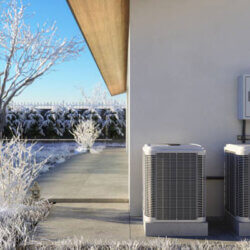
Snow, ice, leaves, and other debris should not be allowed to obstruct the outdoor equipment.
Give the unit adequate space to operate and avoid piling snow or other materials around it.
Understand Normal Defrost Operation
Heat pumps can develop frost on the outdoor coil during cold weather. Systems are designed with defrost cycles that temporarily change operation to remove accumulated frost.
However, heavy or persistent ice buildup is not something homeowners should attempt to fix with tools or by disassembling the equipment.
If your heat pump appears to be excessively iced over or is not heating your home properly, contact an HVAC professional.
Learn more about frozen heat pump troubleshooting.
Monitor Indoor Comfort
Pay attention to changes in heating performance. Persistent cold rooms, unusual cycling, inadequate airflow, or a system that runs continuously without maintaining the desired temperature may indicate a problem.
Addressing an issue early can be preferable to waiting until a complete breakdown occurs.
What Homeowners Can Safely Do Between Professional Visits
Good seasonal heat pump maintenance includes simple tasks homeowners can perform throughout the year.
You can generally:
- Check and replace air filters
- Keep vents and return grilles unobstructed
- Remove loose debris around the outdoor unit
- Keep landscaping from crowding the equipment
- Monitor thermostat operation
- Pay attention to unusual noises
- Watch for changes in heating and cooling performance
These tasks are useful, but they do not replace professional maintenance.
For a closer look at safe homeowner tasks, see our DIY Heat Pump Maintenance Tips.
How Professional Maintenance Fits Into Your Seasonal Routine
Homeowner maintenance and professional HVAC service serve different purposes.
Your routine checks help keep the system’s surroundings clean, maintain airflow, and alert you to changes in performance. Professional service provides a more comprehensive evaluation of the equipment.
During a professional appointment, a technician may inspect electrical components, evaluate airflow, check system operation, inspect accessible components, and perform appropriate performance testing.
The exact work depends on the equipment, its age, condition, and service requirements.
For information about the potential investment, see Heat Pump Maintenance Cost.
A Simple St. Louis Heat Pump Maintenance Calendar
A practical yearly schedule can look like this:
- Spring: Replace or inspect the filter, clear the outdoor unit, check vents, and schedule professional maintenance before summer cooling demand increases.
- Summer: Monitor cooling performance, keep the outdoor area clear, and address unusual sounds or changes in operation promptly.
- Fall: Replace or inspect the filter, check outdoor equipment, and schedule professional service before consistent winter heating begins.
- Winter: Keep the outdoor unit clear, monitor heating performance, and contact an HVAC professional if the system develops persistent problems.
Frequently Asked Questions About Seasonal Heat Pump Maintenance
Spring and fall are generally good times for professional maintenance because they occur before the primary cooling and heating seasons. This allows your system to be evaluated before periods of heavier use.
Many homeowners choose twice-yearly professional service because heat pumps provide both heating and cooling. Your ideal schedule may depend on your equipment, usage, age, condition, and manufacturer’s recommendations.
Homeowners can generally handle tasks such as replacing filters, keeping vents clear, removing loose debris around the outdoor unit, and monitoring system performance. More technical maintenance should be left to a qualified HVAC professional.
Some frost can occur during normal operation, but persistent or heavy ice buildup can indicate a problem. Do not chip away ice or attempt to repair the equipment yourself. Contact an HVAC professional for an evaluation.
Yes. A heat pump can continue operating while developing conditions that affect efficiency or reliability. Preventive service gives a technician an opportunity to identify potential concerns before they become more disruptive.
Keep Your Heat Pump Ready for Missouri’s Changing Seasons
Your heat pump has to adapt to the wide range of weather St. Louis homeowners experience throughout the year. A seasonal approach to maintenance helps you prepare the equipment for changing demands rather than waiting until extreme weather exposes a problem.
Simple homeowner care, combined with regular professional service, can support reliable operation, indoor comfort, and the long-term health of your HVAC system.
Galmiche & Sons has been serving St. Louis-area homeowners with trusted heating and cooling expertise for generations. Our experienced team can help you establish a maintenance routine that makes sense for your heat pump and your home.
Contact Galmiche & Sons today to learn more about seasonal heat pump maintenance or schedule professional HVAC service in St. Louis and the surrounding area.