
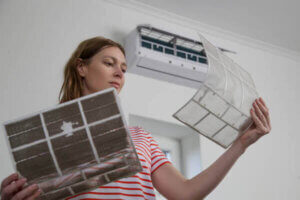
Your heat pump works hard to keep your home comfortable through St. Louis summers and winters. One of the simplest ways to help it operate properly is to replace or clean the air filter regularly. A dirty filter can restrict airflow, reduce comfort, contribute to higher energy use, and put additional strain on your heating and cooling system.
So, how often should you change a heat pump filter? For many homeowners, checking the filter monthly and replacing it every one to three months is a good starting point. However, the right schedule depends on your filter type, household conditions, and how frequently your heat pump runs.
Galmiche & Sons helps St. Louis-area homeowners maintain reliable, efficient home comfort. Understanding when to replace your heat pump filter can help you address a common heat pump maintenance issue before it affects your system’s performance.
How Often to Change a Heat Pump Filter
Most homeowners should inspect their heat pump filter once a month and follow the filter manufacturer’s recommendations for replacement or cleaning. Many standard disposable filters need to be replaced every 30 to 90 days, although some require more frequent attention.
Your ideal replacement schedule may vary based on several factors:
- Every 30 days: Consider monthly replacement if you have pets, household members with allergies, multiple occupants, or a home that collects dust quickly.
- Every 60 days: This may work for some households with moderate heat pump use and average indoor air quality.
- Every 90 days: Some filters can last this long in homes with fewer airborne particles and lighter system use, provided the filter remains clean and the manufacturer allows this interval.
These are general guidelines, not universal rules. A high-efficiency filter, reusable filter, or filter designed for a particular system may have different care requirements.
Why St. Louis Homeowners Should Check Filters Regularly
In the St. Louis area, heat pumps may operate throughout the year as temperatures shift between hot, humid summers and cold winter weather. Spring pollen, summer dust, pet hair, and everyday household debris can accumulate on a filter.
During periods of heavy heating or cooling use, your filter may become dirty sooner than expected. Checking it monthly helps you identify when it needs attention rather than relying only on a calendar reminder.
For more seasonal care recommendations, see our guide to seasonal heat pump maintenance.
What Happens When a Heat Pump Filter Gets Dirty?
Your heat pump needs sufficient airflow to transfer heat effectively. The filter catches airborne particles before they travel farther into the system, but those particles gradually build up on the filter material.
When too much debris accumulates, air has a harder time passing through. Your system may have to work harder to move air, and your home may become less comfortable.
1. Reduced Airflow and Uneven Temperatures
A clogged filter can restrict the amount of conditioned air moving through your home’s ductwork. You may notice weaker airflow from supply vents, rooms that take longer to heat or cool, or temperatures that vary from one area to another.
Before assuming your heat pump has a major problem, check whether the filter is dirty and needs replacement.
2. Higher Energy Use
Restricted airflow can interfere with normal system operation and may increase energy consumption. Replacing a dirty filter with the correct clean filter helps restore airflow when the filter is the cause of the problem.
Filter replacement alone cannot guarantee lower utility bills, since energy use also depends on outdoor temperatures, thermostat settings, insulation, ductwork, and equipment condition.
3. Additional Strain on System Components
A severely restricted filter can contribute to operating problems and, in some circumstances, coil icing or other performance issues. If your heat pump continues to struggle after you replace the filter, professional service may be necessary.
Learn more about the benefits of heat pump maintenance and how routine care can help identify developing problems.
4. More Dust and Reduced Indoor Air Quality
A filter that is overdue for replacement may not perform as intended. Dust buildup around vents or persistent indoor dust can have several causes, but checking your filter is a practical first step.
The right filter can help capture airborne particles. However, a filter must also be compatible with your heat pump and allow the airflow the system requires.
Signs Your Heat Pump Filter Needs Replacing
You do not always need to wait until the end of the recommended replacement interval. Inspect the filter and look for these common warning signs:
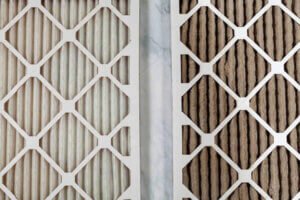
- Visible dust, dirt, or pet hair covering the filter material
- Gray or discolored filter media, particularly when buildup is heavy
- Reduced airflow from your vents
- Longer heating or cooling cycles than usual
- Increasing difficulty maintaining your thermostat setting
- More dust collecting around your home
- A filter that has reached the manufacturer’s recommended replacement date
A dirty appearance is a useful warning, but a filter can become restrictive before it looks completely clogged. Regular inspections are more reliable than waiting for comfort problems to develop.
If your heat pump is making unusual noises, freezing up, or failing to heat or cool properly, do not assume the filter is the only cause. These symptoms may require a professional diagnosis.
Can You Improve Heat Pump Performance by Changing the Filter?
Yes, replacing a dirty filter can improve airflow when filter restriction is contributing to poor performance. It is also an inexpensive, practical step that homeowners can take between professional maintenance visits.
However, a clean filter does not replace a full system inspection. Dirty coils, refrigerant issues, electrical problems, blocked outdoor units, and other faults can also affect heat pump performance.
For more homeowner-friendly guidance, read our DIY heat pump maintenance tips. To understand what a professional service visit can cover, see professional heat pump tune-ups and what is included.
If you replace the filter and still experience weak airflow, unusual sounds, ice buildup, or inconsistent temperatures, contact an HVAC professional rather than continuing to troubleshoot a potentially more serious issue.
Frequently Asked Questions About Heat Pump Filter Replacement
Start by checking it monthly. Many disposable filters need replacement every one to three months, but St. Louis pollen, household dust, pets, and frequent heating or cooling can shorten that interval. Follow the filter and equipment manufacturer’s instructions.
You should not operate your heat pump without the required filter. The filter helps capture airborne particles before they enter the equipment. Running without it can allow dust and debris to accumulate inside the system and potentially contribute to performance problems.
An overdue filter can restrict airflow, reduce comfort, and contribute to increased energy use or operating problems. Check the filter as soon as you remember and replace it if necessary. If the system is still not working properly afterward, schedule a professional evaluation.
Choose a filter that is compatible with your specific equipment. Some high-efficiency filters can create excessive airflow resistance if the system is not designed to accommodate them. Consult your owner’s manual or an HVAC professional before switching to a different filtration rating.
Filter replacement is an important part of routine homeowner maintenance, but it is not a substitute for professional service. A tune-up can include additional inspections and performance checks that homeowners generally cannot complete themselves. Learn more about heat pump maintenance vs. tune-ups.
Keep Your Heat Pump Running Smoothly with Galmiche & Sons
A clean filter is a small part of your home’s heating and cooling system, but keeping it in good condition can make a meaningful difference in airflow, comfort, and reliable operation. By checking your filter monthly, following replacement recommendations, and addressing performance changes early, you can help your heat pump serve your home more effectively.
For help with heat pump maintenance, a professional tune-up, or heating and cooling problems that persist after replacing your filter, turn to Galmiche & Sons. We help homeowners throughout the St. Louis area maintain comfortable homes in every season.
Contact Galmiche & Sons today to learn more about heat pump maintenance or schedule service for your St. Louis-area home.