
Choosing a heat pump for your home starts with understanding the different types available. While all heat pumps transfer heat to provide heating and cooling, they differ in how they collect and distribute heat, how they are installed, and which homes they serve best.
For homeowners in St. Louis and surrounding communities, the right system needs to accommodate hot, humid summers and cold winter weather while meeting your home’s heating and cooling requirements. Whether you are replacing an older HVAC system, upgrading a home without ductwork, or exploring energy-efficient alternatives, comparing the types of heat pumps can help you make a more informed decision.
Galmiche & Sons helps homeowners explore heating and cooling options suited to their homes. This guide explains the most common residential heat pump systems, their typical applications, and the factors to consider before choosing one.
To learn more about choosing the best heat pump, check out our heat pump buyers guide or contact our team today.
What Are the Main Types of Heat Pumps?
The main types of residential heat pumps include air-source heat pumps, ductless mini-split systems, geothermal heat pumps, and dual-fuel systems. These categories are not entirely separate. For example, a ductless mini-split is typically an air-source heat pump that delivers conditioned air directly into individual rooms rather than through traditional ductwork.
Understanding these differences can help you narrow down your options before comparing specific models, efficiency ratings, and installation requirements.
1. Air-Source Heat Pumps
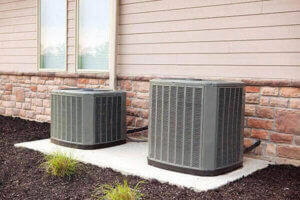
Air-source heat pumps are a common option for residential heating and cooling. They transfer heat between outdoor air and your home’s interior, providing cooling in summer and heating in winter.
In cooling mode, the system removes heat from indoor air and releases it outside. In heating mode, it extracts available heat from outdoor air and transfers it indoors.
Who Should Consider an Air-Source Heat Pump?
A ducted air-source heat pump may be a good option for homeowners who want one system to provide both heating and cooling throughout the house. It can often work with existing ductwork if the ducts are suitable for the new equipment.
Air-source heat pumps are worth considering when replacing an aging air conditioner and furnace, upgrading an existing HVAC system, or exploring alternatives to conventional heating equipment.
Learn more about heat pump pros and cons.
What Should Homeowners Know?
Not all air-source heat pumps perform the same way in cold weather. Heating capacity and efficiency vary by model and outdoor temperature, so St. Louis homeowners should compare equipment designed to meet local winter heating demands.
The condition of your ductwork, insulation, and overall home also affects system performance. A professional evaluation can help determine whether a ducted air-source heat pump is a suitable choice.
For more information, see our How Heat Pumps Work guide to understand the basic heating and cooling process.
2. Ductless Mini-Split Heat Pumps
Ductless mini-split heat pumps are generally a type of air-source heat pump. Instead of distributing conditioned air through a network of ducts, they use one or more indoor units connected to an outdoor unit.
Each indoor unit delivers heating and cooling directly to a particular room or zone. Depending on the system design, multiple indoor units may connect to one outdoor unit.
When Is a Ductless Heat Pump a Good Fit?
Ductless mini-splits may be useful for:
- Homes without existing ductwork
- Home additions and finished garages
- Converted attics or basements
- Rooms that are difficult to heat or cool consistently
- Homes where separate temperature control in different areas is desirable
Because ductless systems do not rely on traditional ductwork to distribute conditioned air, they can provide flexibility for certain layouts and renovation projects.
What Should You Consider?
The number and placement of indoor units affect comfort, appearance, and installation requirements. A system must also be sized appropriately for the areas it serves.
If your home already has ductwork, a ductless system may not automatically be the best or most cost-effective option. Comparing ducted and ductless configurations with an HVAC professional can help you determine which approach fits your home.
Learn more about ductless heat pump installation.
3. Geothermal Heat Pumps
Geothermal heat pumps, also called ground-source heat pumps, transfer heat between a home and the ground through an underground loop system. Because ground temperatures are generally more stable than outdoor air temperatures, these systems can operate under different conditions than air-source heat pumps.
During winter, a geothermal system draws heat from the ground and transfers it into the home. In summer, it moves heat from the home into the ground.
Learn more about how geothermal heat pumps work.
What Homes Are Suitable for Geothermal Systems?
Geothermal heat pumps may be worth investigating for homeowners planning a major construction project, building a new home, or considering a long-term heating and cooling investment.
However, installation involves additional considerations, including the property, soil conditions, loop configuration, excavation or drilling requirements, and project budget.
What Should You Know Before Choosing Geothermal?
Geothermal systems can have higher upfront installation costs than many conventional air-source systems because of the underground loop infrastructure. Whether the investment makes sense depends on the site, system design, energy costs, installation expenses, and long-term plans for the property.
Homeowners should obtain a site-specific evaluation and compare the full project cost with other suitable heating and cooling options before making a decision.
4. Dual-Fuel Heat Pump Systems
A dual-fuel heat pump system combines an electric heat pump with a furnace, commonly a natural gas furnace. The system uses controls to determine which heating source operates based on the setup, outdoor conditions, and heating demand.
The heat pump can provide heating during suitable conditions, while the furnace can supply heat when additional capacity is needed or when the system’s controls call for it.
Why Consider a Dual-Fuel System?
This configuration may appeal to homeowners who want to use a heat pump for much of their heating and cooling while retaining a furnace as an additional heat source.
It can be especially relevant when replacing an existing HVAC system that already includes a furnace. However, the best arrangement depends on equipment compatibility, utility costs, home heating requirements, and installation considerations.
A professional assessment can help you compare a dual-fuel heating system with an all-electric heat pump or other options for your home.
5. Water-Source Heat Pumps
Water-source heat pumps transfer heat to or from a water loop or another suitable water source rather than relying directly on outdoor air or a ground loop. They are often associated with specialized residential, commercial, or multi-unit building applications.
The feasibility of a water-source system depends on the building design, available water or loop infrastructure, and the requirements of the particular equipment. For many individual homeowners, an air-source, ductless, or geothermal system may be more relevant to investigate first.
If you are considering a less common heat pump configuration, seek an evaluation from an HVAC professional familiar with the proposed system and its installation requirements.
How to Choose Between Different Heat Pump Systems
The best type of heat pump depends on your home, your comfort needs, and your budget. Before choosing equipment, consider these factors.
- Your Home’s Existing HVAC System: If your home has suitable ductwork, a ducted air-source heat pump may be worth considering. If it has no ducts or you need to condition specific rooms, a ductless mini-split could be an alternative. If you are retaining a furnace, a dual-fuel configuration may also be an option.
- Your Heating and Cooling Requirements: The system must provide enough heating and cooling for your home under local weather conditions. Equipment type, capacity, and design all affect performance. A professional load calculation can help determine the size and capacity your home needs.
- Installation Requirements and Budget: Different heat pump types have different installation needs. Ductless systems require appropriate indoor unit placement, while geothermal systems need a suitable ground-loop installation. Ducted systems require compatible ductwork and airflow. Compare complete installation proposals, not just equipment prices. Ask what work is included and whether the project may require ductwork modifications, electrical upgrades, or other improvements.
- Efficiency and Cold-Weather Performance: Efficiency ratings help you compare equipment, but they are only part of the decision. Consider how the system performs under the conditions your home experiences, including summer heat and winter cold. Read our Heat Pump Efficiency Ratings Explained and Cold-Weather Heat Pump Performance guides for more information on these topics.
- Maintenance and Long-Term Ownership: All heat pump systems require appropriate care. Filter changes, keeping equipment clear of obstructions, and professional maintenance help support reliable operation. The maintenance requirements and service considerations vary by system type and installation. Consider the equipment’s expected lifespan, repair needs, and manufacturer recommendations when evaluating the long-term investment.
Frequently Asked Questions About Heat Pump Types
Air-source heat pumps are a common residential option because they can provide both heating and cooling. Ductless mini-splits are another form of air-source heat pump and can be useful in homes without ductwork or in areas that need separate temperature control.
Many heat pumps can provide heating during Missouri winters, but performance varies by model and outdoor temperature. Homeowners should compare cold-weather heating performance and consider whether supplemental heating or a dual-fuel configuration is appropriate for their home. Are heat pump worth it in Missouri? Learn more.
Neither is automatically better for every home. Ductless systems can be useful where ducts are unavailable or room-by-room control is desirable. Ducted systems may be a better fit when suitable ductwork already serves the home. The right choice depends on layout, installation costs, comfort needs, and equipment design.
It may be worth investigating for some properties, but the answer depends on installation costs, site conditions, energy prices, system design, and how long you expect to use the system. A site-specific assessment is necessary to evaluate whether geothermal is a practical choice.
In some cases, a heat pump can be paired with a compatible furnace as part of a dual-fuel system. Compatibility, controls, installation requirements, and the home’s heating needs should be evaluated before choosing this arrangement.
Find the Right Heat Pump for Your St. Louis Home
Choosing between the types of heat pumps is easier when you understand how each system works and what your home requires. Air-source heat pumps, ductless mini-splits, geothermal systems, and dual-fuel configurations offer different approaches to heating and cooling, but the best choice depends on your property’s layout, existing equipment, budget, and comfort goals.
Galmiche & Sons helps homeowners in St. Louis and surrounding communities explore heating and cooling solutions for their homes. If you are considering a new heat pump or replacing an existing system, our team can help you learn more about your options and determine the next steps.
Contact Galmiche & Sons to discuss heat pump options for your home or learn more about heat pump services in the St. Louis area.