
Choosing a new heat pump involves more than comparing brands, features, and installation prices. You also need to understand how efficiently different systems heat and cool your home. Heat pump efficiency ratings provide a standardized way to compare equipment, helping you make a more informed decision when planning a replacement or installation.
If you’re researching heat pumps for your St. Louis home, you’ll likely encounter terms such as SEER2, EER2, and HSPF2. These ratings may look confusing at first, but each one measures a different aspect of performance. Knowing what they mean can help you compare systems more confidently and choose equipment suited to your home’s heating and cooling needs.
From our heat pump buyers guide to experienced HVAC professions, we help homeowners understand their HVAC options and make informed decisions about their comfort systems. Here’s what you should know about heat pump efficiency ratings before choosing your next system.
What Are Heat Pump Efficiency Ratings?
Heat pump efficiency ratings measure how effectively a system uses electricity to provide heating or cooling under standardized testing conditions. Because heat pumps move heat rather than generate it through combustion, they can provide heating and cooling with relatively low electrical energy input.
However, not all heat pumps perform the same way. Equipment design, operating conditions, and system configuration can affect performance. Efficiency ratings offer a consistent starting point for comparing models, but they don’t tell the entire story about how a system will perform in your home.
The most common heat pump efficiency ratings include:
- SEER2: Measures seasonal cooling efficiency.
- EER2: Measures cooling efficiency under specific operating conditions.
- HSPF2: Measures seasonal heating efficiency.
- COP: Describes the relationship between heat delivered and electricity consumed at a particular operating condition.
Each rating provides a different piece of the puzzle. Understanding these differences is especially helpful when comparing high efficiency heat pumps for the varied weather conditions experienced in the St. Louis area.
Understanding SEER2: Seasonal Cooling Efficiency
SEER2 stands for Seasonal Energy Efficiency Ratio 2. It measures a heat pump’s cooling efficiency across a representative cooling season under standardized testing conditions.
In simple terms, SEER2 compares the amount of cooling a system provides with the electricity it consumes over the testing period. A higher SEER2 rating indicates greater seasonal cooling efficiency under those conditions.
How to Compare SEER2 Ratings
When comparing two heat pumps, a model with a higher SEER2 rating is generally more efficient at seasonal cooling than a lower-rated model when evaluated using the same standard.
For example, a heat pump rated at SEER2 18 has a higher seasonal cooling efficiency rating than a comparable model rated at SEER2 15. However, the difference in ratings does not translate directly into a guaranteed percentage of energy savings for your household.
Actual electricity use depends on several factors, including outdoor temperatures, thermostat settings, insulation, ductwork, system sizing, and how frequently your heat pump operates.
SEER2 is particularly relevant to St. Louis homeowners because air conditioning is an important part of home comfort during Missouri’s hot, humid summers.
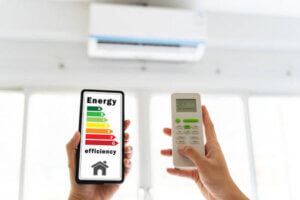
What Is EER2? Understanding Cooling Performance
EER2 stands for Energy Efficiency Ratio 2. Like SEER2, it evaluates cooling efficiency, but it measures performance under a specific set of operating conditions rather than across a representative cooling season.
This distinction matters because a heat pump’s efficiency can change as outdoor temperatures and indoor conditions change.
EER2 vs. SEER2
SEER2 provides a seasonal perspective, while EER2 offers a snapshot of cooling performance at a defined test condition.
When comparing equipment:
- SEER2 helps you compare seasonal cooling efficiency.
- EER2 helps you compare cooling efficiency at the specified test conditions.
Neither rating alone can predict how much electricity your heat pump will use throughout an entire summer. Together, however, they can provide a more complete picture of cooling performance.
For homeowners in the St. Louis region, understanding both ratings can help when evaluating equipment intended to handle periods of sustained summer heat.
What Is HSPF2? Understanding Heating Efficiency
HSPF2 stands for Heating Seasonal Performance Factor 2. It measures a heat pump’s heating efficiency over a representative heating season under standardized testing conditions.
Because heat pumps provide both heating and cooling, evaluating heating efficiency is just as important as evaluating cooling performance. A model with a strong cooling rating may not necessarily offer the same relative advantage when comparing heating performance.
How to Compare HSPF2 Ratings
A higher HSPF2 rating indicates greater seasonal heating efficiency under the applicable test conditions.
For example, when comparing otherwise appropriate systems, a heat pump with an HSPF2 rating of 9 has a higher seasonal heating efficiency rating than one rated at 8.
However, HSPF2 does not guarantee a specific level of performance during every winter weather condition. Outdoor temperature, defrost cycles, auxiliary heat use, system sizing, and installation quality all influence real-world operation.
This is particularly important in St. Louis, where winter temperatures can fluctuate considerably. Homeowners should consider how a heat pump performs in colder weather, not just its seasonal rating.
For more information, see our related guide on heat pump cold-weather performance, which can help you understand how outdoor temperatures affect heating operation.
COP: Another Way to Measure Heat Pump Efficiency
COP stands for Coefficient of Performance. It compares the amount of heating or cooling delivered by a heat pump with the electrical energy it consumes at a particular operating condition.
For example, a COP of 3 means the system delivers three units of heat energy for every unit of electrical energy it uses under those conditions.
Unlike SEER2 and HSPF2, which provide seasonal performance measures, COP generally describes performance at a specific set of conditions. A heat pump can have different COP values at different outdoor temperatures.
COP can be useful when reviewing technical specifications or comparing performance at particular temperatures. However, most homeowners shopping for residential equipment will encounter SEER2, EER2, and HSPF2 more frequently.
How to Compare Heat Pump Efficiency Ratings
Understanding individual ratings is helpful, but choosing a system requires looking at the complete picture. Here are several factors to consider when comparing heat pumps for your home.
1. Compare the Same Types of Ratings
If you are interested in heat pump energy savings, make sure you’re comparing SEER2 with SEER2, EER2 with EER2, and HSPF2 with HSPF2. Comparing different rating types won’t provide a meaningful, direct comparison.
Also, check that you’re reviewing specifications for the complete system configuration being proposed. Performance can vary depending on the indoor and outdoor equipment paired together.
2. Consider Both Heating and Cooling
A heat pump needs to keep your home comfortable in both summer and winter. Review the cooling and heating ratings together instead of selecting a model based on its highest advertised number.
For St. Louis homeowners, balanced performance across both seasons can be particularly important. Learn more about heat pumps in Missouri weather.
3. Look Beyond the Efficiency Numbers
A high-rated heat pump may not be the best choice for every home. Equipment sizing, ductwork condition, insulation, air leakage, thermostat controls, and installation quality all affect performance.
An oversized or undersized system can create comfort problems even when the equipment itself has strong efficiency ratings.
If you’re unfamiliar with equipment sizing, our related guide on heat pump sizing can help explain why matching system capacity to your home matters.
4. Consider Your Home’s Heating and Cooling Needs
Your home’s layout, existing ductwork, insulation, and comfort concerns should influence your decision. A ductless mini-split system, for example, may be appropriate for certain homes or additions, while a ducted system may better suit others.
Our types of heat pumps guide explains the main system options and how they differ.
5. Review the Complete Equipment Specifications
Efficiency ratings are only part of an equipment comparison. You may also want to review heating capacity at different outdoor temperatures, sound levels, available controls, and compatibility with your existing HVAC setup.
If you’re replacing an older system, our guide to heat pump replacement can help you understand the broader decisions involved.
Common Mistakes Homeowners Make When Comparing Efficiency Ratings
Heat pump ratings can be useful, but a few common misunderstandings can make equipment shopping more confusing than it needs to be.
- Focusing on one number: A high SEER2 rating doesn’t automatically mean a system is the best choice for winter heating. Review heating and cooling performance together.
- Assuming a higher rating guarantees lower bills: Ratings are based on standardized testing, not your home’s exact conditions. Your energy use will depend on weather, operating habits, home efficiency, and system setup.
- Overlooking installation quality: Even well-rated equipment may not perform as intended if it is improperly sized, installed, or configured.
- Ignoring cold-weather performance: Seasonal heating ratings are useful, but St. Louis homeowners should also consider how a heat pump operates during colder periods.
- Choosing equipment without evaluating the home: The right system depends on more than the model number. A professional assessment can help identify issues with ductwork, insulation, and heating or cooling capacity before you commit to new equipment.
At Galmiche & Sons, we help St. Louis homeowners evaluate their HVAC needs and understand their options so they can make informed decisions about heat pump installation and replacement.
Compare Heat Pump Options With Galmiche & Sons
Understanding heat pump efficiency ratings can make it easier to compare equipment, ask informed questions, and choose a system that fits your home’s needs. However, the best choice involves more than selecting the model with the highest number. You also need to consider your home’s layout, heating and cooling requirements, and the weather conditions your system will encounter throughout the year.
Galmiche & Sons helps homeowners throughout the St. Louis area explore heat pump options, understand their HVAC needs, and make informed decisions about installation and replacement.
Ready to learn more about heat pump efficiency or explore your options? Contact Galmiche & Sons to discuss your home’s heating and cooling needs and schedule professional HVAC service in the St. Louis area.