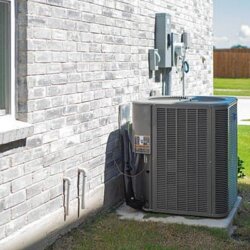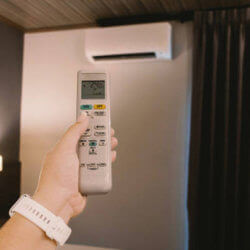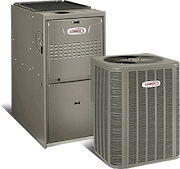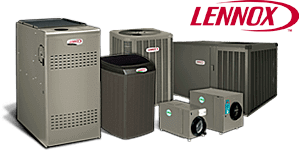

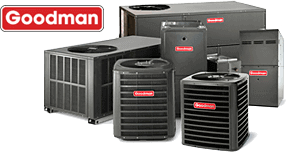
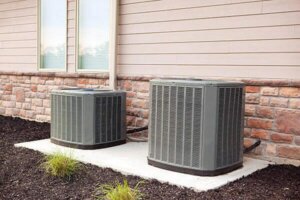
If your heat pump is getting older, replacing it with a high efficiency heat pump can do more than restore reliable heating and cooling. Today’s systems are designed to provide efficient, consistent comfort while using energy more effectively than many older units.
For homeowners in St. Louis, upgrading an aging heat pump can be an opportunity to improve year-round comfort, reduce energy waste, and take advantage of modern HVAC technology. But choosing a replacement system is about more than simply selecting the highest efficiency rating available. The right equipment needs to be properly sized for your home, installed correctly, and matched to your comfort and energy goals.
Galmiche & Sons can help you evaluate your existing system and determine whether a high-efficiency heat pump replacement makes sense for your St. Louis home.
To learn more or schedule heat pump replacement in St. Louis, contact us today.
What Is a High Efficiency Heat Pump?
A high-efficiency heat pump is designed to provide heating and cooling while using less energy than less-efficient equipment. Unlike a traditional HVAC system that generates heat by burning fuel or using electric resistance, a heat pump transfers heat from one location to another.
During the winter, a heat pump extracts available heat from outdoor air and transfers it into your home. During the summer, the process reverses, allowing the system to move heat from inside your home to the outdoors.
Modern heat pump technology can deliver efficient heating and cooling throughout the year. Improvements in compressors, controls, motors, refrigerant technology, and overall system design have made newer equipment considerably more advanced than many older heat pumps.
Why Consider a High Efficiency Heat Pump Replacement?
Replacing an aging heat pump with a more efficient model can provide several potential benefits.
Lower Energy Use
One of the biggest reasons homeowners consider high-efficiency equipment is the potential to reduce energy consumption. An older heat pump may have a lower efficiency rating, and its performance can decline as components wear.
A newer system can be designed to operate more efficiently, potentially reducing the amount of energy required to maintain comfortable indoor temperatures.
Actual energy savings vary based on your home’s size, insulation, ductwork, thermostat settings, equipment efficiency, weather, and other factors. A qualified HVAC professional can help you evaluate what type of improvement may be realistic for your home.
Learn more about heat pump energy savings.
More Consistent Home Comfort
Efficiency is only one part of the equation. Modern heat pumps can also provide more consistent temperature control and improved operation.
If your current system struggles to maintain comfortable temperatures, runs constantly, or leaves certain rooms warmer or colder than others, a replacement may provide an opportunity to address underlying comfort issues.
Proper sizing is particularly important. An oversized or undersized heat pump may not operate as efficiently or comfortably as it should.
Improved Reliability
Older equipment can become increasingly difficult and expensive to keep running as components wear out. If you are frequently calling for heat pump repair, continuing to invest in an aging system may not always be the most practical long-term solution.
A new heat pump can give you the reliability and peace of mind that comes with modern equipment and a fresh installation.

How Efficient Should Your Replacement Heat Pump Be?
There is no single efficiency rating that is right for every St. Louis homeowner.
When comparing equipment, your HVAC professional may consider efficiency ratings along with system size, home characteristics, operating costs, comfort requirements, budget, and expected usage.
Higher efficiency equipment can cost more initially, so it is important to consider the potential long-term value rather than focusing exclusively on the highest rating.
The best replacement heat pump is one that provides an appropriate balance of:
- Energy efficiency
- Heating and cooling performance
- Upfront investment
- Long-term operating costs
- Reliability
- Home comfort
- Equipment features
- Proper sizing and installation
Our How to Choose a Replacement Heat Pump guide can help you understand some of the important factors to consider before selecting your new system.
High Efficiency Heat Pump Replacement in St. Louis
St. Louis homeowners need heating and cooling equipment that can handle significant seasonal temperature changes. A heat pump needs to provide dependable performance during cold winter weather while also efficiently cooling your home during the summer.
That makes equipment selection particularly important.
A professional evaluation should take into account your home’s heating and cooling requirements, existing HVAC equipment, ductwork, insulation, airflow, electrical requirements, and other factors that can influence system performance.
A high-efficiency heat pump will not necessarily deliver its full potential if it is improperly sized or installed. Professional installation is a critical part of achieving the comfort and efficiency you expect from your investment.
Should You Replace Your Heat Pump With a More Efficient Model?
If your existing heat pump is still operating, you may wonder whether upgrading is worth the investment.
There is no universal answer. The condition and age of your current system, repair history, efficiency, comfort performance, and expected remaining service life should all be considered.
If your system is relatively reliable and repairs are minor, continuing to maintain it may make sense. On the other hand, if your heat pump is older, requires frequent repairs, produces inconsistent temperatures, or has declining efficiency, replacement may provide better long-term value.
Our Heat Pump Repair vs. Replacement guide provides additional information to help you compare these options.
You can also review our Heat Pump Lifespan resource to learn more about how long heat pumps typically last and what can influence equipment longevity.
Is a Higher Efficiency Heat Pump Worth the Cost?
A high-efficiency system generally has a higher upfront cost than a comparable lower-efficiency model. Whether that additional investment makes sense depends on several factors.
Consider both the initial price and the expected operating costs over the life of the equipment. If you plan to remain in your home for many years, improved efficiency may have greater long-term value.
It is also important to consider comfort, reliability, maintenance requirements, and the potential cost of continuing to repair older equipment.
For a closer look at the financial side of replacement, see our Heat Pump Replacement Cost Guide.
Don’t Overlook Professional Installation
Even the most efficient heat pump available cannot perform as intended if it is not installed correctly.
Professional installation helps ensure that the system is properly sized, connected, configured, and tested. Installation quality can affect efficiency, comfort, reliability, and equipment life.
Your HVAC contractor should also verify that the new system works properly with the home’s existing ductwork and electrical infrastructure. If modifications are needed, addressing them during replacement can help your new heat pump operate more effectively.
This is why choosing the right HVAC company is just as important as choosing the right equipment.
Frequently Asked Questions
They can use less energy than lower-efficiency equipment, which may reduce operating costs. However, actual savings depend on the equipment, home, weather, energy rates, system usage, and installation quality. Learn more about new heat pump energy savings.
It can be, particularly when an older heat pump has declining efficiency, frequent repair needs, inconsistent comfort, or is approaching the end of its useful life. A professional evaluation can help determine whether replacement makes financial and practical sense.
Modern heat pumps are designed to provide heating in cold weather, but the appropriate system needs to be selected for the home’s heating requirements and local climate. Your HVAC professional can help determine which equipment is appropriate for your home.
Like any HVAC system, a high-efficiency heat pump benefits from regular professional maintenance. Keeping filters, coils, electrical components, airflow, and other system components in good condition can help maintain reliable and efficient operation. Learn more about heat pump maintenance.
Many straightforward residential heat pump replacements can be completed within a day. The exact timeline depends on the equipment, accessibility, existing system, ductwork, electrical requirements, and whether modifications are necessary. Learn more about how long heat pump replacement takes.
Upgrade to High-Efficiency Comfort with Galmiche & Sons
Replacing an aging heat pump is a significant investment in your home’s comfort. You do not have to navigate equipment options, efficiency ratings, sizing, and installation requirements on your own.
Galmiche & Sons has been serving St. Louis-area homeowners with trusted HVAC services for generations. Our experienced team can evaluate your existing system, explain your replacement options, and help you determine whether high efficiency heat pump replacement is the right choice for your home.
If you are ready to improve comfort, reliability, and energy efficiency, contact Galmiche & Sons today to learn more about high-efficiency heat pump replacement or schedule HVAC service in the St. Louis area.