
If your heat pump is nearing the end of its service life, you may be wondering, how long does heat pump replacement take? For most residential homes, a straightforward heat pump replacement can often be completed within a day. However, the exact timeline depends on the type of system being installed, the condition of the existing equipment, the accessibility of the installation area, and whether additional work is needed.
Knowing what to expect can make the replacement process much easier to plan. At Galmiche & Sons, we help St. Louis homeowners understand their options and prepare for a smooth, professional heat pump replacement from start to finish.
To learn more or schedule your heat pump replacement in St. Louis, contact our team today.
So Exactly How Long Does Heat Pump Replacement Take?
A typical residential heat pump replacement may take approximately 4 to 8 hours when replacing an existing system with a comparable unit and the existing ductwork, electrical connections, and other components are in good condition.
Some installations can be completed more quickly, while more involved projects may take a full day or longer. The most accurate timeline can be determined after a professional evaluates your existing system and the requirements of the new installation.
The replacement itself generally involves several steps:
- Removing the old heat pump and related equipment
- Preparing the installation area
- Installing the new indoor and outdoor equipment
- Connecting refrigerant lines and electrical components
- Connecting the system to existing ductwork when applicable
- Checking system operation and safety controls
- Testing heating and cooling performance
- Explaining basic operation and maintenance to the homeowner
The goal is not simply to get the new equipment installed as quickly as possible. Proper installation is essential for reliable performance, efficiency, comfort, and long-term equipment life.
Factors that Affect the Heat Pump Replacement Timeline
Not every replacement project is the same. Several factors can influence how long your heat pump installation takes.
The Type and Size of Heat Pump
The equipment being installed can affect the amount of work required. Replacing a conventional ducted heat pump with a similar system is often relatively straightforward. A different type or configuration may require additional installation work.
For homeowners considering different equipment options, our How to Choose a Replacement Heat Pump resource can help explain some of the factors that go into selecting a system.
The Condition of the Existing System
An older heat pump may have components that need attention before the new system can be installed properly. During replacement, the HVAC technician may discover outdated connections, damaged components, or other issues that were not apparent from the initial evaluation.
Addressing these issues may add time to the project, but doing the work correctly can help prevent problems after installation.
Ductwork and Airflow
If your home has a ducted heat pump, the existing ductwork needs to be compatible with the new equipment. Poorly designed, damaged, or improperly sized ductwork can affect airflow and system performance.
In some cases, ductwork modifications may be recommended as part of the replacement. While this can extend the installation timeline, improving airflow may help the new system operate more effectively.
Ductwork modifications are often required for older homes especially. Learn more about heat pumps for older homes.
Electrical or Refrigerant Work
A new heat pump may have different electrical requirements than an older system. Electrical modifications, refrigerant line changes, or other technical adjustments can add time to the installation.
A qualified HVAC professional should evaluate these requirements before installation so potential complications can be identified as early as possible.
Accessibility
The location of your existing equipment also matters. Equipment that is easy to access can generally be removed and replaced more efficiently. Tight crawl spaces, difficult attic access, confined mechanical rooms, or challenging outdoor equipment locations may require additional time and care.
What Happens on Heat Pump Replacement Day?
Understanding what happens during the installation can help you plan your day.
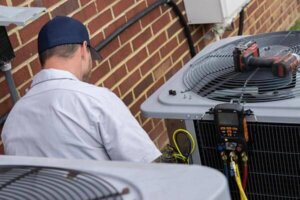
First, the installation team will prepare the work area and safely disconnect the existing equipment. The old heat pump and associated components will then be removed.
Next, the technicians install the new equipment and make the necessary electrical, refrigerant, drainage, and ductwork connections. Depending on the system, this may involve installing both indoor and outdoor components.
Once installation is complete, the system is carefully tested. Technicians check operating performance, airflow, controls, connections, and other important components to make sure everything is functioning as intended.
For a more detailed overview, see our Heat Pump Replacement Process page, which explains what homeowners can expect throughout a replacement project.
Does Heat Pump Replacement Require You to Leave Home?
In most cases, homeowners do not need to leave the house during a heat pump replacement. However, you should expect some noise and activity while the old equipment is removed and the new system is installed.
If the equipment is located in an attic, crawl space, basement, or another difficult-to-access area, technicians may need access to those portions of the home throughout the project.
Your HVAC contractor should let you know what to expect before work begins so you can make appropriate arrangements.
Frequently Asked Questions About Heat Pump Replacement
Most straightforward residential heat pump replacements can be completed in approximately 4 to 8 hours. More complicated installations may take longer depending on equipment, accessibility, ductwork, electrical requirements, and other factors.
Yes. Many residential heat pump replacements can be completed in one day when the new system is compatible with the existing installation and no significant modifications are required.
Not necessarily. A standard heat pump replacement typically involves replacing the heating and cooling equipment rather than replacing the home’s entire duct system. However, ductwork repairs or modifications may be recommended if existing ducts are damaged, improperly sized, or affecting system performance.
Clear access to the equipment and make sure technicians can reach the indoor and outdoor units. It can also be helpful to discuss your comfort concerns, energy-efficiency goals, and any problems with your existing system before installation begins.
Replacing a failing system before extreme summer or winter weather can make the process less stressful. Planning ahead also gives you more flexibility when choosing equipment and scheduling installation.
Plan Your Heat Pump Replacement With Galmiche & Sons
If your heat pump is aging, breaking down frequently, or struggling to keep your St. Louis home comfortable, Galmiche & Sons can help you determine whether replacement is the right choice.
Our experienced HVAC professionals can evaluate your existing system, discuss your replacement options, explain what to expect during installation, and help you choose equipment suited to your home’s comfort needs.
Don’t wait for a complete system failure to start planning. Contact Galmiche & Sons today to learn more about heat pump replacement or schedule professional HVAC service in the St. Louis area.