
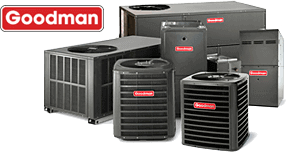

If your heat pump is approaching the end of its service life, one of the first questions you are likely to have is, “How much will replacement cost?” The answer depends on much more than the price of the equipment itself.
The heat pump replacement cost for a St. Louis home can vary based on the type and efficiency of the system, its capacity, installation requirements, existing ductwork, electrical work, accessibility, and other factors specific to the property.
Understanding these factors before requesting an estimate can help you compare options more confidently and avoid focusing solely on the lowest upfront price. At Galmiche & Sons, we help homeowners throughout the St. Louis area evaluate their existing systems, understand replacement options, and choose equipment appropriate for their home’s comfort needs.
Contact us to learn more or schedule your heat pump replacement in St. Louis.
What Is Included in Heat Pump Replacement Cost?
A heat pump replacement typically involves more than purchasing a new outdoor unit.
Depending on the existing HVAC configuration, your project may include:
- New heat pump equipment
- Indoor air-handling equipment
- Labor and installation
- Removal of the existing system
- Refrigerant line connections
- Electrical connections
- Thermostat or control upgrades
- Ductwork modifications
- Drainage adjustments
- System testing and commissioning
Every home is different. That is why a professional evaluation is important before a contractor can provide an accurate replacement estimate.
Want to learn more? Find out what to expect in your heat pump replacement process.
Key Factors That Affect Heat Pump Replacement Cost
1. Type of Heat Pump
The type of system you choose can have a significant impact on project pricing.
A traditional ducted heat pump may be appropriate for a home with existing ductwork, while a ductless heat pump can be a practical option for homes without suitable ducts or for individual areas.
Your home’s layout and existing HVAC infrastructure will help determine which approach makes sense.
Our Ducted vs. Ductless Heat Pump Systems guide provides a closer look at the differences between these options.
2. System Size
Heat pumps are available in different capacities, and the equipment needs to be appropriately sized for the home.
A larger system is not automatically better. An oversized or undersized system can affect comfort, efficiency, and operating performance.
A professional HVAC contractor should evaluate the home’s heating and cooling requirements rather than simply replacing the existing system with equipment of the same size.
Learn more about this important consideration in our Heat Pump Sizing Guide.
3. Efficiency Rating
Heat pumps are available at different efficiency levels.
Higher-efficiency equipment may have a higher initial purchase price, but it may also use less energy during operation.
The best choice depends on factors such as how long you plan to remain in the home, how frequently the system operates, your energy costs, and your overall budget.
The lowest-priced equipment is not necessarily the least expensive option over the entire life of the system.
Learn more about heat pumps & energy savings.
4. Home Size and Layout
The size and configuration of your home influence the equipment needed to provide adequate heating and cooling.
A larger home may require greater system capacity, while a home with multiple levels, additions, or unusual layouts may require additional planning to distribute conditioned air effectively.
Older homes can present additional considerations, including insulation, air leakage, and existing ductwork.
Our Heat Pump Options for Older Homes article explains some of the challenges that can arise when replacing HVAC equipment in an older St. Louis-area home.
5. Existing Ductwork
If you have a ducted HVAC system, the condition of your existing ductwork can affect replacement requirements.
Ducts may need attention if they are:
- Leaking
- Poorly insulated
- Damaged
- Improperly sized
- Difficult to access
- Restricting airflow
If your existing ductwork is in good condition and appropriate for the new equipment, it may be possible to reuse it. If not, modifications may be necessary.
6. Electrical Requirements
Replacing an older heat pump with newer equipment may involve electrical considerations.
Depending on the home’s existing electrical service and the requirements of the new system, modifications may be necessary.
An evaluation before installation can help identify potential electrical requirements so they can be incorporated into the project plan.
7. Labor and Installation Complexity
Two homes can require completely different amounts of installation work even when they use similar heat pump equipment.
Accessibility, equipment location, ductwork configuration, electrical connections, refrigerant lines, and removal of existing equipment can all influence labor requirements.
Professional installation is an important part of the overall investment because proper equipment setup directly affects performance and reliability.
Does a More Expensive Heat Pump Cost Less to Operate?
Not necessarily, but equipment efficiency can affect long-term operating costs.
A higher-efficiency heat pump may consume less energy than a lower-efficiency model under comparable operating conditions. However, actual savings depend on the equipment, installation, home characteristics, thermostat settings, weather, energy rates, and maintenance.
This is why it is useful to evaluate total cost of ownership, rather than looking only at the purchase price.
Our guide on Energy Savings from a New Heat Pump provides additional information about the relationship between replacement equipment and energy consumption.
Can Heat Pump Rebates Reduce Replacement Costs?
Potentially.
Depending on current programs and eligibility requirements, homeowners may have access to federal, state, utility, or manufacturer incentives for qualifying heat pump installations.
Programs can change, and not every system or homeowner will qualify. Before making a purchasing decision, verify the current requirements and determine whether the equipment you are considering qualifies.
Our Heat Pump Rebates and Tax Credits guide provides additional information about incentives worth investigating.

When Is Heat Pump Replacement a Better Investment Than Repair?
The cost of replacement should also be compared with the cost of continuing to repair an aging system.
Repair may make sense when your heat pump is relatively young and the problem is minor. Replacement may become more attractive when the system is older and you are dealing with repeated repairs, declining efficiency, or increasingly expensive component failures.
Consider:
- The age of the current heat pump
- Recent repair history
- Cost of the proposed repair
- Current energy consumption
- Reliability and comfort
- Expected remaining service life
- Cost of replacement equipment
Our Heat Pump Repair vs. Replacement Cost Comparison article can help you evaluate these considerations.
Frequently Asked Questions
There is no single price that applies to every home. Heat pump replacement cost depends on the equipment, system capacity, efficiency, labor, ductwork, electrical requirements, and other project-specific factors. A professional evaluation is the best way to receive an accurate estimate.
A professional replacement project typically includes removal of the existing equipment, but homeowners should confirm exactly what is included in the contractor’s proposal. Learn more about the heat pump replacement process.
Start by comparing appropriately sized equipment and investigating available incentives. However, avoid choosing equipment based solely on the lowest initial price. An appropriately selected, efficiently operating system can provide greater long-term value.
Get a Heat Pump Replacement Estimate from Galmiche & Sons
Understanding heat pump replacement cost is an important part of planning your HVAC investment, but the right system should be selected based on your home rather than a generic price range.
At Galmiche & Sons, we can evaluate your existing equipment, discuss replacement options, and identify the factors that may affect your project. Our experienced HVAC professionals serve homeowners throughout the St. Louis area and can help you make an informed decision about replacing an aging heat pump.
Whether your current system is breaking down frequently, struggling to maintain comfortable temperatures, or simply approaching the end of its useful life, you do not have to navigate the decision alone.
Contact Galmiche & Sons today to schedule an evaluation and request a heat pump replacement estimate for your St. Louis home.