
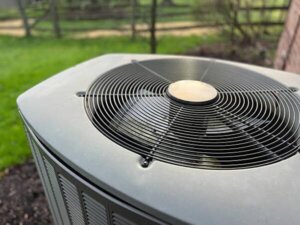
If you are considering a heat pump for your St. Louis home, you may be wondering how one system can keep your house cool in summer and warm in winter. Unlike a traditional furnace that generates heat by burning fuel or using electric resistance, a heat pump moves heat from one place to another. This process allows it to provide both heating and cooling with the same equipment.
Understanding how a heat pump works can help you decide whether one is right for your home, recognize when something is not operating as expected, and know when to call an HVAC professional. Galmiche & Sons helps homeowners in St. Louis and surrounding communities explore heat pump options and keep their heating and cooling systems operating as intended.
To learn more about heat pumps, check out our heat pump buyers guide or contact us today.
How Does a Heat Pump Work?
A heat pump uses refrigerant and a cycle of compression, heat transfer, and expansion to move heat between your home and the outdoors. During summer, it removes heat from inside your house and releases it outside. During winter, it collects available heat from outdoor air and transfers that heat indoors.
The important distinction is that a heat pump moves heat rather than simply generating it. Even when outdoor air feels cold, it contains thermal energy that a properly designed heat pump can extract. How much heat the system can move efficiently depends on the equipment and outdoor conditions.
Because one system can provide both heating and cooling, a heat pump can be a practical option for homeowners who want year-round comfort from a single piece of equipment.
How a Heat Pump Cools Your Home in Summer
In cooling mode, a heat pump works much like a conventional air conditioner. It removes heat from indoor air and transfers it to the outdoors.
Here is how the process works:
- Warm indoor air passes over the indoor coil. A fan moves air across the coil, where refrigerant absorbs heat from the air.
- The refrigerant carries the heat outside. As it absorbs heat, the refrigerant changes state and circulates through the system.
- The compressor raises the refrigerant’s pressure. This increases its temperature, allowing it to release heat at the outdoor coil.
- The outdoor coil releases heat. The outdoor fan moves air across the coil, helping transfer heat from the refrigerant into the outdoor air.
- The refrigerant pressure drops. An expansion device lowers the refrigerant pressure before it returns to the indoor coil, allowing the cycle to repeat.
As the heat pump removes heat from your home, it can also remove moisture from indoor air under suitable operating conditions. This helps support indoor comfort during humid St. Louis summers.
If your heat pump runs but your home stays warm, airflow is weak, or cooling performance changes noticeably, the cause could range from a dirty filter to a refrigerant or component problem. Checking the thermostat and filter is a reasonable first step, but persistent issues should be evaluated by an HVAC professional.
Learn more about common heat pump problems.
How a Heat Pump Heats Your Home in Winter
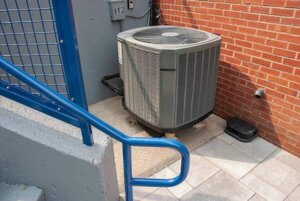
When the thermostat calls for heat, a heat pump reverses the direction of heat transfer. Instead of removing heat from your home, it extracts heat from the outdoor air and delivers it indoors.
The heating process follows the same basic refrigeration cycle, but the indoor and outdoor coils perform different roles:
- The outdoor coil absorbs heat: Refrigerant collects thermal energy from the outdoor air.
- The compressor increases pressure and temperature: This allows the refrigerant to deliver heat at a higher temperature.
- The indoor coil releases heat: Indoor air passes over the coil and picks up warmth before circulating through your home.
- The refrigerant expands and returns outdoors: Its pressure drops, preparing it to absorb more heat and repeat the cycle.
A heat pump can extract usable heat even when outdoor temperatures are below freezing. However, its heating capacity and efficiency generally change as temperatures fall, and performance varies by model.
Some systems include supplemental electric heating, while dual-fuel systems can use a furnace when additional heat is needed or when the system’s controls determine that another heating source is appropriate.
For more information about equipment designed for winter conditions, see our guide to Cold-Weather Heat Pump Performance.
What Does the Reversing Valve Do?
The reversing valve is one of the key components that allows a heat pump to provide both heating and cooling. It changes the direction in which refrigerant flows through the system, switching the roles of the indoor and outdoor coils.
In cooling mode, the indoor coil absorbs heat and the outdoor coil releases it. In heating mode, the outdoor coil absorbs heat and the indoor coil releases it into your home.
The thermostat and system controls signal the equipment to operate in the appropriate mode. The reversing valve then directs refrigerant flow to support heating or cooling.
If a heat pump consistently delivers air that does not match the selected mode, a control or reversing valve issue may be one possible explanation. Other problems can cause similar symptoms, so accurate diagnosis is important before replacing components.
Learn more about what to do if your heat pump is not heating or cooling properly.
The Main Components of a Heat Pump
Knowing the basic parts of a heat pump makes it easier to understand how the system operates and why professional service can be valuable.
- Compressor: The compressor circulates refrigerant and raises its pressure, helping it reach the temperature needed to transfer heat effectively.
- Indoor and Outdoor Coils: The coils transfer heat between refrigerant and air. Depending on whether the system is heating or cooling, each coil absorbs or releases heat.
- Refrigerant: Refrigerant is the working fluid that carries heat through the system as its pressure and physical state change. Refrigerant circuits should only be serviced by qualified professionals with appropriate equipment and training.
- Expansion Device: This component reduces refrigerant pressure before it enters the coil where heat absorption begins. It helps the system maintain the conditions needed for the heat transfer cycle.
- Fans and Air Handler: Fans move air across the coils. In a ducted system, the indoor air handler circulates conditioned air through the home’s ductwork. Ductless systems use indoor units to deliver conditioned air directly to specific rooms or zones.
- Thermostat and Controls: The thermostat measures indoor temperature and signals the system when heating or cooling is needed. Additional controls coordinate system operation and may manage features such as defrost cycles or supplemental heating.
Together, these components allow a heat pump to transfer heat and maintain comfortable indoor temperatures.
Why Heat Pumps Can Be Energy Efficient
A heat pump can provide more heating energy than the electrical energy it consumes because it transfers heat from the environment rather than relying entirely on electricity to generate heat. The amount of energy used depends on outdoor conditions, system design, equipment efficiency, and how the home operates.
Efficiency is not the only factor to consider when choosing a system. Proper sizing, installation, airflow, insulation, thermostat settings, and routine maintenance all influence performance.
If you are comparing models, our guide to Heat Pump Efficiency Ratings can help you understand the ratings used to compare equipment. You can also explore Types of Heat Pumps to learn about different system configurations.
Common Heat Pump Questions and Problems
A heat pump may briefly deliver air that feels cooler than expected, depending on the system and operating conditions. Some systems also run defrost cycles in cold weather. However, persistent cool air, a home that cannot reach the thermostat setting, or unusual operating behavior may indicate a problem. Check your thermostat settings and air filter first. If the issue continues, arrange a professional evaluation rather than assuming the reversing valve or another specific component has failed. Learn more about why your heat pump is blowing cold air.
A light coating of frost on the outdoor coil can occur during cold, damp weather. Many heat pumps periodically run a defrost cycle to remove frost. Heavy ice that persists, blocks airflow, or interferes with operation may signal a problem that needs attention. Avoid chipping ice from the unit or using sharp tools that could damage the coil. Contact an HVAC professional if the buildup does not clear as expected.
Yes. Heat pumps can extract heat from outdoor air below freezing, although their capacity and efficiency depend on the model and conditions. Some systems use supplemental heat or are paired with a furnace to help meet heating demand during colder weather. Learn more about frozen heat pump troubleshooting.
Yes. Regular maintenance helps keep airflow and system components in appropriate working condition and can reveal developing problems. Homeowners should check filters as recommended, keep the outdoor unit clear of debris, and arrange professional service according to the manufacturer’s recommendations and the system’s needs. Learn more about heat pump maintenance.
Learn More About Heat Pumps for Your St. Louis Home
A heat pump works by moving heat between your home and the outdoors, using refrigerant, coils, a compressor, and a reversing valve to provide heating and cooling. Understanding this process is a useful first step when comparing systems or investigating changes in performance.
The right heat pump for your home depends on factors such as your heating and cooling needs, home layout, existing equipment, and local weather conditions. Galmiche & Sons helps homeowners in St. Louis and surrounding communities explore heating and cooling solutions and determine the appropriate next steps.
Contact Galmiche & Sons to learn more about heat pumps, discuss your home’s heating and cooling needs, or schedule professional HVAC service in the St. Louis area.