
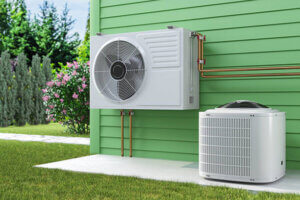
Considering a heat pump for your home? Heat pumps provide both heating and cooling in one system, and they can offer an energy-efficient alternative to some traditional HVAC setups. However, the right choice depends on your home’s layout, existing equipment, budget, and heating and cooling needs.
Understanding the heat pump pros and cons can help you decide whether this type of system deserves a closer look. For homeowners in St. Louis and surrounding communities, it is also important to consider how a heat pump will perform through hot, humid summers and cold winter weather.
Galmiche & Sons helps homeowners explore heating and cooling options suited to their properties. This guide covers the main advantages and limitations of heat pumps, along with practical factors to consider before making a decision.
To learn more about choosing the right heat pump, see our heat pump buyers guide.
The Pros of Heat Pumps
Heat pumps offer several benefits that make them worth considering when installing a new HVAC system or replacing older equipment.
1. One System Provides Heating and Cooling
One of the biggest advantages of a heat pump is its ability to heat and cool your home using the same equipment. In summer, it moves heat from indoors to the outdoors. In winter, it transfers available heat from outdoor air into your home.
This can simplify your home’s heating and cooling setup compared with using a separate air conditioner and furnace. Depending on your existing equipment and installation needs, a heat pump may provide an opportunity to consolidate your system.
Learn more about the process in our How Heat Pumps Work guide.
2. Potential for Energy Efficiency
Heat pumps transfer heat rather than relying entirely on fuel combustion or electric resistance to generate warmth. Under suitable operating conditions, this can allow them to deliver more heating energy than the electrical energy they consume.
Actual efficiency depends on the model, outdoor temperature, system design, installation quality, and how the home is used. Utility rates also influence operating costs, so efficiency does not automatically mean every homeowner will save money.
Our Heat Pump Efficiency Ratings Explained guide will help you understand the ratings used to compare equipment. You can also learn more about how heat pump maintenance improves efficiency.
3. Flexible Equipment Options
There are several types of heat pumps, making it possible to consider different configurations for different homes.
- Ducted air-source heat pumps can distribute heating and cooling through suitable existing ductwork.
- Ductless mini-split heat pumps can serve homes without conventional ducts or provide conditioning for specific rooms and zones.
- Dual-fuel systems combine a heat pump with a furnace for homeowners who want to retain a separate heating source.
The right configuration depends on your home’s layout, existing HVAC equipment, and comfort requirements. Learn more about different Types of Heat Pumps.
4. Potential for Consistent Indoor Comfort
Some heat pumps offer variable-speed or multi-stage operation, allowing the system to adjust output based on heating and cooling demand. Depending on the equipment and installation, this can help maintain more consistent indoor temperatures and support humidity control during cooling.
However, comfort depends on more than the equipment itself. Proper sizing, airflow, ductwork, insulation, and installation all play important roles.
Learn more about heat pumps and indoor air quality.
5. An Option for Homes Moving Toward Electric Heating
An all-electric heat pump does not burn fuel inside the home to provide heating. For homeowners interested in reducing their reliance on on-site combustion, this may be an important consideration.
The environmental impact and overall cost depend on factors such as electricity generation, equipment efficiency, local energy prices, and the system being replaced.
Learn more about high efficiency heat pump replacement and the benefits of heat pump energy savings.
The Cons of Heat Pumps
Although heat pumps offer meaningful benefits, they also have limitations. Understanding these considerations can help you avoid choosing a system that does not fit your home or expectations.
1. Upfront Installation Costs Can Be Significant
The cost of installing a heat pump varies based on equipment type, system capacity, efficiency, and installation complexity. Ductwork modifications, electrical upgrades, or other home improvements can add to the total investment.
Replacing an existing air conditioner and furnace may involve different costs than installing a heat pump in a home without ductwork. Geothermal systems have additional site and ground-loop requirements.
When comparing estimates, look at the complete scope of work rather than equipment price alone. Our Heat Pump Installation Cost guide will explore the factors that influence pricing.
2. Cold-Weather Performance Varies
Heat pumps can provide heating during cold weather, including temperatures below freezing. However, heating capacity and efficiency vary by model and outdoor temperature.
Some systems may need supplemental heating during particularly cold conditions. A dual-fuel system can also use a compatible furnace to help meet heating demands when appropriate.
For St. Louis homeowners, equipment selection should account for winter temperatures as well as summer cooling needs. Learn more about Heat Pump Performance in Cold Weather for more information.
3. Your Home Must Be Suitable for the System
A heat pump’s performance depends partly on the home it serves. Poor insulation, significant air leaks, unsuitable ductwork, or inadequate airflow can affect comfort and energy use.
Some homes may need improvements before a new system can perform as intended. Others may benefit from a ductless configuration or a dual-fuel setup instead of a direct replacement for the existing equipment.
A professional evaluation can help identify these considerations before you commit to a system.
Learn more about ducted vs. ductless heat pump systems.
4. Installation Requires Careful Planning
Choosing a heat pump involves more than selecting a brand or efficiency rating. The system must be sized appropriately, installed according to manufacturer requirements, and configured for the home’s heating and cooling needs.
Incorrect sizing or installation can contribute to comfort problems, unnecessary cycling, and reduced performance. It is important to work with an HVAC professional who evaluates the property and explains why a particular system is recommended.
Learn more about heat pump sizing and choosing the right system.
5. Heat Pumps Still Need Maintenance and Repairs
Like any heating and cooling system, a heat pump requires regular care. Filters need attention, the outdoor unit must remain clear of obstructions, and professional inspections can help identify developing problems.
Heat pumps also contain electrical controls, refrigerant circuits, and mechanical components that may require specialized troubleshooting. Maintenance and repair costs vary based on system condition, usage, and the work needed.
Learn more about heat pump maintenance or check out our heat pump safety tips to learn more.
How to Weigh the Heat Pump Pros and Cons for Your Home
The best way to evaluate a heat pump is to consider the advantages alongside the needs and limitations of your property.
Before making a decision, think about the following:
- Your existing equipment: Are you replacing a furnace and air conditioner, upgrading an older heat pump, or installing a system in a home without ducts?
- Your comfort priorities: Do you have rooms that are difficult to heat or cool, or do you want more consistent temperatures?
- Your budget: Consider installation costs, potential home modifications, energy use, and expected maintenance.
- Your local climate: The system should be suited to both summer cooling and winter heating demands in the St. Louis area.
- Your home’s condition: Insulation, air leakage, windows, and ductwork can influence performance.
- Your long-term plans: Consider how long you expect to stay in the home and what you want from your heating and cooling investment.
A professional assessment can help you compare suitable equipment options and understand the trade-offs involved. Rather than assuming every heat pump will deliver the same results, evaluate the system based on your home’s specific requirements.
Frequently Asked Questions About Heat Pump Advantages and Disadvantages
One major advantage is that a heat pump can provide both heating and cooling in one system. Heat pumps can also operate efficiently under suitable conditions because they transfer heat rather than generating it entirely through combustion or electric resistance.
There is no single disadvantage that applies to every home. Upfront installation costs, cold-weather performance, equipment compatibility, and the need for appropriate sizing can all affect whether a heat pump is a suitable choice.
Many heat pumps can provide effective heating during St. Louis winters, but performance varies by model and outdoor temperature. Selecting equipment appropriate for local conditions and determining whether supplemental heating is needed are important parts of the decision. Learn more about heat pumps in Missouri.
In some homes, an appropriately selected heat pump can replace both systems. In other situations, a dual-fuel system that retains a furnace may be worth considering. A professional assessment can help determine which configuration is suitable for your property.
Explore Heat Pump Options With Galmiche & Sons
Heat pumps offer several potential advantages, including year-round heating and cooling, flexible system configurations, and the potential for efficient operation. However, installation requirements, cold-weather performance, and home compatibility are important considerations.
The right choice depends on your property and priorities, not just general claims about efficiency or savings. Galmiche & Sons helps homeowners in St. Louis and surrounding communities explore heating and cooling solutions suited to their homes.
Contact Galmiche & Sons to discuss the pros and cons of installing a heat pump in your home, explore your options, or learn more about professional heat pump services in the St. Louis area.