
Your heat pump has to work efficiently to keep your St. Louis home comfortable through hot summers and cold winters. When the system is operating properly, it can provide heating and cooling without unnecessary strain. However, dirt, restricted airflow, worn components, and other developing issues can affect performance and cause the system to work harder than it should.
This is where preventive maintenance can make a difference.
Understanding the relationship between heat pump maintenance and efficiency can help homeowners recognize why routine professional service matters. Maintenance cannot guarantee lower utility bills or eliminate every efficiency problem, but keeping a heat pump properly maintained can help support efficient operation and consistent performance.
For St. Louis homeowners, this is particularly important because a heat pump may operate extensively throughout the year to handle Missouri’s changing temperatures.
To learn more or schedule heat pump maintenance in St. Louis, contact our experts today.
What Does Heat Pump Maintenance Have to Do With Efficiency?
A heat pump transfers heat rather than creating it through combustion. During summer, it moves heat out of your home to provide cooling. During winter, the process reverses to move heat into your home.
For this process to work properly, the system’s components need to operate together effectively.
When airflow is restricted, components become excessively dirty, electrical issues develop, or other problems affect system operation, the heat pump may have to work harder or run longer to achieve the desired temperature.
Professional maintenance provides an opportunity to inspect the equipment, evaluate its operation, and identify conditions that could interfere with performance.
5 Ways Maintenance Can Support Heat Pump Efficiency
1. Maintaining Proper Airflow
Airflow is one of the most important factors affecting HVAC performance.
A dirty air filter, blocked return, or other restriction can reduce the amount of air moving through the system. When airflow is inadequate, your heat pump may have to operate longer to maintain the temperature you selected.
Homeowners can help maintain airflow by changing filters regularly and keeping supply vents and return grilles unobstructed.
During professional maintenance, a technician can also evaluate airflow and look for conditions that may require further attention.
If you want to handle basic maintenance yourself, our DIY Heat Pump Maintenance Tips explain which tasks homeowners can safely perform.
2. Keeping Components Clean
Dirt and debris can accumulate on HVAC components over time. Dirty coils and other affected components can interfere with heat transfer and system performance.
A professional technician can inspect the condition of the equipment and determine whether cleaning or additional service is appropriate.
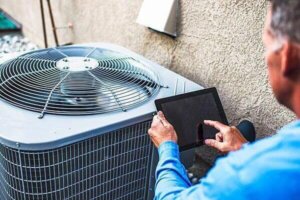
The outdoor unit deserves particular attention because it is exposed to leaves, grass clippings, dirt, and other debris. Keeping the area around the unit clear is one simple task homeowners can perform between professional service visits.
3. Identifying Problems That Affect Performance
A heat pump does not necessarily stop working when its efficiency begins to decline.
You may notice longer run times, inconsistent temperatures, reduced airflow, or rising energy use before the equipment experiences a complete failure.
These changes can have several possible causes. Preventive maintenance gives an HVAC technician an opportunity to evaluate the system and identify conditions that could be affecting performance.
The sooner a known problem is addressed, the less likely you are to continue operating the system under unfavorable conditions.
Learn more about what happens if you don’t maintain your heat pump.
4. Checking Electrical and Mechanical Components
Heat pumps rely on a combination of electrical, mechanical, and control components.
Problems with connections, controls, motors, or other components can affect how the system operates. A professional maintenance appointment can include inspecting appropriate components and evaluating system operation.
Homeowners should not attempt electrical repairs themselves. These components should be evaluated and serviced by a qualified HVAC professional.
5. Supporting Consistent Heating and Cooling
Efficiency is not simply about energy consumption. Your heat pump also needs to deliver the heating and cooling your home requires.
A system that runs excessively or struggles to reach the thermostat setting may not be operating as effectively as it should.
Regular maintenance can help identify factors that interfere with consistent performance, allowing homeowners to address potential concerns before they become larger problems.
Signs Your Heat Pump May Be Losing Efficiency
Sometimes homeowners notice that something feels different before they know there is an HVAC problem.
Watch for signs such as:
- The heat pump runs longer than it normally does
- The system struggles to reach the thermostat setting
- Certain rooms feel consistently warmer or cooler
- Airflow from vents seems weaker
- Energy use appears higher than expected
- The outdoor unit is excessively dirty
- The system cycles on and off more frequently
- You hear unfamiliar noises during operation
These symptoms do not automatically mean that maintenance will solve the problem. They can have many causes, including equipment age, ductwork, thermostat issues, weather conditions, or mechanical problems.
If your heat pump is already experiencing a significant performance issue, professional heat pump repair may be more appropriate than waiting for routine maintenance.
Why Efficiency Matters in St. Louis
St. Louis homeowners experience significant seasonal temperature changes. Summer can bring hot, humid conditions that require substantial cooling, while winter can bring periods of freezing temperatures and increased heating demand.
Because a heat pump can handle both heating and cooling, it may operate through most of these seasonal changes.
An inefficient system may need to run longer to maintain the desired indoor temperature. That can affect comfort and contribute to increased operating costs.
Routine maintenance is one part of a larger strategy for supporting efficient HVAC operation.
Proper equipment sizing, insulation, ductwork, thermostat settings, home energy efficiency, and outdoor weather conditions can all affect how efficiently a heat pump operates.
Does Maintenance Lower Your Energy Bills?
Professional maintenance can help support efficient system operation, but it is important to set realistic expectations.
Maintenance does not guarantee a specific reduction in your utility bills. Energy costs are affected by many factors, including outdoor temperatures, thermostat settings, home size, insulation, equipment efficiency, system age, electricity rates, and how frequently the heat pump operates.
What maintenance can do is help identify conditions that may cause the equipment to work harder than necessary.
Keeping the system in good operating condition is therefore one practical part of managing overall HVAC efficiency.
Maintenance vs. a Heat Pump That Needs Replacement
Maintenance can help an existing heat pump operate properly, but it cannot reverse normal equipment aging.
Older heat pumps may naturally become less efficient as components wear and technology advances. If your system requires frequent repairs, struggles to maintain comfort, or has reached the later part of its service life, it may be worth discussing your options with an HVAC professional.
Maintenance can still be valuable while you own the system because it provides information about its condition.
However, if the primary issue is an aging or inefficient heat pump, replacing the equipment may eventually provide an opportunity for improved performance.
Learn more about the benefits of replacing an old heat pump before it breaks down.
How Professional Maintenance Supports Efficiency
Professional maintenance provides a more comprehensive evaluation than the basic tasks homeowners can perform themselves.
Depending on the system and its condition, a professional heat pump tune-up may include:
- Inspecting electrical connections and components
- Evaluating airflow
- Checking system controls
- Inspecting indoor and outdoor components
- Evaluating refrigerant-related operation
- Checking overall heating and cooling performance
- Looking for signs of wear or abnormal operation
The exact procedures vary based on the equipment and its needs.
For a more detailed explanation of what happens during service, see Professional Heat Pump Tune-Ups: What Is Included?
Frequently Asked Questions About Heat Pump Maintenance and Efficiency
Proper maintenance can help support efficient operation by identifying conditions such as restricted airflow, dirty components, or other equipment issues that may interfere with performance. However, maintenance does not guarantee a specific energy savings.
A dirty or poorly maintained system may have to work harder to provide the desired heating or cooling. Other factors can also affect energy use, so a professional evaluation is the best way to determine whether equipment condition is contributing to the problem.
A clean, appropriate filter helps support proper airflow. If a filter is excessively dirty and restricting airflow, replacing it can help the system operate under better conditions.
Many homeowners schedule professional maintenance twice a year, generally in spring and fall. The appropriate frequency can vary based on your system, usage, age, and operating conditions.
Maintenance can help an older system operate properly, but it cannot eliminate the effects of age or outdated equipment technology. If an older heat pump remains inefficient despite proper maintenance, an HVAC professional can help you evaluate whether repair or replacement makes more sense.
Keep Your Heat Pump Operating Efficiently
Understanding heat pump maintenance and efficiency can help you make smarter decisions about caring for your HVAC system. While maintenance cannot guarantee lower energy bills or prevent every problem, keeping your equipment clean, properly adjusted, and professionally inspected can support efficient and consistent operation.
For St. Louis homeowners, regular maintenance is especially valuable because your heat pump may need to handle both intense summer cooling and demanding winter heating.
Galmiche & Sons has been serving St. Louis-area homeowners with trusted heating and cooling expertise for generations. Our team can inspect your heat pump, identify potential performance concerns, and help you establish a maintenance schedule appropriate for your equipment.
Contact Galmiche & Sons today to learn more about improving heat pump efficiency through professional maintenance or schedule HVAC service in St. Louis and the surrounding area.