HVAC Repair FAQs: Answers to Common Heating and Cooling Repair Questions
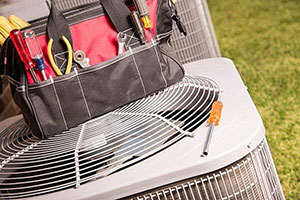
When your heating or cooling system stops working properly, it can quickly affect your home's comfort. Whether your air conditioner is blowing warm air, your furnace will not turn on, or your heat pump is making unusual noises, knowing what to do next can help you avoid additional problems and get your system back up and running.
At Galmiche & Sons, we have provided dependable heating and cooling services to homeowners throughout the St. Louis area since 1950. Our experienced technicians understand the importance of prompt, accurate HVAC repairs and helping homeowners make informed decisions about their equipment.
Below, we answer common HVAC repair questions, explain warning signs to watch for, and offer guidance on when to troubleshoot a problem yourself and when to call a professional.
To schedule HVAC maintenance and repair in St. Louis, contact our team today.
Understanding HVAC Problems and Warning Signs
1. What are the most common HVAC problems homeowners experience?
Heating and cooling systems can develop a variety of problems as components wear down or equipment experiences normal operating stress. Some of the most common HVAC problems include:
- The air conditioner is running but not cooling the home.
- The furnace is running but not producing enough heat.
- The system turns on and off frequently.
- Airflow from the vents is weak or inconsistent.
- The HVAC system makes unusual noises.
- The equipment produces unusual odors.
- The thermostat does not respond or accurately control temperatures.
- The system runs constantly or struggles to maintain the desired temperature.
- Energy bills increase unexpectedly.
Some problems are relatively simple, such as a clogged air filter or incorrect thermostat setting. Others may involve electrical components, motors, refrigerant, or other parts that require professional diagnosis.
If your system is not performing as it should, addressing the problem early can help prevent additional wear and more extensive repairs.
Want to find out more? Read about common furnace problems, common air conditioner problems, or common heat pump problems.
2. How do I know if my HVAC system needs repair?
Your HVAC system may need professional repair if you notice changes in its performance, unusual operating behavior, or signs of mechanical trouble.
Common warning signs include:
- Inconsistent temperatures: Your home is not reaching or maintaining the temperature set on the thermostat.
- Unusual noises: Grinding, banging, buzzing, rattling, or squealing may indicate a loose, damaged, or worn component.
- Strange odors: Persistent burning, musty, or chemical smells should be investigated.
- Reduced airflow: Weak airflow may indicate a clogged filter, blower problem, or restriction in the ductwork.
- Frequent cycling: Your system repeatedly turns on and off instead of completing normal heating or cooling cycles.
- Higher utility bills: An unexpected increase may mean your equipment is working harder than necessary.
- Water around the equipment: Leaks or excess moisture may point to a drainage or condensation problem.
For more guidance, read our article about signs your HVAC system needs repair.
3. Why is my HVAC system running but not heating or cooling?
An HVAC system that runs without adequately heating or cooling your home may have an airflow, thermostat, electrical, or mechanical problem.
Start by checking the thermostat to make sure it is set to the correct mode and temperature. You should also check the air filter and replace it if it is dirty. Make sure supply vents and return-air grilles are not blocked by furniture, rugs, or other objects.
If these basic checks do not resolve the issue, the problem may involve a malfunctioning blower motor, refrigerant issue, compressor, ignition component, or another system part.
Because the cause can vary depending on the type of equipment, a professional inspection is the best way to identify the problem and determine the appropriate repair.
4. Why does my HVAC system keep turning on and off?
When an HVAC system turns on and off more frequently than normal, the behavior is called short cycling.
Short cycling can have several causes, including:
- A dirty air filter restricting airflow
- A thermostat problem or improper thermostat placement
- An oversized heating or cooling system
- Refrigerant or coil problems
- Electrical or control issues
- Overheating or safety controls shutting down the equipment
Short cycling can reduce comfort, increase energy consumption, and place additional strain on system components.
Check your air filter and thermostat settings first. If the system continues to short cycle, schedule a professional inspection to identify the underlying issue.
Learn more about short cycling for your furnace, air conditioner, or heat pump.
5. Why is my HVAC system making strange noises?
Different sounds can indicate different problems with heating and cooling equipment.
For example:
- Banging or clanking: May indicate a loose or damaged component.
- Grinding: Can suggest a problem with a motor or moving part.
- Squealing: May be related to a worn belt, bearing, or motor.
- Buzzing: Could indicate an electrical issue or a loose component.
- Rattling: May be caused by loose panels, fasteners, or debris.
- Hissing: Could indicate an air leak or, in some situations, a refrigerant-related problem.
A sudden or unusually loud sound should not be ignored. Turn off the equipment if you suspect a serious mechanical or electrical problem, and have it inspected by a qualified HVAC technician.
Check out our guides to HVAC noises and heat pump noises to find out more about what these different noises mean.
6. Why is my HVAC system causing my energy bills to increase?
A sudden increase in heating or cooling costs may mean your HVAC system is working harder than it should.
Possible causes include dirty air filters, restricted airflow, malfunctioning components, refrigerant problems, thermostat issues, or a system that has lost efficiency over time. Changes in outdoor temperatures, utility rates, and household usage can also affect energy bills.
If your energy costs have increased without an obvious explanation, a professional HVAC inspection can help determine whether an equipment problem is contributing to the higher bills.
HVAC Troubleshooting and Safety
7. What should I check before calling an HVAC repair technician?
Before scheduling HVAC repair, there are a few basic things you can safely check:
- Check the thermostat: Make sure it is set to the correct heating or cooling mode and temperature. Replace the batteries if needed.
- Inspect the air filter: A clogged filter can restrict airflow and affect system performance. Replace it if it is dirty.
- Check the circuit breaker: Look for a tripped breaker. If it trips again after being reset, do not continue resetting it. Contact a professional.
- Check the vents: Make sure supply vents and return grilles are open and unobstructed.
- Look for visible obstructions: Check that the outdoor unit is not blocked by leaves, grass, or other debris.
If these basic steps do not solve the problem, the issue may require professional diagnosis. Do not attempt to repair electrical components, refrigerant lines, gas connections, or internal mechanical parts yourself.
Learn more troubleshooting tips for your AC or furnace.
8. Is it safe to keep running my HVAC system if it is not working properly?
It depends on the problem. Some minor issues may not require immediately shutting down the equipment, but continuing to operate a malfunctioning system can sometimes cause additional damage.
Turn off your HVAC system and contact a professional if you notice:
- A burning or electrical odor
- Smoke or sparks
- Loud grinding, banging, or other severe mechanical noises
- Repeated circuit breaker trips
- Water leaking near electrical components
- A furnace that appears to have a combustion or venting problem
If you smell natural gas, leave the home and contact your gas utility or emergency services from a safe location. Do not operate electrical switches or attempt to investigate the source of the odor.
If a carbon monoxide alarm sounds, leave the home immediately and contact emergency services. Never assume the alarm is caused by a minor HVAC issue.
9. Can I repair my HVAC system myself?
Homeowners can perform some basic maintenance and troubleshooting tasks, but most HVAC repairs should be handled by a qualified professional.
Safe homeowner tasks may include:
- Replacing or cleaning air filters according to manufacturer instructions
- Changing thermostat batteries
- Keeping supply vents and return grilles clear
- Removing loose leaves and debris from around the outdoor unit
- Checking thermostat settings
- Keeping the area around indoor and outdoor equipment unobstructed
More complicated repairs involving electrical connections, refrigerant, gas lines, motors, compressors, or internal components require specialized knowledge and equipment.
Attempting these repairs without proper training can create safety risks, damage the system, or make the original problem worse. When in doubt, contact an HVAC professional.
Learn more about when to call an HVAC technician vs. DIY repair.
10. Should I turn off my HVAC system if it is leaking water?
If you notice water leaking from your air conditioner, furnace, or heat pump, it is generally best to turn off the equipment and arrange for an inspection, especially if water is accumulating near electrical components.
Water leaks can result from a clogged condensate drain, damaged drain line, frozen evaporator coil, or other drainage and equipment problems.
Do not attempt to open electrical compartments or disassemble the equipment to locate the leak. A technician can identify the source, make the necessary repairs, and check for any related damage.
Air Conditioner, Furnace, and Heat Pump Repair Questions
11. Why is my air conditioner running but not cooling?
An air conditioner that runs without cooling your home may have several possible problems.
Common causes include:
- A dirty air filter restricting airflow
- A dirty evaporator or condenser coil
- Low refrigerant caused by a leak
- A malfunctioning compressor
- A faulty thermostat
- Electrical or control problems
- A frozen evaporator coil
You can start by checking the thermostat, replacing a dirty filter, and making sure the outdoor unit has adequate clearance. If the system still does not cool properly, professional air conditioner repair may be necessary.
Galmiche & Sons provides air conditioner repair services in St. Louis to diagnose and resolve cooling problems.
For additional troubleshooting information, see our articles about common air conditioner problems and warning signs you need AC repair.
12. Why is my furnace running but not producing heat?
If your furnace turns on but does not provide enough heat, the cause could be something relatively simple or a more serious mechanical issue.
Possible causes include:
- A dirty air filter restricting airflow
- An incorrect thermostat setting
- A malfunctioning ignition system or pilot light
- A problem with the gas supply
- A faulty limit switch
- A malfunctioning blower motor
- A problem with the furnace control board
Check your thermostat and air filter first. If the furnace still does not produce heat, avoid attempting to troubleshoot gas or electrical components yourself.
Galmiche & Sons offers professional furnace repair services to help restore dependable heating.
You can also learn more about common furnace problems and their warning signs.
13. Why is my heat pump blowing cold air in heating mode?
A heat pump can sometimes produce air that feels cooler than the warm air delivered by a traditional furnace. This is because heat pumps generally provide a steady flow of moderately warm air rather than short bursts of very hot air.
However, if your home is not warming up or the air coming from the vents is unusually cold, there may be a problem.
Possible causes include:
- Incorrect thermostat settings
- A dirty air filter restricting airflow
- A malfunctioning reversing valve
- Low refrigerant caused by a leak
- A problem with the outdoor unit
- An issue with the auxiliary heating system
Some temporary changes in operation are normal during a heat pump's defrost cycle. If the system continues to struggle to heat your home, schedule a professional inspection.
Galmiche & Sons provides heat pump repair services throughout the St. Louis area.
Read more about why a heat pump may blow cold air and common heat pump problems and solutions.
14. What should I do if my air conditioner or furnace stops working completely?
If your heating or cooling system stops working, start with a few basic checks. Verify the thermostat settings, inspect the air filter, and check the circuit breaker.
If the equipment still will not turn on, avoid repeatedly resetting the breaker or attempting to open the equipment. A complete system shutdown can be caused by electrical problems, safety switches, control failures, or mechanical issues that require professional attention.
If you have no air conditioning during hot weather or no heat during cold weather, contact an HVAC company promptly to discuss service options.
Galmiche & Sons provides repair services for residential air conditioners, furnaces, and heat pumps throughout the St. Louis area.
HVAC Repair Costs, Timing, and Service
15. How much does HVAC repair cost?
HVAC repair costs vary depending on the type of equipment, the nature of the problem, the parts required, and the complexity of the repair.
A minor repair involving a simple component may cost significantly less than replacing a major part such as a compressor, blower motor, or control board.
Other factors that can affect repair costs include:
- The age and condition of the system
- Whether replacement parts are readily available
- The time required to diagnose and complete the repair
- Whether the repair is needed outside normal service hours
- The type and brand of HVAC equipment
The best way to understand the cost of a repair is to have a qualified technician diagnose the problem and explain the recommended work.
For more information about specific repair costs, see our guides to air conditioner repair costs and furnace repair costs. You can also learn more about heat pump repair costs.
16. How long does an HVAC repair usually take?
The time required to complete an HVAC repair depends on the type of problem and whether replacement parts are available.
Some straightforward repairs can be completed during a single service visit. More complicated problems may require additional diagnostic work, specialized parts, or a follow-up appointment.
For example, replacing an accessible component may be relatively quick, while diagnosing an intermittent electrical problem or repairing a major system component may take longer.
Your technician should be able to explain the issue, the recommended repair, and the expected timeframe after inspecting the equipment.
17. Does Galmiche & Sons offer emergency HVAC repair?
Heating and cooling problems do not always happen at convenient times. A furnace failure during freezing weather or an air conditioner breakdown during a summer heatwave can create an urgent comfort concern.
Galmiche & Sons provides HVAC repair services in the St. Louis area and offers emergency air conditioner repair when needed. If your system stops working, contact our team to discuss the problem and available service options.
For additional guidance, read our articles on what to do before calling for emergency air conditioner repair and emergency furnace repair. Or check out our guide to emergency heat pump repair.
18. What should I expect during an HVAC repair appointment?
A professional HVAC repair appointment generally begins with a discussion of the symptoms you have noticed. The technician will then inspect the equipment, perform diagnostic tests, and work to identify the underlying cause of the problem.
Once the issue has been identified, the technician should explain the recommended repair and any available options. After you approve the work, the necessary repair can be completed, followed by testing to verify that the system is operating properly.
A thorough diagnosis is important because fixing only the visible symptom without addressing the underlying cause may allow the problem to return.
19. Does my HVAC system need to be replaced if it requires frequent repairs?
Not necessarily, but repeated repairs may indicate that your equipment is nearing the end of its useful life or experiencing ongoing problems.
When deciding whether to repair or replace an HVAC system, consider:
- The age of the equipment
- How frequently it has needed repairs
- The cost of the current repair
- The system's overall condition and efficiency
- Whether it provides consistent comfort
- Whether replacement parts are still available
A newer system with an isolated problem may be worth repairing. An older system that requires frequent, expensive repairs may be a better candidate for replacement.
A qualified HVAC technician can help you compare the costs and benefits of both options. For more information, read our guides to air conditioner repair versus replacement and heat pump repair versus replacement.
Preventing HVAC Problems and Future Repairs
20. How can I prevent common HVAC problems?
Although no system is completely immune to breakdowns, regular maintenance can help reduce the likelihood of unexpected repairs.
Homeowners can help protect their equipment by:
- Replacing or cleaning air filters regularly.
- Keeping indoor vents and return grilles clear.
- Keeping outdoor equipment free of leaves, grass, and debris.
- Paying attention to unusual noises, odors, and changes in performance.
- Keeping the thermostat set appropriately.
- Scheduling professional maintenance as recommended.
Routine maintenance allows a technician to inspect important components, identify developing problems, and help keep the equipment operating efficiently.
Learn more about what to include in your routine care with our complete HVAC system maintenance checklist.
21. How often should I schedule HVAC maintenance?
Most residential heating and cooling systems should receive professional maintenance at least once a year. For systems that provide both heating and cooling, scheduling service before the major heating and cooling seasons helps prepare the equipment for periods of heavier use.
For example, air conditioners should generally be checked in spring before summer temperatures arrive, while furnaces should be inspected in fall before the heating season begins. Heat pumps operate throughout the year and benefit from regular seasonal attention.
Maintenance recommendations can vary by equipment type and manufacturer. Follow your system's maintenance requirements and ask your HVAC technician about the best service schedule for your home.
Visit our HVAC maintenance services page to learn more about keeping your heating and cooling equipment in good condition.
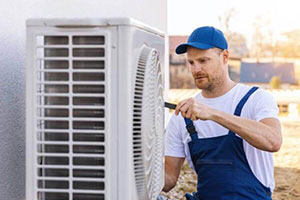
Get Reliable HVAC Repair in St. Louis from Galmiche & Sons
When your heating or cooling system is not working properly, getting the right diagnosis and repair can make all the difference. Whether you are dealing with an air conditioner that will not cool, a furnace that will not heat, or a heat pump that is struggling to maintain comfortable temperatures, the experienced team at Galmiche & Sons is ready to help.
Serving homeowners throughout the St. Louis area since 1950, we are committed to providing dependable HVAC service and practical recommendations to restore your home's comfort.
Need help with an HVAC problem? Call Galmiche & Sons at 314-993-1110 or request service online. Our team can help you schedule the service you need.
Explore More HVAC FAQs
Have additional questions about your home's heating and cooling system? Explore our HVAC FAQs for more information.


Read our Reviews: