Commercial HVAC FAQs: Answers to Common Commercial Heating and Cooling Questions
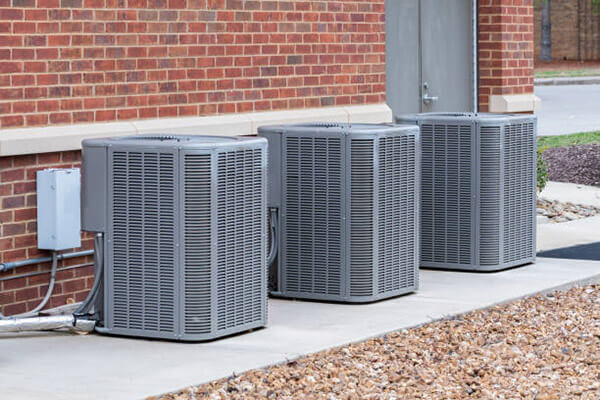
Commercial heating and cooling systems play an important role in maintaining comfortable, productive, and safe business environments. Whether you manage an office building, retail space, warehouse, apartment complex, or industrial facility, choosing the right HVAC equipment and keeping it properly maintained can affect operating costs, energy efficiency, and the comfort of everyone who uses your building.
At Galmiche & Sons, we provide commercial HVAC services throughout the St. Louis area, including system design and installation, repairs, and preventative maintenance. We have been serving the area since 1950 and have experience with a wide range of commercial heating and cooling projects.
Below, we answer common questions about commercial HVAC systems, maintenance, repairs, installation, and energy efficiency. If you need help with a specific commercial heating or cooling concern, contact Galmiche & Sons to discuss your building's needs.
Understanding Commercial HVAC Systems
1. What is a commercial HVAC system?
A commercial HVAC system is the heating, ventilation, and air conditioning equipment used to regulate indoor temperatures, airflow, and humidity in commercial buildings. These systems serve properties such as offices, retail stores, restaurants, warehouses, apartment complexes, and industrial facilities.
Commercial HVAC systems are often larger and more complex than residential systems because they must accommodate larger spaces, varying occupancy levels, different operating schedules, and multiple temperature zones.
Depending on the building, a commercial HVAC system may include rooftop units, split systems, furnaces, air conditioning equipment, ductwork, thermostats, ventilation equipment, and other components.
Learn more about commercial HVAC systems.
2. What is the difference between commercial and residential HVAC systems?
The primary differences involve system size, capacity, design, and operating requirements.
Residential HVAC systems are designed to maintain comfort in individual homes. Commercial systems must often serve much larger spaces and account for changing occupancy, business hours, equipment heat loads, ventilation requirements, and different temperature needs throughout a building.
Commercial systems may also include multiple units, specialized controls, zoning, and custom ductwork. Proper system design is important to ensure that equipment can meet the building's heating and cooling demands without wasting energy.
3. What types of commercial HVAC systems are available?
Several types of commercial HVAC systems are available, and the right choice depends on the building's size, layout, use, existing infrastructure, and heating and cooling requirements.
Common options include:
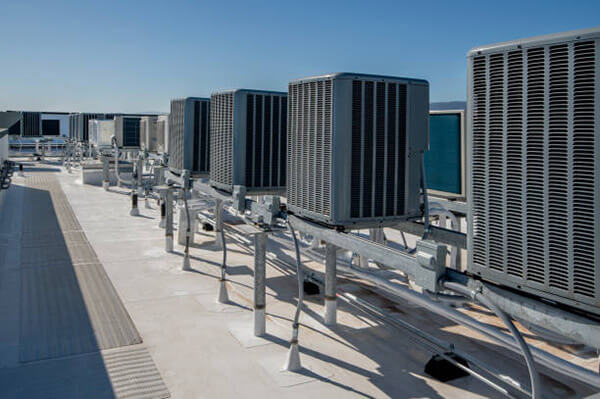
- Rooftop units (RTUs): Packaged heating and cooling equipment installed on a building's roof. These systems are commonly used in retail spaces, offices, and other commercial properties.
- Split systems: Separate indoor and outdoor components that work together to provide heating and cooling.
- Packaged systems: Heating and cooling components housed in one unit, often installed outdoors or on a rooftop.
- Custom HVAC systems: Systems designed around a building's specific requirements, which may include specialized equipment, ductwork, and controls.
Learn more about comparing types of commercial HVAC systems and the factors involved in selecting the right equipment for your property.
4. What is a commercial HVAC zoning system?
A commercial HVAC zoning system divides a building into separate areas, or zones, that can be heated or cooled independently. Each zone may have its own thermostat or control settings.
Zoning can be useful in buildings where different areas have different comfort requirements. For example, an office with conference rooms, individual offices, and common areas may experience varying heating and cooling demands throughout the day.
A properly designed zoning system can help improve comfort and reduce unnecessary heating and cooling. Read more about commercial HVAC zoning systems.
Commercial HVAC Design, Installation, and Replacement
5. How do I know what size commercial HVAC system my building needs?
Commercial HVAC equipment must be sized according to the building's specific heating and cooling requirements. Square footage is one consideration, but it is not the only factor.
A professional evaluation may consider:
- Building size, layout, and ceiling height
- Insulation and building envelope
- Window size, placement, and exposure to sunlight
- Occupancy and typical business hours
- Lighting, computers, machinery, and other heat-producing equipment
- Ventilation requirements
- Existing ductwork and HVAC infrastructure
A system that is too small may struggle to maintain comfortable temperatures. An oversized system can cycle inefficiently, waste energy, and create temperature or humidity problems.
Professional load calculations help determine the appropriate equipment capacity. See our commercial HVAC sizing guide for more information.
6. Can an existing commercial HVAC system be upgraded or modified?
Yes. In many cases, an existing commercial HVAC system can be upgraded or modified rather than completely replaced. The best approach depends on the equipment's condition, the building's current needs, and the improvements you want to make.
Possible upgrades include replacing outdated equipment, improving ductwork, modifying system layouts, adding zoning, or retrofitting components to improve performance.
For older buildings, a customized solution may be necessary to accommodate the existing structure and provide more consistent heating and cooling.
Galmiche & Sons can evaluate your building and discuss options for custom commercial HVAC systems.
7. When should a commercial HVAC system be replaced?
A commercial HVAC system may need replacement when it becomes unreliable, inefficient, or too expensive to maintain.
Common signs that replacement may be worth considering include:
- Frequent or increasingly expensive repairs
- Inconsistent heating and cooling throughout the building
- Rising energy bills without a clear explanation
- Equipment that struggles to maintain the desired temperature
- Major component failures
- Equipment that has reached the end of its expected service life
Age alone does not determine whether a system should be replaced. A professional assessment can help compare the cost of continued repairs with the long-term benefits of installing new equipment.
For more guidance, read Commercial HVAC System Lifespan: When to Repair vs. Replace and The True Cost of Commercial HVAC Replacement.
8. What is involved in a commercial HVAC installation project?
Commercial HVAC installation involves more than selecting and connecting heating and cooling equipment. The process should begin with an evaluation of the building and its requirements.
Depending on the project, the work may include:
- Evaluating the building's layout, occupancy, and heating and cooling needs.
- Performing load calculations to determine the appropriate equipment size.
- Designing the system and planning ductwork and equipment placement.
- Selecting equipment that meets the property's performance and efficiency goals.
- Installing the HVAC equipment and associated components.
- Testing the completed system and checking its operation.
For new construction, remodeling, and tenant finish projects, a design/build approach can help coordinate the planning, engineering, fabrication, and installation process.
Learn more about commercial HVAC design and installation or read our article about commercial HVAC system installation.
Commercial HVAC Maintenance and Preventative Service
9. How often should a commercial HVAC system be serviced?
Most commercial HVAC systems benefit from professional maintenance at least twice a year, typically before the cooling and heating seasons. However, the ideal schedule depends on the equipment, building use, operating hours, environmental conditions, and manufacturer's recommendations.
Some commercial properties may require more frequent inspections or filter changes, particularly when equipment operates for extended hours or serves environments with higher dust or contaminant levels.
Regular maintenance helps identify developing problems, maintain system performance, and reduce the risk of unexpected breakdowns.
For additional guidance, read How Often Should You Schedule Commercial HVAC Service?
10. What is included in commercial HVAC preventative maintenance?
A professional commercial HVAC maintenance visit may include inspecting, cleaning, testing, and adjusting important system components. The exact tasks depend on the type of equipment and the property's maintenance requirements.
Common maintenance tasks include:
- Inspecting heating and cooling equipment
- Checking and replacing air filters as needed
- Cleaning coils and other components
- Inspecting electrical connections and controls
- Checking thermostat operation and system settings
- Inspecting condensate drains and drainage components
- Checking airflow and system performance
- Looking for signs of wear, damage, or developing problems
For commercial properties, maintenance should also account for equipment operating schedules, building occupancy, and the needs of different areas within the facility.
See our commercial HVAC preventative maintenance tips for additional recommendations.
11. How often should commercial HVAC air filters be changed?
Commercial HVAC filters should be checked regularly and replaced according to the filter manufacturer's recommendations, system requirements, and building conditions.
Some filters may need to be changed monthly, while others can last longer. Factors such as building occupancy, outdoor air quality, construction activity, dust, and the type of business can affect how quickly filters become dirty.
Dirty filters restrict airflow and can make HVAC equipment work harder. They may also contribute to poor indoor air quality and reduced system performance.
A commercial HVAC maintenance schedule can help ensure filters are inspected and replaced at appropriate intervals.
Learn more about how dirty HVAC filters affect HVAC system performance.
12. Is a commercial HVAC maintenance agreement worth it?
A commercial HVAC maintenance agreement can be a valuable investment for businesses that want a more organized approach to equipment care.
Rather than waiting for something to break, a maintenance agreement establishes a schedule for professional inspections and preventative service. Depending on the agreement, it may include routine equipment checkups, cleaning, filter replacement, and other maintenance tasks.
Benefits may include:
- Identifying developing issues before they become larger problems
- Reducing the likelihood of unexpected equipment breakdowns
- Supporting efficient system operation
- Helping extend equipment service life
- Making maintenance easier to plan and budget
- Minimizing disruptions to normal business operations
Galmiche & Sons offers commercial HVAC maintenance agreements designed to help businesses care for their heating and cooling equipment. Learn more about our commercial HVAC maintenance agreements.
13. Can commercial HVAC maintenance help lower energy costs?
Yes. Proper maintenance can help commercial HVAC equipment operate more efficiently, which may reduce unnecessary energy use.
Dirty coils, clogged filters, incorrect thermostat settings, restricted airflow, and worn components can all affect system performance. When equipment has to work harder to maintain the desired indoor temperature, energy consumption may increase.
Routine professional service helps identify these issues and keep equipment operating as intended. Other improvements, such as upgrading older equipment, correcting ductwork problems, and using appropriate zoning or controls, may provide additional opportunities to reduce energy costs.
For more information, see Energy-Efficient Commercial HVAC Systems: How to Lower Utility Bills.
Commercial HVAC Problems, Repairs, and Emergency Service
14. What are common signs that a commercial HVAC system needs repair?
Commercial HVAC problems can affect employee comfort, customer experiences, business operations, and even temperature-sensitive inventory or equipment.
Watch for warning signs such as:
- Uneven temperatures throughout the building
- Weak or inconsistent airflow
- Unusual noises or odors
- Equipment that frequently turns on and off
- Heating or cooling that does not keep up with demand
- Water around indoor equipment or drainage areas
- Unexpected increases in energy bills
- Thermostats or system controls that do not respond properly
Addressing problems early can help prevent additional damage and reduce the risk of a larger disruption. If your system is not operating properly, schedule an evaluation with a commercial HVAC professional.
15. Why is my commercial HVAC system not cooling properly?
A commercial HVAC system may struggle to cool a building for several reasons. Common causes include dirty air filters, restricted airflow, dirty coils, refrigerant problems, thermostat issues, malfunctioning components, or equipment that is not properly sized for the space.
The problem may also involve ductwork, zoning controls, or changing building conditions. For example, an increase in occupancy or the addition of heat-producing equipment can affect cooling demands.
A professional inspection can help identify the source of the problem and determine the appropriate repair. For more information, read Why Your Commercial HVAC System Isn't Cooling Properly.
16. Why is my commercial building not heating evenly?
Uneven heating can occur when different areas of a building receive inconsistent airflow or have different heating demands.
Possible causes include:
- Blocked or restricted air vents
- Dirty air filters
- Ductwork leaks or design problems
- Improperly balanced airflow
- Thermostat placement or control issues
- Equipment that is not appropriately sized for the building
- Zoning problems
In buildings with multiple floors, large open spaces, or rooms with different occupancy levels, maintaining consistent temperatures can be especially challenging.
A commercial HVAC technician can evaluate the system, inspect ductwork and controls, and determine whether adjustments or repairs are needed. You may also benefit from a properly designed commercial HVAC zoning system.
17. What should I do if my commercial HVAC system stops working?
If your commercial HVAC system stops working, first check for simple issues that can be safely addressed, such as an incorrect thermostat setting or a tripped circuit breaker. Check whether the system has power and whether any visible controls indicate an error.
Do not attempt to open electrical panels, handle refrigerant, or perform repairs on equipment unless you are qualified to do so. If you notice smoke, burning odors, sparks, or other signs of an immediate safety concern, keep people away from the equipment and contact the appropriate emergency services or qualified professionals.
If basic checks do not resolve the problem, contact a commercial HVAC service provider. Prompt professional attention can help limit downtime and prevent additional damage.
For additional steps, see Emergency Commercial HVAC Repair: What to Do When Your System Fails.
18. Does Galmiche & Sons offer commercial HVAC emergency service?
Yes. Galmiche & Sons offers emergency service to accommodate commercial customers' needs and schedules. When a heating or cooling system fails, prompt attention can be important for maintaining comfortable conditions and limiting interruptions to business operations.
If your commercial HVAC system is experiencing a serious problem, call 314-993-1110 to discuss the issue and service availability.
You can also learn more about our commercial air conditioner repair services and commercial furnace repair services.
Commercial HVAC Costs, Efficiency, and Choosing a Contractor
19. How much does commercial HVAC repair or installation cost?
Commercial HVAC costs vary significantly depending on the building, equipment, project size, and work involved.
Repair costs depend on the source of the problem, the parts required, equipment accessibility, and the labor needed to complete the work. Installation and replacement costs may depend on equipment capacity, system design, ductwork, controls, building modifications, and other project requirements.
Because commercial properties differ so much, the best way to understand your potential costs is to have the building and equipment evaluated and request a project-specific estimate.
For additional information, read Commercial HVAC Costs: 7 Signs Your System Is Costing You More Than It Should and The True Cost of Commercial HVAC Replacement.
20. How can I make my commercial HVAC system more energy efficient?
Improving commercial HVAC efficiency often involves a combination of regular maintenance, appropriate equipment, and effective system controls.
Some steps that may help include:
- Scheduling regular professional maintenance
- Replacing dirty air filters
- Keeping coils and other components clean
- Checking ductwork for leaks or airflow restrictions
- Using properly calibrated thermostats and controls
- Adjusting operating schedules to match building occupancy
- Considering zoning for areas with different heating and cooling needs
- Evaluating older equipment for potential upgrades
If your energy bills are increasing or your system is struggling to maintain comfortable temperatures, a professional evaluation can help identify opportunities for improvement.
Read more about energy-efficient commercial HVAC systems.
21. How do I choose a commercial HVAC contractor?
Choosing a commercial HVAC contractor is an important decision because your heating and cooling equipment is a significant investment in your property and business operations.
Look for a contractor with experience handling commercial systems and projects similar to yours. It is also helpful to consider the company's qualifications, service capabilities, maintenance options, communication, and ability to work around your business schedule.
Questions to ask a potential contractor include:
- Do you have experience with commercial buildings like mine?
- Can you handle system design, installation, repairs, and maintenance?
- Do you offer preventative maintenance agreements?
- Can you accommodate our operating hours and scheduling needs?
- Will you explain the recommended work and available options?
- Do you have experience with the type of equipment installed in our building?
Galmiche & Sons has served the St. Louis area since 1950 and has completed hundreds of commercial HVAC projects. Learn more about what to look for in a commercial HVAC company.
22. What types of commercial properties does Galmiche & Sons serve?
Galmiche & Sons works on commercial HVAC design/build, installation, repair, and maintenance projects for a variety of commercial properties. Our experience includes office complexes, retail and office centers, apartment complexes, training facilities, and other commercial and industrial spaces.
We focus on small and medium-sized commercial HVAC design, engineering, and construction projects, as well as ongoing service needs.
To learn more about our experience and capabilities, visit our commercial HVAC services page.
Contact Galmiche & Sons for Commercial HVAC Service in St. Louis
Reliable heating and cooling are important to your business, your employees, and the people who visit your property. Whether you need commercial HVAC repairs, preventative maintenance, a system upgrade, or help planning a new installation, working with an experienced HVAC contractor can help you make informed decisions about your equipment.
Galmiche & Sons has provided heating and cooling services in the St. Louis area since 1950. Our team has the experience and capabilities to handle a variety of commercial HVAC needs, from routine service to small and medium-sized design/build projects.
Contact Galmiche & Sons today to discuss your commercial HVAC needs. Call 314-993-1110 or request a quote or service online.
Explore More HVAC FAQs
Have questions about residential heating and cooling systems? Visit our FAQ resources and pages:


Read our Reviews: