
Choosing the right HVAC system is a critical decision for any business. The system you select will impact comfort, energy efficiency, maintenance requirements, and long term operating costs. For many St. Louis businesses, the decision often comes down to rooftop units or split systems.
This commercial HVAC system comparison will help you understand the key differences, advantages, and potential drawbacks of each option so you can make a confident, informed decision.
To learn more or schedule commercial HVAC services in St. Louis, contact our tea today.
Why the Right HVAC System Matters
Your HVAC system is one of the most important investments in your building. A poorly matched system can lead to uneven temperatures, higher utility bills, and ongoing repair issues.
Working with an experienced contractor during your commercial HVAC installation ensures your system is properly selected and designed for your specific building and usage.
What Are Rooftop HVAC Units?
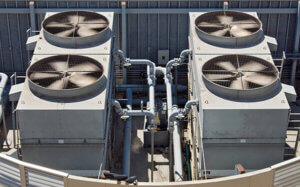
Rooftop units, often referred to as RTUs, are self contained systems installed on the roof of a building. They house all major components in a single unit, including heating and cooling elements.
Advantages of Rooftop Units
- Space saving design that keeps equipment off the ground
- Easier access for maintenance without disrupting interior spaces
- Ideal for large open buildings such as warehouses and retail spaces
- Typically lower installation cost for certain building types
Potential Drawbacks of Rooftop Units
- Exposure to weather can increase wear over time
- May require roof reinforcement depending on system size
- Accessibility challenges in extreme weather conditions
What Are Split HVAC Systems?
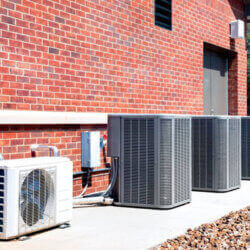
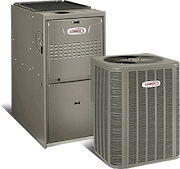
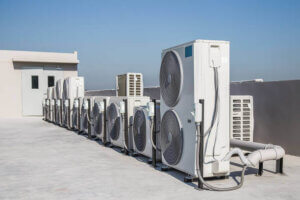
Split systems divide components between an indoor unit and an outdoor unit. These systems are commonly used in office buildings and smaller commercial spaces where zoning and flexibility are important.
Advantages of Split Systems
- Greater flexibility for zoning and temperature control
- Quieter operation inside the building
- Protected indoor components may last longer
- Suitable for buildings with limited roof access
Potential Drawbacks of Split Systems
- More complex installation process
- Requires indoor space for equipment
- Maintenance may involve accessing multiple components
Commercial HVAC System Comparison: Key Factors to Consider
When comparing rooftop units and split systems, several factors should guide your decision.
Building Size and Layout
Large open spaces often benefit from rooftop units, while multi room layouts are better suited for split systems with zoning capabilities.
Energy Efficiency and Operating Costs
Both systems can be energy efficient when properly designed and maintained. However, efficiency depends heavily on correct sizing and installation.
Routine commercial HVAC maintenance is essential for keeping either system operating at peak performance.
Installation Requirements
Rooftop units may be quicker to install in some cases, while split systems require more detailed planning due to multiple components.
Maintenance and Accessibility
Rooftop units allow technicians to work outside the building, minimizing disruption. Split systems may require access to indoor areas during service.
Long Term Flexibility
Split systems often provide more flexibility for expansions or renovations, especially in office environments.
Which System Is Right for Your St. Louis Business?
There is no one size fits all answer. The right choice depends on your building, budget, and operational needs.
For example:
- Retail stores and warehouses often benefit from rooftop units
- Office buildings and multi tenant spaces may prefer split systems
- Facilities with unique temperature needs may require customized solutions
A professional evaluation is the best way to determine the ideal system for your business.
The Importance of Professional Design and Installation
Even the best equipment will underperform if it is not properly installed. Accurate load calculations, proper ductwork design, and expert installation all play a role in system efficiency and longevity.
Learn more about our commercial HVAC installation services to ensure your system is built for long term success.
FAQs About Commercial HVAC System Comparison
It depends on the building and application. Rooftop units can have lower installation costs in some cases, while split systems may offer better long term efficiency for certain layouts.
Both systems can last 10 to 20 years with proper maintenance. Environmental factors and usage play a significant role in lifespan.
Rooftop units are often easier to access for maintenance, but both systems require regular service to perform efficiently. Learn more about how often you should schedule commercial HVAC service.
Yes. Many businesses upgrade from one system type to another during replacement. A professional assessment will determine feasibility and cost. Learn more about commercial HVAC replacement.
Get Expert Guidance on Commercial HVAC Systems in St. Louis
Choosing between rooftop units and split systems is an important decision that impacts your comfort, efficiency, and operating costs for years to come.
Galmiche & Sons provides expert guidance, system design, and professional installation for commercial HVAC systems throughout the St. Louis area. Our team will evaluate your building, explain your options, and recommend the best solution for your needs.
Contact Galmiche & Sons today to schedule a consultation and get expert help with your commercial HVAC system comparison and installation.