
HVAC Maintenance FAQs: Answers to Common Heating and Cooling Maintenance Questions
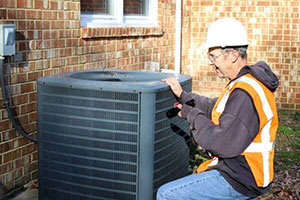
Regular HVAC maintenance is one of the best ways to protect your heating and cooling equipment, improve energy efficiency, and maintain a comfortable home throughout the year. Whether you rely on a central air conditioner, gas furnace, electric furnace, or heat pump, routine inspections and tune-ups help keep your system operating reliably.
But how often should HVAC maintenance be scheduled? What does a professional tune-up include? Which maintenance tasks can homeowners handle themselves? And is a maintenance agreement worth the investment?
At Galmiche & Sons, we have helped homeowners throughout the St. Louis area maintain comfortable, efficient homes since 1950. Below, we answer common HVAC maintenance questions and explain how regular service can help protect your equipment and prevent unexpected problems.
To learn more or schedule HVAC maintenance in St. Louis, contact our team today.
Understanding HVAC Maintenance and Its Benefits
1. What is HVAC maintenance?
HVAC maintenance is the routine inspection, cleaning, testing, and servicing of your home's heating and cooling equipment. The goal is to keep the system operating safely and efficiently while identifying developing problems before they lead to breakdowns.
Depending on the equipment, professional maintenance may include:
- Inspecting system components for wear or damage
- Cleaning indoor and outdoor coils
- Checking and replacing air filters when needed
- Testing thermostat operation
- Inspecting electrical connections and controls
- Checking refrigerant levels and system performance
- Cleaning condensate drains
- Inspecting blower motors and other moving parts
- Testing heating and cooling operation
The specific tasks vary depending on whether you have an air conditioner, furnace, heat pump, or ductless mini-split system.
Learn more about Galmiche & Sons' heating and air conditioner maintenance services.
2. Why is regular HVAC maintenance important?
Your heating and cooling equipment works hard throughout the year, especially in the St. Louis area, where homes experience hot, humid summers and cold winters.
Without regular maintenance, dirt can accumulate, components can wear down, and small performance problems can go unnoticed. Over time, these issues may lead to reduced efficiency, higher utility bills, inconsistent comfort, and unexpected repairs.
Routine HVAC maintenance helps:
- Improve heating and cooling efficiency
- Reduce unnecessary wear on system components
- Identify potential problems early
- Reduce the likelihood of unexpected breakdowns
- Support more consistent indoor comfort
- Maintain cleaner system components and filters
- Extend the useful life of your equipment
Preventive service is generally less disruptive than waiting until your system stops working during extreme weather.
Learn more about the importance of HVAC maintenance.
3. Can HVAC maintenance lower my energy bills?
Yes. A properly maintained HVAC system can operate more efficiently than equipment that has been neglected.
Dirty filters, clogged coils, restricted airflow, and worn components can force your system to work harder to maintain comfortable temperatures. During a professional tune-up, a technician can inspect and address many of these issues.
Regular filter changes, coil cleaning, thermostat testing, and other maintenance tasks help your equipment operate as intended and may reduce unnecessary energy consumption.
Explore more about how HVAC preventative maintenance reduces energy bills.
4. Can regular HVAC maintenance prevent expensive repairs?
Routine maintenance cannot prevent every equipment failure, but it can help reduce the likelihood of many common problems.
During a maintenance visit, a technician may identify worn electrical connections, dirty components, drainage problems, refrigerant issues, or other concerns before they cause a more serious breakdown.
Addressing these issues early can help prevent additional damage and avoid some costly emergency repairs.
For more information, see our article Can Heat Pump Maintenance Prevent Repairs? Or check out our HVAC repair FAQs to learn more about heating and air conditioner repair.
5. Does HVAC maintenance help extend the life of my equipment?
Yes. Regular maintenance helps reduce unnecessary strain on your heating and cooling equipment, which can contribute to a longer service life.
Cleaning components, maintaining proper airflow, checking electrical connections, and identifying developing problems can help prevent avoidable wear and tear.
Although maintenance cannot make equipment last indefinitely, taking care of your system can help you get more reliable service from your investment and delay the need for replacement.
For additional information, read our article about how HVAC maintenance can help extend the life of your system.
For equipment-specific advice, read our guides to extending furnace lifespan and heat pump maintenance.
HVAC Maintenance Scheduling and Frequency
6. How often should I schedule HVAC maintenance?
Most residential heating and cooling equipment should receive professional maintenance at least once a year. Ideally, service should be scheduled before the season when that equipment will be used most.
For a home with a separate central air conditioner and furnace, a typical maintenance schedule includes:
- Air conditioner: Professional maintenance in spring, before summer cooling demands begin.
- Furnace: Professional maintenance in fall, before the heating season begins.
- Heat pump: Professional maintenance twice a year because the system provides both heating and cooling throughout the year.
Your equipment manufacturer's recommendations and the condition of your system may affect the ideal schedule.
For more details, read our guide to how often you should schedule HVAC maintenance.
7. When is the best time of year to schedule HVAC maintenance?
The best time to schedule HVAC maintenance is before the start of the season when you will depend most on your equipment.
Spring is a good time to have your air conditioner inspected and prepared for summer. Fall is the ideal time to schedule furnace maintenance before colder weather arrives.
For heat pumps, scheduling service in both spring and fall helps prepare the system for the upcoming cooling and heating seasons.
Scheduling early also gives you more time to address any problems a technician discovers before extreme temperatures arrive.
To learn more, see our seasonal HVAC maintenance guide.
8. How often should a heat pump be serviced?
Because a heat pump provides both heating and cooling, it operates throughout the year and experiences seasonal demands in both summer and winter.
Galmiche & Sons recommends professional heat pump maintenance twice a year:
- Spring: Prepare the system for summer cooling.
- Fall: Make sure the system is ready to provide reliable heating during colder weather.
Regular service helps maintain efficiency, identify worn components, and check important functions such as the defrost cycle.
Visit our Heat Pump Maintenance page for more information, or read How Often Should a Heat Pump Be Serviced?
9. How often should I schedule furnace maintenance?
Your furnace should receive professional maintenance at least once a year, preferably in the fall before the heating season begins.
A fall inspection gives a technician an opportunity to check important components, inspect safety controls, clean the equipment, and verify that the furnace is operating properly before it is needed during cold weather.
Annual furnace maintenance is important for both gas and electric systems, although the specific inspection and service tasks vary by equipment type.
Learn more about our professional furnace maintenance services.
10. How often should I schedule air conditioner maintenance?
Most central air conditioners should receive professional maintenance once a year, ideally in early spring before the cooling season begins.
A spring tune-up allows a technician to inspect the equipment, clean important components, check refrigerant-related operation, and identify potential problems before the system is working hard during summer.
Older air conditioners or systems that experience unusually heavy use may benefit from more frequent attention.
Visit our Air Conditioner Servicing page to learn more about professional cooling system maintenance.
11. How often should I change my HVAC air filter?
Air filters should generally be checked every month and replaced or cleaned as needed. Many standard disposable filters need replacement every one to three months, but the correct schedule depends on the filter type, system, and conditions inside your home.
You may need to change your filter more frequently if you have:
- Pets that shed
- Several people living in the home
- Dusty indoor conditions
- Construction or remodeling activity
- Household members with allergies or respiratory sensitivities
- A system that runs frequently
Always follow the filter manufacturer's recommendations and make sure you use the correct size and type for your equipment.
A clean filter helps maintain proper airflow, supports system efficiency, and prevents unnecessary strain on the blower and other components.
Professional HVAC Tune-Ups and Inspections
12. What is included in a professional HVAC maintenance visit?
The exact tasks performed during a maintenance appointment depend on your equipment and its condition. However, a comprehensive HVAC tune-up generally includes inspecting, cleaning, and testing important system components.
A professional maintenance visit may include:
- Inspecting the thermostat and verifying proper operation
- Checking and replacing or cleaning air filters
- Inspecting electrical connections and safety controls
- Checking blower motors and moving components
- Cleaning indoor and outdoor coils when needed
- Inspecting condensate drain lines
- Checking refrigerant levels and system performance where applicable
- Testing heating and cooling cycles
- Identifying worn or damaged components
Furnace maintenance also includes equipment-specific safety inspections, while heat pump service includes checks of the system's heating, cooling, and defrost operation.
For a closer look at what happens during a service appointment, read What Is Included in a Professional HVAC Maintenance Visit?
13. What is included in air conditioner maintenance?
Professional air conditioner maintenance focuses on keeping the cooling system clean, efficient, and ready for summer operation.
A typical air conditioner tune-up may include:
- Testing the thermostat
- Inspecting the air filter
- Checking electrical connections
- Cleaning the evaporator and condenser coils
- Inspecting fan motors and blower components
- Checking refrigerant levels and looking for signs of leaks
- Inspecting the condensate drain line
- Testing system operation
These steps help maintain airflow, improve heat transfer, and identify problems that could interfere with cooling performance.
Learn more about what air conditioner maintenance includes.
14. What is included in furnace maintenance?
A professional furnace tune-up includes inspecting and servicing components that affect heating performance, efficiency, and safe operation.
Depending on the furnace type, maintenance may include:
- Inspecting and cleaning burners
- Checking the heat exchanger
- Testing ignition components or heating elements
- Inspecting the blower motor
- Checking electrical connections
- Testing safety controls
- Inspecting gas connections and ventilation on gas furnaces
- Checking thermostat operation
- Cleaning or replacing the air filter
- Testing the system's heating performance
Safety inspections are especially important for gas furnaces. A qualified technician can check for potential issues involving combustion, ventilation, and carbon monoxide risks.
Visit our Furnace Maintenance page to learn more about our service.
15. What is included in heat pump maintenance?
Heat pump maintenance includes inspecting and servicing the components responsible for both heating and cooling.
A professional tune-up may include:
- Inspecting indoor and outdoor equipment
- Checking and replacing the air filter if needed
- Cleaning indoor and outdoor coils
- Checking refrigerant levels and looking for leaks
- Inspecting electrical connections
- Testing thermostat operation
- Checking airflow
- Testing the defrost cycle
- Verifying heating and cooling performance
Because heat pumps operate throughout the year, keeping these components clean and properly adjusted is important for reliable performance in every season.
Read our article about professional heat pump tune-ups and what they include.
16. How long does an HVAC maintenance appointment take?
The time required for an HVAC maintenance visit depends on the equipment type, system condition, and work included.
Many routine maintenance appointments take approximately one to two hours. A straightforward air conditioner tune-up may take about an hour, while a heat pump or more involved system inspection may take longer.
If the technician discovers a problem that requires additional diagnosis or repair, the appointment may take more time.
A thorough inspection is important. The goal is not simply to complete a quick checklist, but to make sure the equipment is operating properly and identify concerns that may need attention.
DIY HVAC Maintenance and Homeowner Responsibilities
17. What HVAC maintenance can homeowners do themselves?
There are several simple maintenance tasks homeowners can perform between professional service appointments.
These include:
- Checking and replacing disposable air filters regularly
- Cleaning reusable filters according to manufacturer instructions
- Keeping supply vents and return grilles clear
- Removing leaves and loose debris from around the outdoor unit
- Keeping the area around indoor HVAC equipment unobstructed
- Checking thermostat settings and replacing batteries when needed
- Watching for unusual noises, odors, leaks, or changes in system performance
These tasks help support proper airflow and allow you to notice potential problems early.
However, electrical testing, refrigerant work, combustion inspections, and internal mechanical repairs should be left to qualified HVAC professionals.
For more guidance, read our guide on DIY HVAC Maintenance vs. Professional Service: What Is Safe to Handle?
18. Can I clean my HVAC system myself?
Homeowners can handle some basic cleaning tasks, such as cleaning reusable air filters and removing loose debris from around the outdoor unit.
However, a complete HVAC cleaning involves more than wiping down visible surfaces. Indoor and outdoor coils, blower components, drain lines, electrical connections, and other equipment parts may require specialized tools and professional attention.
Attempting to clean internal components without the proper training can damage equipment or create safety concerns.
For best results, follow the manufacturer's instructions for homeowner maintenance and schedule professional service for more thorough system cleaning and inspection.
19. Can I perform my own furnace maintenance?
Homeowners can handle basic furnace care, such as replacing air filters, keeping vents clear, and making sure the area around the furnace is free of clutter.
However, important furnace maintenance tasks should be performed by a qualified HVAC technician. These include inspecting the heat exchanger, checking burners and ignition components, testing safety controls, and inspecting gas connections and ventilation.
Gas furnace inspections are particularly important because problems involving combustion or venting can create serious safety risks.
Read our article about professional versus DIY furnace maintenance to learn which tasks are best left to an expert.
20. How often should I clean my ductless mini-split filters?
Ductless mini-split filters should be checked regularly, often every few weeks, and cleaned according to the manufacturer's instructions.
Because mini-split systems deliver air directly into individual rooms, dust and debris can collect on the filters and restrict airflow. Dirty filters may reduce efficiency and affect comfort.
Many ductless systems have reusable filters that homeowners can remove and clean. Make sure the filters are completely dry before reinstalling them.
In addition to filter cleaning, ductless systems need professional maintenance to inspect coils, drain lines, refrigerant-related operation, and electrical components.
Galmiche & Sons provides ductless heat pump installation and service, including maintenance for ductless systems.
HVAC Maintenance Costs, Plans, and Common Concerns
21. How much does HVAC maintenance cost?
HVAC maintenance costs vary depending on the type of equipment, the scope of service, and whether you are scheduling a single tune-up or enrolling in a maintenance agreement.
Factors that may affect the cost include:
- Whether you have an air conditioner, furnace, or heat pump
- The number of systems being serviced
- The age and condition of the equipment
- What inspections, cleaning, and testing are included
- Whether additional repairs or replacement parts are needed
Routine maintenance is generally a worthwhile investment compared with the expense and inconvenience of an unexpected breakdown.
For more information about service costs, read our article about HVAC maintenance costs and what homeowners should expect.
22. Is an HVAC maintenance plan worth it?
An HVAC maintenance plan or service agreement can make it easier to keep your heating and cooling equipment on a regular service schedule.
Depending on the agreement, benefits may include:
- Scheduled seasonal maintenance visits
- Reminders when service is due
- Priority scheduling
- Discounts on eligible repairs
- More predictable maintenance expenses
A maintenance plan can be especially helpful for homeowners who want to avoid forgetting annual or seasonal service.
Before enrolling, review the agreement carefully to understand which systems are covered, how many maintenance visits are included, and whether repair discounts or other benefits apply.
Learn if an HVAC maintenance plan is worth the investment.
23. Is HVAC maintenance necessary if my system is new?
Yes. New heating and cooling equipment still needs regular maintenance to operate efficiently and reliably.
Even a recently installed system collects dust and experiences normal wear as it operates. Routine inspections help keep components clean, verify proper operation, and identify potential concerns before they become larger problems.
Some manufacturers also require regular maintenance as a condition of certain warranty coverage. Be sure to review your equipment's warranty terms and keep records of professional service.
Regular care from the beginning can help protect your investment and support dependable performance over the life of the system.
24. What are the signs that my HVAC system needs maintenance?
Your heating or cooling equipment may need maintenance if you notice changes in performance or operating behavior.
Common warning signs include:
- Higher-than-normal utility bills
- Reduced airflow from vents
- Uneven temperatures throughout the home
- Unusual noises or odors
- Longer heating or cooling cycles
- Excessive dust or dirty filters
- Water around the indoor equipment
- Difficulty maintaining the thermostat setting
These symptoms do not always mean your system needs routine maintenance alone. They may indicate a repair issue that requires further diagnosis.
If your equipment is not operating properly, schedule an inspection rather than waiting for the problem to get worse.
For more information, see our article on warning signs your HVAC system needs maintenance.
25. What happens if I skip regular HVAC maintenance?
Skipping routine maintenance can allow dirt, wear, and small equipment problems to accumulate over time.
Without regular inspections and cleaning, your system may experience:
- Reduced energy efficiency
- Higher heating and cooling bills
- More frequent breakdowns
- Increased wear on motors and other components
- Poorer airflow and inconsistent comfort
- A shorter equipment lifespan
- Potential issues with manufacturer warranty requirements
A neglected system may continue operating for a while, but that does not mean it is operating as efficiently or safely as it should.
Regular maintenance helps you stay ahead of avoidable problems and keep your equipment ready for the demands of each season.
Schedule HVAC Maintenance with Galmiche & Sons
Regular maintenance helps protect your heating and cooling equipment, maintain energy efficiency, and reduce the likelihood of unexpected breakdowns. Whether you need an air conditioner tune-up, furnace inspection, or seasonal heat pump maintenance, professional service can help keep your home comfortable throughout the year.
At Galmiche & Sons, we provide dependable HVAC maintenance for homeowners throughout the St. Louis area. Our experienced technicians service a variety of heating and cooling systems and can help you determine the maintenance your equipment needs.
Ready to schedule your HVAC maintenance? Call Galmiche & Sons at 314-993-1110 or request service online. We look forward to helping you keep your home comfortable in every season.
Explore More HVAC FAQs
Have additional questions about your home's heating and cooling equipment? Visit our HVAC FAQs page for more helpful answers:


Read our Reviews: