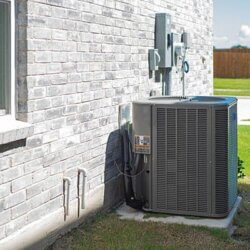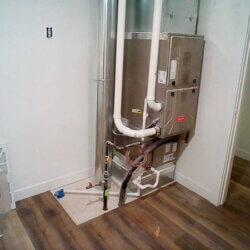

If your furnace and air conditioner are getting older, you may be wondering whether it makes more sense to replace them with another traditional HVAC setup or take a different approach. For many homeowners, replacing a furnace and central air conditioner with a heat pump can provide an opportunity to simplify year-round heating and cooling while potentially improving energy efficiency.
But is it the right choice for your St. Louis home?
The decision to replace a furnace with a heat pump depends on your home’s heating and cooling requirements, existing HVAC equipment, electrical system, ductwork, comfort preferences, budget, and long-term plans. Missouri’s climate also deserves consideration because St. Louis experiences both hot, humid summers and cold winter weather.
Galmiche & Sons can help you evaluate whether a heat pump makes sense for your home and explain your options before you commit to a major HVAC investment.
To learn more and find out if heat pump replacement is right for you, contact our team today.
How Does a Heat Pump Compare with a Furnace?
A furnace generates heat, typically by burning fuel or using electricity. A heat pump works differently. Instead of creating heat, it transfers heat from one location to another.
During summer, a heat pump moves heat from inside your home to the outdoors, providing air conditioning. During winter, the system reverses operation and moves available heat from outside into your home.
This means one heat pump can provide both heating and cooling.
By comparison, a traditional HVAC setup typically uses a furnace for heating and a separate air conditioner for cooling.
For homeowners replacing aging equipment, moving to a heat pump can therefore represent a significant change in how the home is heated and cooled.
Why Replace a Furnace With a Heat Pump?
There are several reasons homeowners may consider making the switch.
One System for Heating and Cooling
A heat pump can provide both heating and cooling from the same system.
Instead of maintaining a separate furnace and air conditioner, you have one primary system responsible for year-round temperature control.
This can simplify your HVAC setup and may make replacement planning easier when both existing systems are nearing the end of their useful lives.
Potentially Improved Energy Efficiency
Heat pumps transfer heat rather than generating it through combustion.
Depending on the equipment being replaced, a properly selected and installed heat pump may reduce energy consumption for heating and cooling.
Actual savings vary based on equipment efficiency, home characteristics, weather, thermostat settings, energy rates, and other factors.
Our Energy Savings from a New Heat Pump guide provides more information about how replacement equipment can affect energy consumption.
Year-Round Comfort
St. Louis homeowners need HVAC equipment that can handle a wide range of conditions.
A properly selected heat pump can provide cooling during hot summer weather and heating during winter.
Modern systems may also offer features such as variable-speed operation and advanced controls that can help provide more consistent indoor comfort.
Are Heat Pumps Good for Missouri Winters?
This is one of the most common questions homeowners ask.
The answer is that heat pumps can be appropriate for Missouri homes, but equipment selection and system design matter.
St. Louis experiences periods of cold winter weather, so a heat pump needs to be properly sized and selected for the home’s heating requirements.
Depending on the system and home, supplemental or auxiliary heating may also be part of the overall design.
A professional HVAC evaluation can help determine whether a heat pump can meet your home’s heating needs and what type of system is appropriate.
Our article on Are Heat Pumps Worth It in Missouri? provides a more detailed look at heat pump performance in Missouri’s climate.
When Does Replacing a Furnace Make Sense?
The decision to replace a furnace with a heat pump may be particularly worth considering when your existing HVAC equipment is already approaching replacement age.
For example, you may want to evaluate a heat pump if:
- Your furnace requires frequent repairs
- Your air conditioner is also aging
- Heating and cooling costs are increasing
- Your home has inconsistent temperatures
- You want to consolidate heating and cooling equipment
- You are interested in improving energy efficiency
- You are planning a major HVAC upgrade
- You want to reduce your reliance on fossil fuel heating
If only one component of your HVAC system is failing while the other remains relatively new, replacement decisions may be different.
Learn more about when the best time is to replace your heat pump.

Will a Heat Pump Cost More Than a Furnace Replacement?
The answer depends on the scope of the project.
Replacing a furnace with another furnace may involve a relatively straightforward equipment replacement. Converting to a heat pump can involve additional considerations, including equipment configuration, electrical requirements, controls, ductwork, and other installation requirements.
However, upfront cost is only one part of the decision.
You should also consider:
- Expected operating costs
- Equipment efficiency
- Repair requirements
- Remaining lifespan of existing equipment
- Available incentives
- Long-term comfort
- Future replacement costs
If both your furnace and air conditioner are aging, replacing them with a heat pump may provide an opportunity to address both systems at once.
Our Heat Pump Replacement Cost Guide explains the factors that can influence the cost of a heat pump replacement.
Common Concerns About Making the Switch
A properly selected and installed heat pump can provide heating in cold weather. The appropriate equipment and system configuration depend on your home’s heating load and local conditions.
Not necessarily. Existing ductwork may be reusable if it is properly sized, in good condition, and compatible with the new system. A professional evaluation can identify any necessary modifications.
If you are converting completely to a heat pump, the existing furnace may be removed as part of the replacement project. Depending on the home’s needs and the system selected, however, some homeowners may choose a configuration that retains supplemental heating.
There is no universal answer. Heat pumps and furnaces operate differently and have different advantages. The best choice depends on your home’s requirements, your priorities, energy costs, existing equipment, and budget.
Is a Heat Pump the Right Replacement for Your Furnace?
Choosing whether to replace a furnace with a heat pump is not simply a matter of comparing two pieces of equipment. It is a decision about how you want your home to be heated and cooled for years to come.
A heat pump may be a good option if you want one system for heating and cooling, are interested in improving efficiency, have aging furnace and AC equipment, or want to explore a different approach to year-round comfort.
However, every home is different. Existing ductwork, insulation, electrical requirements, system sizing, budget, and comfort expectations should all be evaluated before making a decision.
Galmiche & Sons has been helping homeowners throughout the St. Louis area with heating and cooling solutions. We can evaluate your existing HVAC system, discuss the advantages and limitations of heat pump technology, and help you determine whether replacing your furnace with a heat pump makes sense for your home.
Contact Galmiche & Sons today to schedule an evaluation and explore your options for reliable, efficient year-round comfort in St. Louis.