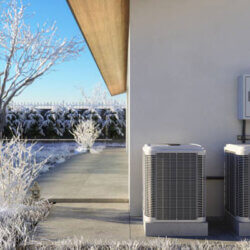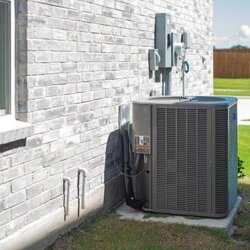

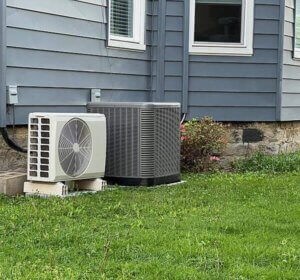
When shopping for a new heating and cooling system, you may find yourself comparing a heat pump vs. an air conditioner. At first glance, the two systems look very similar. Both have indoor and outdoor components, use refrigerant to transfer heat, and can keep your home cool during hot summer weather.
The biggest difference becomes apparent when temperatures drop. A traditional air conditioner provides cooling only, while a heat pump can reverse its operation to provide heating as well. This means a heat pump can potentially replace the need for a separate air conditioner and furnace, depending on your home’s heating requirements and the type of system you choose.
For homeowners in St. Louis, understanding these differences is important when replacing aging HVAC equipment or planning a new installation. Missouri’s hot, humid summers and cold winter weather require a system that can handle changing seasonal conditions.
In this guide, Galmiche & Sons explains how heat pumps and air conditioners work, compares their cooling and heating capabilities, and discusses what to consider when choosing equipment for your home.
To learn more or request a quote for new HVAC system installation in your St. Louis area home, contact us today.
Heat Pump vs. Air Conditioner: The Main Differences
The most important distinction is that an air conditioner is designed to cool your home, while a heat pump can provide both heating and cooling.
| Feature | Heat Pump | Traditional Air Conditioner |
| Cooling | Yes | Yes |
| Heating | Yes | No |
| How it works | Transfers heat in either direction | Removes indoor heat and releases it outdoors |
| Reversing valve | Yes | No |
| Separate heating system needed | Not always; may use supplemental or backup heat | Yes, typically a furnace or another heating system |
| Seasonal operation | Heating and cooling | Primarily cooling |
Although their cooling functions are similar, the equipment and controls differ in important ways. Understanding how each system operates can help you decide which option is appropriate for your home.
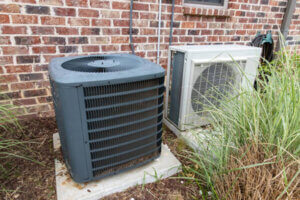
How Does a Heat Pump Work?
A heat pump uses electricity and refrigerant to transfer heat between the inside and outside of your home. Rather than generating heat through combustion, it moves available heat from one location to another.
One of the defining features of a heat pump is its ability to reverse the direction of refrigerant flow. This allows the system to switch between heating and cooling modes.
How a Heat Pump Cools Your Home
During summer, a heat pump operates much like a traditional air conditioner:
- Warm air from inside your home passes over the indoor evaporator coil.
- Refrigerant absorbs heat from the indoor air.
- The refrigerant carries that heat to the outdoor unit.
- The outdoor coil releases the heat outside.
- The cooled indoor air circulates throughout your home.
This process continues until your thermostat reaches the desired temperature.
How a Heat Pump Heats Your Home
When the thermostat calls for heat, the heat pump reverses the refrigerant cycle.
The outdoor coil absorbs available heat from the outside air. The refrigerant carries that heat indoors, where the indoor coil releases it into your home’s air. The system then circulates the warmed air through your ductwork or indoor units.
Even when outdoor temperatures are cold, there is still thermal energy available in the air. However, a heat pump’s heating capacity and efficiency can change as outdoor temperatures fall. Some systems use supplemental electric heat, while dual-fuel systems can work with a gas furnace to provide additional heating when needed.
Learn more about the process in our guide, How Does a Heat Pump Work?
How Does a Traditional Air Conditioner Work?
A traditional central air conditioner uses a refrigeration cycle to remove heat from your home and release it outdoors. Like a heat pump, it has an indoor coil, an outdoor unit, a compressor, refrigerant, and fans that move air across the coils.
During the cooling process:
- Warm indoor air passes over the indoor evaporator coil.
- Refrigerant absorbs heat from the air.
- The refrigerant carries the heat to the outdoor condenser coil.
- The outdoor unit releases the heat outside.
- Cooled air circulates through your home’s ductwork.
An air conditioner continues this process until the thermostat reaches the selected temperature.
The important difference is that a traditional air conditioner does not reverse its refrigerant flow to provide heating. When temperatures drop, your home needs a separate heating system, such as a gas furnace or electric furnace.
If you already have a furnace and air conditioner, you have a common combination system that provides separate equipment for each function.
Learn more about how an air conditioner works.
Heat Pump vs. AC: Comparing Cooling Performance
One common question homeowners ask is whether a heat pump cools as effectively as a traditional air conditioner.
In general, a properly sized and installed heat pump can provide cooling performance comparable to a traditional central air conditioner. Both systems use similar refrigeration technology to remove indoor heat and release it outside.
The cooling performance of either system depends on several factors, including:
- Equipment capacity and efficiency
- Proper system sizing
- Installation quality
- Ductwork design and condition
- Airflow throughout the home
- Indoor and outdoor temperatures
- Regular maintenance
For St. Louis homeowners, humidity control is another important consideration. Summers in the region can be hot and humid, so the cooling system must do more than lower the indoor temperature. It should also remove moisture from the air as it operates.
An oversized system may cool the home quickly without running long enough to remove sufficient moisture. An undersized system may run for extended periods and struggle to maintain the thermostat setting during extreme heat.
These concerns apply to both heat pumps and traditional air conditioners. Choosing the right equipment capacity and ensuring proper installation are essential for comfortable, consistent cooling.
If your existing air conditioner is not keeping your home comfortable, our team can evaluate the system and determine whether repair or replacement makes sense. Learn more about our air conditioning service and repair in St. Louis.
Heating Capability: Where Heat Pumps and Air Conditioners Differ
The ability to provide heating is the biggest distinction between these two systems.
A Heat Pump Provides Both Heating and Cooling
A heat pump can provide year-round temperature control by reversing the direction of heat transfer.
This means homeowners can use one primary system for both seasons rather than relying on a separate air conditioner and furnace. Depending on the equipment, a heat pump may also be paired with supplemental electric heating or a gas furnace.
For homeowners considering a change from a traditional furnace and air conditioner combination, it is important to evaluate the home’s heating requirements and the heat pump’s performance at lower outdoor temperatures.
An Air Conditioner Requires a Separate Heating System
A traditional air conditioner cannot heat your home. It must be paired with another system to provide warmth during the winter.
In many St. Louis homes, that heating system is a gas furnace. Some homes use electric furnaces or other heating equipment.
If you already have a functioning furnace and are replacing only your air conditioner, installing another traditional AC system may be the most straightforward option. However, if both pieces of equipment are aging, it may be worth comparing a conventional replacement with a heat pump system.
How Do Heat Pumps Perform During St. Louis Winters?
Cold-weather performance is an important consideration when choosing a heat pump in Missouri.
Modern heat pumps are available with different operating ranges and cold-weather capabilities. Some models are specifically designed to maintain more heating capacity at lower outdoor temperatures.
Depending on the equipment and the home’s heating requirements, a heat pump may operate with:
- Supplemental electric heat: Electric resistance heating helps provide additional warmth when the heat pump needs assistance.
- Dual-fuel operation: A heat pump works with a gas furnace, allowing the system to use the furnace when conditions or operating costs make it appropriate.
- Cold-climate technology: Certain heat pumps are designed to provide stronger heating performance in colder outdoor conditions.
The right configuration depends on your home’s insulation, size, ductwork, existing equipment, and heating needs. Read our Heat Pump FAQs for more information about heat pump operation and cold-weather performance.
Which System Is Right for Your Home?
Choosing between a heat pump and a traditional air conditioner depends largely on whether you want to maintain a separate heating system or use one system for both functions.
When a Heat Pump May Be a Good Choice
A heat pump may be worth considering if:
- You want one primary system to provide both heating and cooling.
- Your existing furnace and air conditioner are aging and may need replacement.
- You are interested in evaluating an all-electric heating and cooling option.
- You want to explore a dual-fuel system that works with your existing or new furnace.
- Your home has heating and cooling requirements that a properly selected heat pump can meet.
When a Traditional Air Conditioner May Make More Sense
A conventional air conditioner may be a practical choice if:
- Your existing furnace is in good condition and does not need replacement.
- You only need to replace your current cooling equipment.
- You are satisfied with your existing furnace and air conditioner combination.
- Your home’s existing setup makes a conventional AC replacement the most appropriate option.
There is no single solution that works best for every home. The condition of your existing equipment, your heating requirements, energy costs, and installation considerations should all factor into the decision.
For a broader look at heat pump equipment options, visit our Heat Pump Buyers Guide.
Frequently Asked Questions About Heat Pumps vs. Air Conditioners
A heat pump operates much like an air conditioner when cooling your home, but it has additional components and controls that allow it to reverse the refrigerant cycle. This makes it capable of providing both heating and cooling. A traditional air conditioner does not have this reversing capability.
Yes. A properly sized and installed heat pump can provide cooling performance comparable to a traditional central air conditioner. Both systems use refrigerant to remove heat from indoor air and release it outdoors. Actual performance depends on equipment efficiency, installation, airflow, and maintenance.
Yes. A heat pump can be installed as part of a dual-fuel system that works with a gas furnace. The heat pump provides cooling and can handle heating under suitable conditions, while the furnace provides additional heat when needed. The equipment and controls must be properly matched and configured.
In many homes, yes. A properly selected heat pump can provide both heating and cooling. However, some homes benefit from supplemental electric heat or a dual-fuel arrangement with a furnace. An HVAC professional can evaluate your home’s heating requirements and determine which setup is appropriate.
They have many similar maintenance requirements because both systems use refrigerant, coils, fans, and electrical components. However, a heat pump operates in both heating and cooling seasons, so it generally needs professional maintenance twice a year. Seasonal service helps ensure the system is ready for changing outdoor conditions. Learn more about our heat pump maintenance services.
Compare Heat Pump and Air Conditioner Options With Galmiche & Sons
Choosing between a heat pump and a traditional air conditioner is an important decision for your home’s comfort and long-term HVAC investment. While both systems can provide reliable cooling, only a heat pump can reverse operation to provide heating. The best choice depends on your existing equipment, heating needs, home layout, and preferences.
At Galmiche & Sons, we help homeowners throughout St. Louis and surrounding communities evaluate heating and cooling options. Whether you are replacing an older air conditioner, considering a heat pump, or exploring a complete HVAC upgrade, our experienced team can help you understand your options and select equipment suited to your home.
We have been providing professional heating and cooling services since 1950, including equipment installation, replacement, repair, and maintenance.
Ready to compare your options? Contact Galmiche & Sons today to discuss a heat pump or air conditioner for your St. Louis home. Call 314-993-1110 or request a quote or service online.