
If your heat pump has been keeping your home comfortable for years, regular maintenance becomes especially important as the system ages. Wear and tear can affect performance over time, and older equipment may be more vulnerable to unexpected repairs, declining efficiency, and inconsistent indoor temperatures.
The good news is that heat pump maintenance for older heat pumps can help you monitor your system’s condition, address routine maintenance needs, and make more informed decisions about repairs and replacement. Although maintenance cannot reverse age-related wear or guarantee that a system will not break down, it can help you identify concerns and care for your equipment as effectively as possible.
For homeowners in St. Louis and surrounding communities, Galmiche & Sons provides heating and cooling services to help keep homes comfortable through humid summers, cold winters, and changing seasonal temperatures. Learn more about our heat pump maintenance services or schedule your appointment today.
Why Older Heat Pumps Need Special Attention
A heat pump works year-round to provide heating and cooling, so its components experience regular use. As the system ages, parts may wear, performance can change, and repairs may become more frequent.
Older equipment may also be less efficient than newer models, particularly if technology has advanced since the system was installed. However, age alone does not automatically mean your heat pump needs to be replaced. Its condition, repair history, performance, and your household’s comfort needs all matter.
Regular maintenance can help you understand how well your system is operating and whether any developing issues deserve attention.
Common Challenges with Aging Heat Pumps
Homeowners with older heat pumps may notice:
- Higher energy bills: A decline in performance, changing utility rates, weather conditions, or other household factors can contribute to increased energy costs.
- Uneven heating or cooling: Weak airflow, ductwork issues, or equipment problems may make it harder to maintain consistent temperatures.
- More frequent repairs: Worn components can lead to recurring service calls as equipment ages.
- Unusual noises: New rattling, buzzing, grinding, or other unfamiliar sounds may indicate a problem that needs inspection.
- Longer operating cycles: Changes in run time may reflect weather conditions, thermostat settings, airflow restrictions, or system performance issues.
- Reduced reliability: An older heat pump may be more likely to experience a component failure, especially if maintenance has been inconsistent.
These symptoms do not always mean the heat pump is nearing the end of its useful life. A professional evaluation can help identify the likely cause and determine the next steps.
Essential Heat Pump Maintenance for Older Heat Pumps
Older systems benefit from the same basic care as newer equipment, but regular monitoring becomes increasingly valuable as components accumulate wear.
1. Check and Replace the Air Filter Regularly
A dirty air filter restricts airflow and can make it harder for your heat pump to operate properly. Restricted airflow may affect comfort, contribute to increased energy use, and place additional strain on the system.
Inspect your filter monthly and replace or clean it according to the manufacturer’s recommendations and the filter type. Homes with pets, significant dust, or frequent system use may need more frequent filter changes.
Read our guide to how often to change a heat pump filter for practical advice on filter replacement.
2. Keep the Outdoor Unit Clear
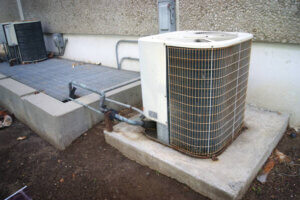
Leaves, grass clippings, dirt, and other debris can accumulate around the outdoor unit and interfere with airflow. Keep the area clear and maintain the manufacturer’s recommended clearance around the equipment.
During winter, check the unit periodically for unusual ice buildup or obstructions. Some frost and temporary ice can occur during normal operation, but heavy ice that does not clear through the system’s normal defrost process may indicate a problem. Do not chip ice off the unit or use sharp tools to remove it.
3. Monitor Heating and Cooling Performance
Pay attention to how your home feels and how your system operates. If certain rooms become uncomfortable, your heat pump struggles to maintain the thermostat setting, or your energy use changes unexpectedly, note when the symptoms began.
These observations can help an HVAC technician narrow down potential causes. Addressing changes early may also help prevent a minor issue from developing into a more disruptive problem.
4. Schedule Professional Tune-Ups
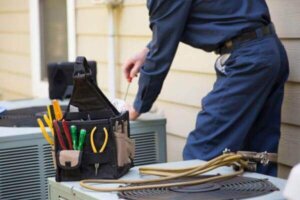
A professional tune-up provides an opportunity to assess the system’s condition beyond basic homeowner maintenance. Depending on the equipment and service, a technician may inspect accessible components, evaluate airflow and operation, check electrical connections and controls, and identify signs of wear or other concerns.
For an older heat pump, this assessment can help you understand what maintenance is needed now and what issues may require attention in the future.
Learn more about professional heat pump tune-ups and what is included and the difference between heat pump maintenance vs. a tune-up.
5. Keep a Record of Repairs and Service
Maintaining a record of service visits, replaced components, recurring problems, and repair costs can help you see patterns over time.
For example, one isolated repair may be reasonable, while repeated failures involving different components could signal that the system is becoming more expensive to maintain. A service history gives you useful information when weighing another repair against replacement.
How Often Should You Service an Older Heat Pump?
Many homeowners schedule professional heat pump maintenance twice a year, commonly in spring and fall. This timing helps prepare the system for the cooling and heating demands ahead.
The appropriate schedule for your equipment depends on its condition, operating demands, manufacturer recommendations, and service history. An older system that runs frequently or has experienced recurring problems may warrant closer monitoring.
Between professional visits, homeowners should continue basic maintenance tasks, especially checking the filter and keeping the outdoor unit clear.
Our seasonal heat pump maintenance guide explains how to prepare your system throughout the year. You can also explore the benefits of preventive heat pump maintenance to understand why routine care matters.
Can Maintenance Extend the Life of an Older Heat Pump?
Proper maintenance can help keep a heat pump operating under appropriate conditions and may reduce the risk of certain avoidable problems. Keeping filters clean, maintaining airflow, and addressing developing issues can support reliable operation.
However, maintenance cannot stop all age-related deterioration. Components can fail unexpectedly, and some systems may continue to lose efficiency or require increasingly expensive repairs despite receiving regular care.
The goal is to make reasonable decisions based on the condition of your particular system, rather than assuming maintenance will keep any heat pump running indefinitely.
Signs Your Older Heat Pump May Need More Than Maintenance
Contact an HVAC professional if you notice:
- Repeated breakdowns or frequent repair visits
- Significant changes in heating or cooling performance
- Persistent unusual noises or vibrations
- Unexplained increases in energy use
- Difficulty maintaining comfortable indoor temperatures
- A repair estimate that raises questions about the value of keeping the system
These signs do not automatically mean replacement is necessary. A technician can assess the problem, explain the available options, and help you understand the likely costs and benefits.
When Is Heat Pump Replacement a Better Option?
At some point, continued repairs may no longer be the most economical choice. If your heat pump is older, requires frequent repairs, or struggles to maintain comfort, it may be worth comparing the cost of continued maintenance and repairs with the benefits of a new system.
Consider several factors when making this decision:
- Age and condition: How old is the equipment, and are important components showing signs of deterioration?
- Repair frequency: Are breakdowns becoming more common, or are you repeatedly paying to address related issues?
- Repair cost: How much will the current repair cost, and are additional repairs likely based on the system’s condition?
- Energy performance: Is the heat pump meeting your comfort needs without unusually high energy use?
- Reliability: Can you depend on the system during St. Louis temperature extremes?
- Replacement options: Would a newer heat pump offer features, performance, or efficiency that better suit your home?
There is no single age or repair-cost threshold that applies to every household. A well-maintained older system may continue to serve its owners effectively, while another system of the same age may be a poor candidate for additional investment.
Explore our heat pump replacement services in St. Louis to learn more about evaluating an aging system and planning for an upgrade when appropriate.
Frequently Asked Questions About Maintaining Older Heat Pumps
Heat pump lifespan varies based on equipment quality, installation, usage, climate, and maintenance history. Regular maintenance can help support reliable operation, but it cannot guarantee a specific lifespan or prevent every component failure.
Age is one factor, but it should not be the only one. Consider the system’s condition, repair history, energy performance, and cost of the proposed repair. A qualified HVAC technician can help you compare continued repairs with replacement options.
Not necessarily, but aging equipment may benefit from closer monitoring if it has recurring problems or operates under demanding conditions. Many homeowners schedule professional service twice a year. Your technician can recommend a suitable schedule based on your system.
Longer run times can occur during extreme outdoor temperatures, but they may also indicate airflow restrictions, thermostat issues, ductwork problems, or equipment performance concerns. Check the filter and thermostat settings first. If the system continues to struggle, arrange a professional evaluation.
You can handle basic tasks such as checking the air filter, keeping vents unobstructed, and removing loose debris from around the outdoor unit. Leave electrical work, refrigerant service, internal component repairs, and other technical tasks to qualified HVAC professionals.
Protect Your Comfort with Galmiche & Sons
An aging heat pump does not automatically need to be replaced. With consistent homeowner care and professional maintenance, you can better understand its condition, address concerns, and make informed decisions about its future.
Galmiche & Sons helps homeowners throughout the St. Louis area maintain their heating and cooling systems and evaluate concerns with older equipment. Whether your heat pump needs routine service, help diagnosing a performance problem, or an assessment of repair versus replacement options, professional guidance can help you determine the next step.
Contact Galmiche & Sons today to learn more about heat pump maintenance or schedule service for your St. Louis-area home.