Cold St. Louis winters put a lot of strain on home heating systems. When temperatures drop, even a small issue can quickly turn into a major comfort problem. Understanding common winter heating problems can help you take quick action, restore heat faster, and know when it is time to call a professional.
At Galmiche & Sons, our team has decades of experience diagnosing and repairing furnaces and heat pumps throughout the St. Louis area. Below are ten of the most frequent winter heating issues homeowners face, along with safe troubleshooting steps you can try before scheduling service.
To learn more or if you need to schedule HVAC maintenance service for your heating system, call our experts or reach out online today.
Common Winter Heating Problems Homeowners Experience
1. Furnace Will Not Turn On
One of the most common winter heating problems is a furnace that will not start at all. Before calling for help, check that the thermostat is set to heat, the temperature is set higher than the room temperature, and the system switch is set to on. Also confirm the circuit breaker has not tripped.
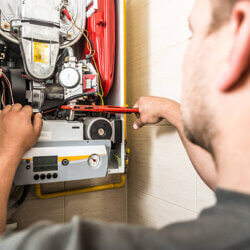
If the system still does not respond, it may be an ignition, control board, or safety switch issue that requires professional furnace repair.
2. Cold Air Blowing From Vents
If your furnace runs but blows cold air, the issue could be a dirty air filter, a pilot light problem, or a malfunctioning flame sensor. Start by replacing the air filter and checking that the gas supply is on. If cold air continues, it is best to stop troubleshooting and call a professional.
You can learn more on our gas furnace repair page about common causes of this issue.
3. Uneven Heating Throughout the Home
Uneven temperatures are common during winter, especially in older St. Louis homes. Blocked vents, closed dampers, or leaky ductwork can prevent warm air from reaching every room. Make sure vents are open and unobstructed before assuming a larger problem.
Learn more about how to fix uneven heating.
4. Furnace Short Cycling
Short cycling happens when the furnace turns on and off frequently without completing a full heating cycle. This can be caused by a clogged filter, thermostat placement issues, or overheating. Replacing the filter is a good first step, but persistent furnace short cycling should be addressed by a trained technician.
5. Strange Noises During Operation
Rattling, banging, or squealing sounds often signal loose components, worn belts, or blower motor issues. While tightening a loose vent cover is safe, internal furnace noises should be inspected by a professional to avoid further damage.
6. Rising Energy Bills
A sudden spike in heating costs can indicate inefficiency. Dirty filters, aging equipment, or improper thermostat settings often contribute to higher bills. Routine maintenance and system tune ups help improve efficiency and reduce winter energy costs.
Visit our winter furnace maintenance page to see how seasonal service can help prevent this problem.
7. Weak Airflow From Vents
Poor airflow is another common winter heating problem. Dirty filters, blocked ductwork, or blower issues can all restrict airflow. Replacing the filter is the safest DIY step. If airflow remains weak, professional diagnostics are recommended.
8. Thermostat Not Responding Properly
If the thermostat screen is blank or the furnace does not respond to temperature changes, try replacing the batteries and checking wiring connections. Smart thermostat compatibility issues may also affect performance, especially with older systems.
9. Pilot Light Keeps Going Out
For older gas furnaces, a pilot light that will not stay lit may indicate a dirty thermocouple or ventilation issue. Relighting the pilot once is acceptable, but repeated failures require professional attention for safety reasons.
10. Burning or Musty Smells
Some odors are normal when a furnace starts after sitting idle, but persistent burning or musty smells can indicate dust buildup, electrical problems, or moisture in the system. If an odor does not fade quickly, shut off the system and call for service.
When DIY Troubleshooting Is Not Enough
While these basic checks can resolve some common winter heating problems, many issues require specialized tools and training. Gas furnaces and heat pumps involve electrical and combustion components that should only be serviced by licensed professionals.
Galmiche & Sons provides trusted furnace repair and emergency heating services throughout the St. Louis area, with a focus on safety, reliability, and long term performance.
Frequently Asked Questions About Winter Heating Issues
Dirty air filters are one of the most frequent causes of heating problems during winter. They restrict airflow and reduce system efficiency.
Basic steps like changing filters or checking thermostat settings are safe. Any issues involving gas, wiring, or internal components should be handled by a professional.
Annual furnace maintenance before winter helps prevent breakdowns and improves efficiency during peak heating season.
If your furnace will not start, is blowing cold air in freezing weather, or you smell gas, contact a professional immediately.
Schedule Trusted Furnace Repair in St. Louis
If you are dealing with ongoing heating issues or want peace of mind during winter, Galmiche & Sons is here to help. Our experienced technicians provide fast, reliable furnace repair and maintenance services across the St. Louis area.
Contact Galmiche & Sons today to schedule heating service, request emergency repair, or learn more about keeping your home warm and comfortable all winter long.