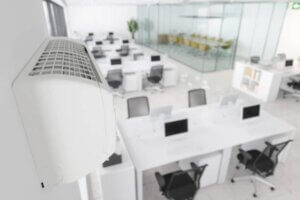
Office buildings depend on reliable heating, cooling, ventilation, and indoor air quality systems to create a comfortable and productive environment. When employees are too hot, too cold, or distracted by poor air quality, productivity can suffer, employee satisfaction can decline, and operating costs can increase. A properly designed and maintained commercial HVAC for office buildings system helps businesses create a healthier workplace while controlling energy expenses.
For office building owners and property managers throughout the St. Louis area, understanding how to optimize commercial HVAC performance can help protect your investment and avoid costly disruptions. This guide explores best practices for maintaining comfort, improving efficiency, and maximizing the lifespan of your commercial HVAC equipment.
To learn more or schedule commercial HVAC service in St. Louis, contact our team today.
Why Commercial HVAC for Office Buildings Matters
Unlike residential systems, office HVAC systems must accommodate varying occupancy levels, multiple zones, conference rooms, server rooms, and changing daily demands. A system that is improperly sized, poorly maintained, or outdated can create significant comfort and efficiency challenges.
An effective commercial HVAC system should:
- Maintain consistent temperatures throughout the building
- Provide proper ventilation and fresh air circulation
- Support healthy indoor air quality
- Minimize energy consumption
- Reduce equipment downtime
- Enhance employee comfort and productivity
Businesses throughout St. Louis experience both hot, humid summers and cold winters, making year-round HVAC performance especially important.

Common Office Building HVAC Challenges
Uneven Temperatures
One of the most common complaints in office buildings is inconsistent temperatures between rooms or floors. Employees may feel comfortable in one area while another section is too hot or too cold.
Common causes include:
- Poor system balancing
- Inadequate zoning
- Airflow restrictions
- Aging equipment
- Improper thermostat placement
Rising Utility Costs
Many office managers notice steadily increasing utility bills without realizing their HVAC system is often the primary contributor. Dirty filters, worn components, and inefficient equipment can significantly increase operating expenses.
For additional guidance on reducing costs, see our page on Energy-Efficient Commercial HVAC Systems: How to Lower Utility Bills Fast.
Poor Indoor Air Quality
Office buildings often contain airborne contaminants such as:
- Dust
- Allergens
- Mold spores
- Volatile organic compounds (VOCs)
- Bacteria and viruses
Poor indoor air quality can contribute to employee discomfort, increased absenteeism, and reduced productivity. Learn more in our article on Commercial Indoor Air Quality Solutions for Commercial HVAC Systems.
Best Practices for Commercial HVAC Efficiency
Schedule Regular Preventive Maintenance
Routine maintenance is one of the most important investments a business can make.
A professional maintenance program helps:
- Identify small issues before they become major repairs
- Improve system efficiency
- Extend equipment lifespan
- Reduce emergency breakdowns
- Maintain consistent comfort
Preventive maintenance should include inspections, cleaning, testing, and calibration of key components.
Our Seasonal Commercial HVAC Maintenance Checklist for Business Owners provides additional recommendations for keeping systems operating efficiently year-round.
Upgrade Aging Equipment
Older HVAC systems often consume significantly more energy than modern high-efficiency equipment.
If your equipment is approaching the end of its expected lifespan, replacement may provide:
- Lower operating costs
- Improved comfort control
- Better indoor air quality
- Reduced repair expenses
- Enhanced reliability
Businesses considering upgrades can learn more by reading Commercial HVAC System Lifespan: When to Repair vs. Replace.
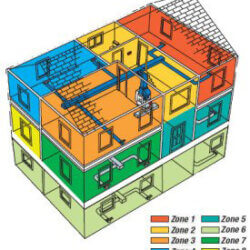
Utilize HVAC Zoning
Large office buildings frequently contain areas with different heating and cooling requirements.
Examples include:
- Conference rooms
- Executive offices
- Open workspaces
- Break rooms
- Server rooms
Commercial HVAC zoning systems allow different areas to be controlled independently, improving comfort while reducing wasted energy.
For more information, visit our guide on Commercial HVAC Zoning Systems: Improve Comfort and Reduce Costs.
Smart Technology Improves Building Performance
Smart Thermostats and Building Controls
Modern building automation systems can significantly improve HVAC performance.
Benefits include:
- Automated scheduling
- Remote monitoring
- Occupancy-based temperature adjustments
- Energy usage reporting
- Reduced energy waste
Many office buildings throughout St. Louis are adopting advanced controls to reduce utility costs while maintaining comfort.
Learn more in Smart Thermostats for Commercial HVAC: Are They Worth It?.
Indoor Air Quality Best Practices
Improve Ventilation
Fresh air exchange is critical for maintaining a healthy workplace. Proper ventilation helps remove indoor pollutants while supporting employee comfort.
Upgrade Filtration
High-quality filtration systems capture more airborne contaminants and improve overall indoor air quality.
Control Humidity Levels
Humidity levels that are too high or too low can impact comfort and encourage mold growth. Maintaining balanced humidity improves both comfort and air quality.
Address Airflow Problems Quickly
Restricted airflow can reduce comfort and place additional strain on HVAC equipment. Routine inspections help identify and correct airflow issues before they become larger problems.
Common Business Pain Points and How Galmiche & Sons Helps
Many office building owners and facility managers contact us because they are experiencing:
- Frequent system breakdowns
- High utility bills
- Employee comfort complaints
- Uneven temperatures
- Poor indoor air quality
- Aging HVAC equipment
At Galmiche & Sons, we help businesses throughout St. Louis develop practical HVAC solutions tailored to their building, occupancy levels, and operational goals. Our experienced technicians provide maintenance, repairs, upgrades, and replacement services designed to improve both comfort and efficiency.
Frequently Asked Questions
Most commercial systems should be professionally inspected and maintained at least twice per year, typically before the cooling and heating seasons.
Yes. Better airflow, proper zoning, improved filtration, and accurate temperature control often result in noticeably higher employee comfort and satisfaction. Learn more about the impact of commercial HVAC workplace comfort on employee productivity.
In many cases, yes. Smart controls can reduce energy waste, improve scheduling, and provide valuable operational insights.
Deferred maintenance is one of the most common causes. Dirty filters, neglected components, and undetected mechanical issues can significantly reduce efficiency.
Schedule Commercial HVAC Service in St. Louis
A reliable commercial HVAC system is essential for maintaining employee comfort, controlling operating costs, and protecting your business investment. Whether you need routine maintenance, repairs, system upgrades, or expert guidance on improving building performance, the team at Galmiche & Sons is here to help.
Contact Galmiche & Sons today to learn more about our commercial HVAC services or schedule an inspection for your office building in the St. Louis area. Our experienced professionals will help you create a more comfortable, efficient, and productive workplace year-round.