
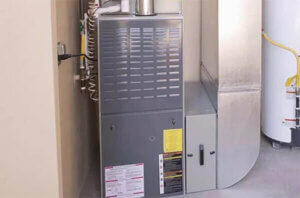
When choosing a heating system, many homeowners want a clear and honest breakdown of the electric furnaces pros and cons before making a decision. In a climate like St. Louis, where winters can bring freezing temperatures, ice, and occasional deep cold snaps, understanding how electric furnaces perform locally is essential.
At Galmiche & Sons, we have installed, repaired, and maintained heating systems throughout the St. Louis area for decades. Our goal is to help you make an informed decision based on your home, your budget, and your long-term comfort needs. Below is a balanced look at the advantages and disadvantages of electric furnaces so you can determine whether they are the right fit for your home.
To learn more about electric furnaces or schedule service, contact our team today.
Electric Furnaces Pros and Cons: A Clear Overview
Before diving into details, here is a simple breakdown:
Pros:
- High safety profile
- Lower upfront installation cost
- Nearly 100 percent efficient at converting electricity into heat
- Compact design
- Minimal maintenance compared to gas systems
Cons:
- Higher operating costs in cold climates
- May struggle during extreme cold without proper sizing
- Dependent on electricity
Now let us take a closer look at each factor.
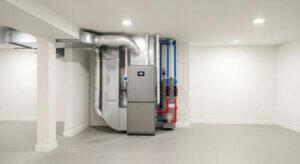
The Benefits of Electric Furnaces
1. Strong Safety Advantages
One of the biggest electric furnaces pros and cons comparisons involves safety. Electric furnaces do not burn fuel, which means there is no risk of carbon monoxide leaks, gas line issues, or combustion-related hazards. For many St. Louis homeowners, this added peace of mind is a major benefit.
Learn more about electric furnace safety.
2. Lower Installation Costs
Electric furnace installation is typically more affordable than installing a gas furnace because it does not require gas piping or venting. If your home does not already have a gas line, electric may be the simpler option. Learn more about the electric furnace installation process.
3. High Energy Conversion Efficiency
Electric furnace efficiency ratings are often close to 100 percent because nearly all the electricity used is converted into heat. While this does not always mean lower energy bills, it does mean very little energy is wasted in the heating process.
4. Compact and Flexible Design
Electric furnaces are generally smaller than gas units and do not require flue pipes. This makes them ideal for homes with limited mechanical space.
5. Reduced Maintenance Needs
Because there are fewer moving parts and no combustion components, electric furnace maintenance is often simpler. However, regular inspections are still critical to protect the electric furnace lifespan and prevent unexpected breakdowns.
The Drawbacks of Electric Furnaces
1. Higher Operating Costs in St. Louis Winters
The most significant factor in evaluating electric furnaces pros and cons is operating cost. Electricity in Missouri typically costs more per unit of heat than natural gas. During prolonged cold weather, this can result in higher monthly utility bills.
If lowering winter energy expenses is a priority, we can help you compare system types during a heating consultation and help you choose the most energy-efficient furnace installation.
2. Performance in Extreme Cold
Electric furnaces produce steady heat, but they do not generate the same intense heat output as gas systems. Proper electric furnace sizing is critical in St. Louis, where temperatures can dip well below freezing. An undersized system may run continuously and struggle to maintain comfort.
3. Power Dependency
Because electric furnaces rely entirely on electricity, they will not operate during a power outage unless paired with a generator. This is an important consideration for homeowners in areas prone to winter storms.
Are Electric Furnaces a Good Fit for St. Louis Homes?
The answer depends on several factors:
- Access to natural gas
- Home insulation and air sealing quality
- Square footage and layout
- Budget and long-term cost goals
- Personal safety preferences
In well-insulated homes or properties without gas access, electric furnaces can be a practical and reliable solution. For larger homes with heavy heating demands, gas systems may offer lower operating costs over time.
If you are unsure, our team can evaluate your current system and help you determine whether electric furnace replacement makes sense.
Frequently Asked Questions
Electric systems can cost more to operate than gas furnaces during cold winters. However, high-efficiency homes may offset some of these costs.
The average electric furnace lifespan ranges from 20 to 30 years with proper maintenance.
Yes. Electric furnace safety is one of their strongest advantages because they do not use combustible fuel.
Absolutely. If your system is underperforming or not heating properly, we offer professional electric furnace repair services throughout St. Louis.
Get Expert Guidance from Galmiche & Sons
Choosing the right heating system is not just about comparing features. It is about comfort, safety, reliability, and long-term value for your St. Louis home.
At Galmiche & Sons, our licensed HVAC professionals provide honest recommendations based on real experience, not sales pressure. Whether you need installation, maintenance, repair, or a full system replacement, we are here to help.
If you are weighing the electric furnaces pros and cons and want clear answers tailored to your home, contact Galmiche & Sons today to schedule a consultation or furnace service in St. Louis. Let our heating and air conditioning experts help you make the right decision with confidence.