St. Louis homeowners know that weather conditions can change quickly. From intense summer heat waves to freezing winter cold snaps and severe storms, your heating and cooling system must work hard to keep your home comfortable. Preparing your equipment ahead of time can prevent breakdowns when you need it most.
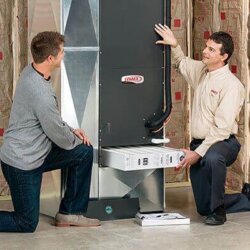
Following the right HVAC maintenance tips helps protect your system, improve energy efficiency, and reduce the risk of costly emergency repairs. At Galmiche & Sons, we help homeowners throughout the St. Louis area prepare their HVAC systems for extreme weather conditions with professional maintenance and expert guidance.
To learn more or schedule professional heating and air conditioner maintenance in St. Louis, contact our team today.
Why Extreme Weather Is Hard on HVAC Systems
Heating and cooling systems are designed to handle seasonal demand, but extreme temperatures push equipment to its limits. During a heat wave or cold snap, systems often run longer cycles and operate at higher capacity.
Without proper maintenance, this increased strain can lead to problems such as:
- Overheating compressors
- Frozen evaporator coils
- Airflow restrictions
- Electrical component failure
- Reduced system efficiency
Routine inspections and preventative service can identify these issues before they cause a breakdown. Learn more in our guide to Seasonal HVAC Maintenance.

Essential HVAC Maintenance Tips Before Extreme Heat
Summer heat waves in the St. Louis region can push temperatures well above 90 degrees. Preparing your air conditioning system before these conditions arrive helps ensure reliable performance.
Replace or Clean Air Filters
One of the simplest HVAC maintenance tips is to check your air filter regularly. Dirty filters restrict airflow, forcing your system to work harder to cool your home.
Replacing the filter every one to three months helps maintain strong airflow and protects the system from overheating.
Clear Debris Around the Outdoor Unit
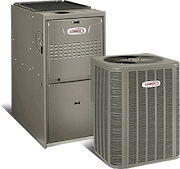
Leaves, grass clippings, and dirt can block airflow around your outdoor condenser unit. This prevents proper heat transfer and reduces efficiency.
Keep at least two feet of clear space around the unit and gently rinse coils with a garden hose to remove dirt buildup.
Check Thermostat Settings
Verify that your thermostat is functioning properly and set to a comfortable but efficient temperature. Smart thermostats can help regulate cooling cycles and reduce unnecessary strain on the system.
HVAC Maintenance Tips for Winter Cold Snaps
Missouri winters can bring sudden temperature drops that place heavy demand on furnaces and heat pumps.
Inspect Vents and Registers
Make sure vents and registers throughout the home are open and unobstructed by furniture or rugs. Proper airflow allows heated air to circulate efficiently.
Test Your Heating System Early
Do not wait until the first freezing night to turn on your furnace. Testing your system early in the fall allows time to identify and repair problems before winter arrives.
Our article on Professional HVAC Maintenance explains how technicians inspect and test heating systems during a service visit.
Check Carbon Monoxide Detectors
Heating systems that burn natural gas should always be paired with working carbon monoxide detectors. This important safety step protects your household during the heating season.
Preparing Your HVAC System for Severe Storms
Storms can cause power outages, debris damage, and flooding that impact HVAC systems.
Protect the Outdoor Unit
Loose debris during storms can damage condenser coils or fan blades. Secure outdoor furniture and remove objects that could blow into the unit during high winds.
Shut Off the System During Flooding
If flooding occurs near your outdoor unit or basement equipment, turn the system off immediately. Electrical components exposed to water should always be inspected by a professional technician before restarting the system.
Common HVAC Problems During Extreme Weather
Many homeowners call for emergency repairs when temperatures are already at their worst. Some common problems we see include:
- Systems that cannot keep up with temperature demands
- Frozen air conditioning coils during heat waves
- Furnaces that fail during freezing temperatures
- Airflow issues causing uneven comfort
Preventative service can help reduce these risks. Our guide on HVAC Preventive Maintenance explains how routine care improves system reliability and efficiency.
Frequently Asked Questions
Most HVAC systems should receive professional maintenance twice per year. One visit prepares the air conditioner for summer and another prepares the furnace for winter.
While no system is immune to failure, regular inspections significantly reduce the likelihood of sudden equipment issues during extreme weather.
Regular filter replacement is one of the most important steps homeowners can take to protect system performance and airflow.
Yes. Seasonal maintenance ensures your system is ready before temperatures reach extreme levels.
Schedule HVAC Maintenance in St. Louis Today
Extreme weather places heavy demands on heating and cooling systems. Following these HVAC maintenance tips can help protect your equipment, reduce energy costs, and keep your home comfortable year round.
If you want peace of mind before the next heat wave, cold snap, or severe storm, the experienced technicians at Galmiche & Sons are here to help. We provide thorough HVAC inspections and maintenance services for homeowners throughout the St. Louis area.
Contact Galmiche & Sons today to schedule professional HVAC maintenance and ensure your system is prepared for whatever weather Missouri brings next.