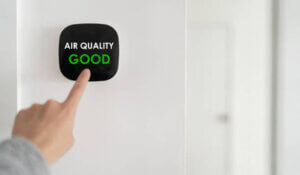
Winter in St. Louis brings cold temperatures, sealed homes, and nonstop heating systems. While staying warm is essential, many homeowners overlook how winter conditions affect indoor air quality. Poor winter indoor air quality can aggravate allergies, trigger respiratory issues, and make your home feel uncomfortable even when the temperature is just right. Understanding the causes and solutions helps protect your family’s health while keeping your heating system running efficiently.
To learn more about how you can improve indoor air quality in your home and schedule HVAC maintenance services in St. Louis, contact our team today.
Why Winter Indoor Air Quality Gets Worse
During winter, homes are sealed tightly to keep cold air out and warm air in. While this improves energy efficiency, it also traps airborne pollutants inside. Dust, pet dander, mold spores, combustion byproducts, and volatile organic compounds can build up quickly when fresh air exchange is limited.
Heating systems play a major role during these months. A gas furnace that is not properly maintained can circulate contaminants through your ductwork or contribute to dryness that irritates skin and sinuses. This is why winter indoor air quality requires a proactive approach rather than reactive fixes.
Common Indoor Air Quality Problems St. Louis Homeowners Face
Many homeowners contact Galmiche & Sons each winter with similar concerns:
- Persistent dry air causing itchy skin, static electricity, and nosebleeds
- Increased allergy or asthma symptoms indoors
- Musty odors or lingering smells when the furnace runs
- Excessive dust buildup shortly after cleaning
- Headaches or fatigue while spending time at home
These issues often point to a combination of filtration problems, airflow imbalances, or neglected heating equipment. Addressing them early prevents larger comfort and health problems later in the season.

How Your Furnace Impacts Winter Indoor Air Quality
Your furnace does more than heat your home. It continuously circulates air through the duct system, which means it can either help clean indoor air or spread pollutants. Professional furnace maintenance ensures burners are clean, heat exchangers are safe, and airflow is balanced throughout your home.
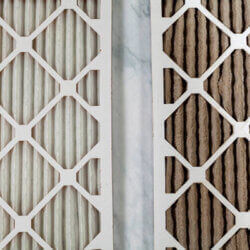
A properly serviced furnace also supports better filtration. High quality air filters capture dust, pollen, and debris before they recirculate. Galmiche & Sons helps homeowners choose the correct air filter type based on system design and household needs rather than relying on one size fits all solutions.
Effective Solutions to Improve Indoor Air Quality in Winter
Upgrade Filtration and Air Cleaning
Standard furnace filters trap large particles, but many homes benefit from enhanced filtration or whole home air cleaners. These systems capture finer particles that affect winter indoor air quality and reduce strain on your heating equipment.
Control Humidity Levels
Cold air holds less moisture, which leads to overly dry indoor environments during winter. Whole home humidifiers work with your furnace to maintain healthy humidity levels, improving comfort while protecting wood floors, furniture, and even your respiratory system.
Learn about more solutions for dry winter air and how we can help.
Seal and Clean Ductwork
Leaky or dirty ductwork allows contaminants from attics, basements, or crawl spaces to enter your living areas. Professional duct inspections and cleaning help restore clean airflow and improve heating efficiency.
Schedule Professional Furnace Service
Routine furnace service ensures safe combustion, proper airflow, and reliable operation throughout the winter. It also gives technicians an opportunity to identify indoor air quality concerns before they affect your family’s comfort.
Checkout our winter HVAC maintenance checklist to learn more about the DIY and professional maintenance you should schedule every winter.
Frequently Asked Questions About Winter Indoor Air Quality
Most homes should replace filters every one to three months during heavy heating use. Homes with pets or allergy concerns may need more frequent changes.
When properly installed and maintained, gas furnaces are safe and effective. Problems usually arise from dirty components, blocked airflow, or lack of professional service.
Yes. Balanced humidity reduces airborne particles, improves comfort, and helps prevent respiratory irritation caused by dry winter air.
Portable units can help individual rooms, but whole home solutions integrated with your furnace provide more consistent results throughout the house.
Improve Your Indoor Air Quality This Winter
If your home feels dry, dusty, or uncomfortable during the heating season, now is the time to act. Contact Galmiche & Sons to schedule furnace service or an indoor air quality evaluation. Our experienced technicians will help you breathe easier and stay comfortable all winter long in your St. Louis home.