 Selecting the best air conditioner for your home is a critical decision that impacts your comfort, energy efficiency, and long-term savings. With so many options available, from central air systems to ductless mini-splits, it’s essential to consider several factors before making a purchase. If you’re a homeowner in St. Louis looking for expert guidance, this guide will help you make an informed decision.
For help selecting the best air conditioner unit for your home or to learn more about our air conditioner installation services, contact us today.
Selecting the best air conditioner for your home is a critical decision that impacts your comfort, energy efficiency, and long-term savings. With so many options available, from central air systems to ductless mini-splits, it’s essential to consider several factors before making a purchase. If you’re a homeowner in St. Louis looking for expert guidance, this guide will help you make an informed decision.
For help selecting the best air conditioner unit for your home or to learn more about our air conditioner installation services, contact us today.
Key Factors to Consider When Choosing the Best Air Conditioner
1. Size and Cooling Capacity
The size of your air conditioner directly affects its efficiency and performance. An undersized unit will struggle to cool your home, while an oversized unit can lead to excess humidity and energy waste. Cooling capacity is measured in British Thermal Units (BTUs), and a professional HVAC contractor can perform a load calculation to determine the ideal BTU rating for your space.2. Energy Efficiency Ratings
Energy efficiency is a crucial consideration, as an efficient air conditioner can lower your utility bills and reduce environmental impact. Look for the following ratings:- SEER (Seasonal Energy Efficiency Ratio) – A higher SEER rating indicates better efficiency. Modern units typically have SEER ratings of 14 or higher.
- ENERGY STAR Certification – AC units with this certification meet strict efficiency standards set by the U.S. Environmental Protection Agency.
- EER (Energy Efficiency Ratio) – Measures efficiency at peak conditions and is useful for comparing units.
3. Types of Air Conditioners
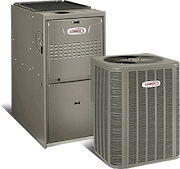
Understanding the different types of air conditioning systems will help you determine which is best suited for your home:- Central Air Conditioning – Ideal for whole-home cooling, connected to ductwork for even air distribution.
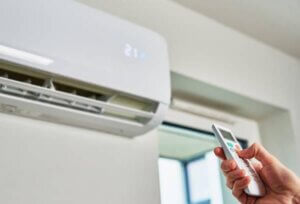
- Ductless Mini-Split Systems – A great option for homes without ductwork, providing zoned cooling and high efficiency.
- Window Units – Suitable for cooling individual rooms but not ideal for whole-home comfort.
- Portable Air Conditioners – Offer flexibility but tend to be less efficient and more suitable for temporary cooling needs.
4. Indoor Air Quality Features
Modern air conditioners come with features that enhance indoor air quality. Consider systems with:- Advanced filtration systems to remove dust, allergens, and pollutants.
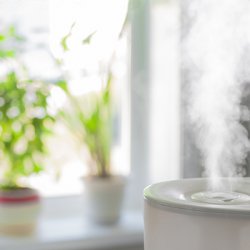
- Humidity control to maintain optimal moisture levels.
- UV light technology to prevent mold and bacteria buildup.
5. Installation and Maintenance Requirements
Professional installation ensures your AC runs efficiently and lasts longer. Consider the following:- Ductwork condition – Ensure your ducts are properly sealed and insulated if installing a central AC system.
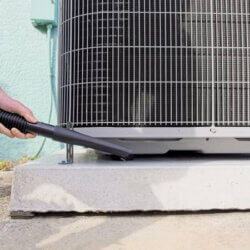
- Regular maintenance – Annual tune-ups and filter changes extend the life of your unit and improve efficiency.
- Warranty and service plans – Look for manufacturers offering strong warranties and consider service agreements for added protection.
FAQs About Choosing the Best Air Conditioner
The correct AC size depends on the square footage of your home, insulation levels, and local climate. A professional HVAC technician can perform a detailed assessment to determine the right unit for your needs.
Yes, ductless mini-split systems are highly efficient, offer zoned cooling, and are ideal for homes without existing ductwork. They also provide heating capabilities in some models. Learn more about Ductless vs. Central Air Conditioning Systems
Most air conditioners last between 10 to 15 years with proper maintenance. If your unit is over 10 years old and experiencing frequent breakdowns, it may be time to upgrade.
Regular maintenance, cleaning or replacing filters, sealing duct leaks, and setting your thermostat to optimal temperatures can improve efficiency. Additionally, upgrading to a higher SEER-rated unit will significantly reduce energy consumption.