
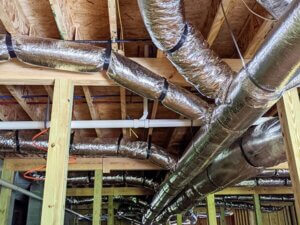
Proper ductwork is a critical, yet often overlooked, component of a well-functioning heating system. The condition, design, and layout of your home’s ducts have a direct impact on furnace performance, efficiency, and indoor comfort. Understanding how ductwork affects furnace installation can save homeowners in St. Louis significant time, money, and energy.
To learn more or schedule professional furnace installation services in St. Louis, contact the professionals at Galmiche & Sons today.
Why Ductwork Matters for Furnace Installation
When installing a new furnace, your duct system serves as the highway for warm air distribution throughout your home. Even the most energy-efficient furnace cannot compensate for poorly designed or damaged ductwork. Key factors that impact installation and performance include:
- Duct condition: Leaks, cracks, or disconnected ducts reduce airflow and force your furnace to work harder.
- Layout design: Improperly routed ducts can create uneven heating and cool spots in your home.
- Size and capacity: Ducts that are too small or too large for your system can negatively affect efficiency and furnace lifespan.
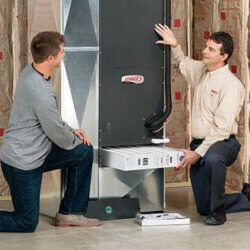
Our experienced technicians evaluate your duct system before installation to ensure it meets the specifications required for optimal furnace operation.
How Duct Issues Affect Heating Efficiency
Inefficient ductwork can lead to a range of problems, including:
- Higher energy bills: Leaks and poor airflow cause your furnace to run longer, consuming more energy.
- Inconsistent temperatures: Rooms may feel too hot or too cold due to uneven air distribution.
- Increased wear on the furnace: Extra strain on your system can lead to premature breakdowns and costly repairs.
At Galmiche & Sons, we provide solutions that address these issues, such as sealing leaks, insulating ducts, and recommending upgrades to improve airflow.
When Ductwork Upgrades Are Necessary
During a furnace installation, our team identifies whether your existing ducts can support the new system. Signs that upgrades may be needed include:
- Frequent furnace cycling or short runs
- Noticeable temperature differences between rooms
- Visible damage, sagging, or disconnected ducts
- High energy bills despite normal usage
Upgrading or resizing your ducts during installation ensures your new furnace operates at peak efficiency, providing consistent comfort throughout your home.
Learn more about when ductwork replacement is necessary with HVAC unit replacement.
How Ductwork Affects Furnace Installation: Common Customer Pain Points
Many homeowners encounter the same frustrations related to ductwork and heating performance:
- Rising energy costs without understanding the cause
- Cold rooms even when the furnace is running
- Frequent repairs due to system strain
- Dust or poor indoor air quality caused by leaky ducts
Galmiche & Sons addresses these issues by offering comprehensive duct evaluations and solutions that enhance both comfort and energy efficiency.
FAQs About Ductwork and Furnace Installation
Yes. Poor airflow caused by leaks or improper sizing increases strain on your furnace, which can shorten its operational life.
Signs include uneven heating, frequent system cycling, visible leaks, or high energy bills. Our technicians provide a detailed inspection to recommend necessary improvements.
Absolutely. Sealing and insulating ducts reduces energy loss, enhances airflow, and improves overall heating efficiency, saving money on your monthly bills.
Ensure Optimal Performance with Galmiche & Sons
Ductwork plays a pivotal role in the success of your furnace installation and your home’s heating efficiency. Choosing a trusted St. Louis HVAC company like Galmiche & Sons ensures your system is properly installed, your ducts are optimized, and your home stays comfortable throughout the winter.
Contact us today to schedule a consultation or furnace installation and learn how proper ductwork can improve your system’s performance. Contact our heating and air conditioning company online or call us to experience heating solutions you can trust.