Choosing the right heating system is one of the most important decisions St. Louis homeowners can make for comfort, energy efficiency, and long term cost control. If you are comparing an electric furnace vs. heat pump, you are already taking a smart step toward understanding how different systems perform in Missouri’s winter climate. Each option has advantages, and the right choice depends on your home, your energy goals, and how you use your heating system.
At Galmiche and Sons, our experienced HVAC professionals help homeowners throughout the St. Louis area evaluate heating options based on real world performance, safety, and long term reliability. To learn more and find out if an electric furnace is right for you, contact our team today.
Electric Furnace vs. Heat Pump: Understanding the Basics
Before deciding between an electric furnace vs. heat pump, it helps to understand how each system produces heat.
How Electric Furnaces Work
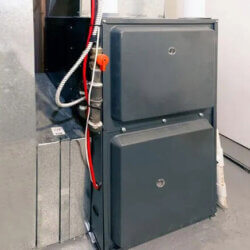
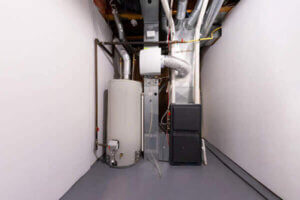
An electric furnace uses electric heating elements to warm air. The blower then distributes that heated air through your ductwork. Electric furnaces do not rely on combustion, so there is no gas line, flame, or carbon monoxide risk related to fuel burning. This makes them a simple and safe heating option for many homes. Learn more about system operation on our How Electric Furnaces Work page.
How Heat Pumps Work
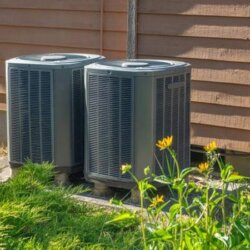
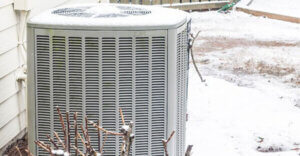
A heat pump works differently. Instead of generating heat, it transfers heat from the outdoor air into your home. Even in cold weather, some heat energy exists outside. The system extracts it and moves it indoors. During warmer months, the process reverses and the heat pump acts like an air conditioner.
Performance in Cold Weather in St. Louis
One of the biggest factors in the electric furnace vs. heat pump debate is winter performance.
Electric Furnace Cold Weather Performance
Electric furnaces provide consistent heat regardless of outdoor temperature. When it is below freezing in St. Louis, an electric furnace can still produce full heating capacity without strain. This reliability makes electric furnaces appealing for homeowners who want dependable warmth during the coldest days.
Heat Pump Cold Weather Limitations
Heat pumps are highly efficient in mild temperatures. However, as outdoor temperatures drop, they must work harder to extract heat. In very cold weather, efficiency decreases and many systems rely on supplemental electric resistance heat. That backup heat can increase energy use. If you want to explore other system comparisons, visit our Electric Furnace vs. Gas Furnace guide.
Energy Usage and Efficiency
When comparing an electric furnace vs. heat pump, efficiency ratings can be misleading without context.
Electric furnaces convert nearly all the electricity they use into heat. This sounds efficient, but electricity can be more expensive than other energy sources, which affects operating costs.
Heat pumps can deliver more heat energy than the electricity they consume under moderate conditions. This can make them very efficient during fall and spring. In deep winter conditions common in St. Louis, that advantage may shrink.
Our team often evaluates insulation, duct condition, and home size before recommending the most efficient solution. Proper Electric Furnace Sizing also plays a major role in performance and cost.
Learn more about electric furnace efficiency.
Installation and Equipment Costs
Initial cost is another key consideration.
Electric furnaces typically have lower upfront equipment and installation costs. They are simpler systems and often easier to integrate into existing ductwork. Read more about Electric Furnace Installation Costs.
Heat pumps usually cost more initially because they include both heating and cooling components. However, they can replace a separate air conditioner, which may balance the investment for some homeowners.
Maintenance and Longevity
Both systems benefit from regular professional maintenance.
Electric furnaces have fewer moving parts and no combustion components, which can mean lower maintenance complexity. Annual inspections help ensure electrical connections, heating elements, and airflow remain in good condition. Our Electric Furnace Maintenance guide explains recommended service.
Heat pumps require maintenance for both heating and cooling operation, including refrigerant levels, coils, and outdoor unit components.
Frequently Asked Questions
In colder St. Louis winters, electric furnaces provide more consistent heating output. Heat pumps may need supplemental heat during extreme cold.
Heat pumps are often more efficient in mild weather. Electric furnaces provide steady performance regardless of outdoor temperature, which can be beneficial during long cold spells.
Both systems are safe when installed correctly. Electric furnaces avoid combustion, which eliminates gas related risks.
Yes. We evaluate your home’s size, insulation, ductwork, and comfort goals to recommend the best system for your needs.
Schedule Expert Heating Help in St. Louis
Still deciding between an electric furnace vs. heat pump? The right answer depends on your home and how you use your heating system. The trusted professionals at Galmiche and Sons have decades of experience helping St. Louis homeowners choose reliable, efficient solutions.
Contact Galmiche and Sons today to schedule a heating consultation or furnace service. Our heating and air conditioning experts will help you compare options, improve comfort, and make a confident decision for your home.