
Choosing between an electric furnace and a gas furnace is one of the most important heating decisions St. Louis homeowners make. Each system has advantages depending on your budget, comfort expectations, home setup, and long term energy goals. Understanding how these systems compare helps you invest confidently and avoid surprises once winter arrives.
At Galmiche & Sons, we have helped St. Louis families evaluate, install, and service both systems for decades. This guide breaks down the electric furnace vs. gas furnace decision clearly so you can determine what works best for your home.
To learn more about gas and electric furnaces or schedule service for your St. Louis area home contact our team today.
Understanding the Basics of Electric and Gas Furnaces
Before comparing costs and efficiency, it helps to understand how each system works.
How Electric Furnaces Work
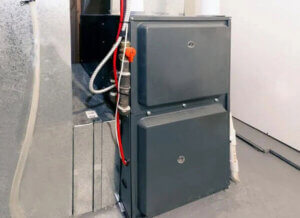
Electric furnaces use electric heating elements to generate warmth. Air passes over these elements and is distributed through your ductwork. Electric systems do not require combustion, gas lines, or venting.
Learn more in our guide on how electric furnaces work.
How Gas Furnaces Work
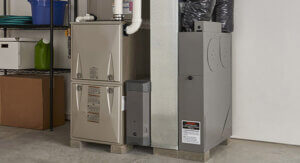
Gas furnaces burn natural gas to produce heat through a heat exchanger. Warm air is circulated while exhaust gases are vented safely outside. Gas furnaces are common in the St. Louis area due to cold winters and widespread gas availability.
Learn more about how a gas furnace works.
Electric Furnace vs. Gas Furnace Cost Comparison
Cost is often the first concern homeowners raise.
Installation Costs
Electric furnace installation generally costs less upfront. These systems are simpler to install and do not require gas piping or flue venting. Gas furnace installation costs more due to additional components and safety requirements.
Operating Costs in St. Louis
While electric furnaces cost less to install, gas furnaces usually cost less to operate in the St. Louis climate. Natural gas rates are typically lower than electricity rates during extended heating seasons. This difference can significantly impact monthly utility bills.
Efficiency and Performance in Cold Weather
Efficiency ratings alone do not tell the whole story.
Electric Furnace Efficiency
Electric furnaces operate at nearly 100 percent efficiency at the unit because all electricity is converted into heat. However, electricity production costs still affect overall energy expenses.
Gas Furnace Heating Power
High efficiency gas furnaces provide strong, consistent heat even during extreme cold snaps. This makes them well suited for Missouri winters where temperatures regularly drop below freezing.
Safety and Indoor Air Considerations
Safety Advantages of Electric Furnaces
Electric furnaces eliminate risks associated with combustion, carbon monoxide, and gas leaks. This makes them appealing for homeowners prioritizing simplicity and safety.
Gas Furnace Safety Factors
Modern gas furnaces are very safe when properly maintained. Regular inspections, filter changes, and annual tune ups are essential. Our gas furnace maintenance services help ensure safe operation throughout winter.
Climate Suitability for St. Louis Homes
Climate plays a major role in choosing the right system.
Electric furnaces work well for smaller homes, well insulated properties, or homeowners pairing them with heat pumps. Gas furnaces are often the better choice for larger homes or those seeking faster heat recovery during very cold weather.
Maintenance and Longevity
Electric furnaces typically require less maintenance because they have fewer moving parts. Gas furnaces require annual service but often last longer when maintained properly.
If your system is struggling, our furnace repair services are available throughout St. Louis.
Which Furnace Is Right for Your Home?
The best choice depends on:
- Access to natural gas
- Upfront budget versus long term operating costs
- Home size and insulation
- Safety preferences
- Comfort expectations during cold weather
A professional evaluation ensures you choose a system that fits both your home and your lifestyle.
Frequently Asked Questions
Electric furnaces usually cost less to install but often cost more to operate during cold St. Louis winters.
They can, especially in well insulated homes. Gas furnaces generally provide stronger heating performance in extreme cold.
Both systems can last 15 to 20 years or more with proper maintenance.
Yes, but conversion costs and infrastructure requirements vary. A professional assessment is recommended.
Talk to St. Louis Heating Experts You Can Trust
Choosing between an electric furnace vs. gas furnace does not have to be overwhelming. Galmiche & Sons provides honest recommendations based on your home, budget, and comfort needs. Whether you are upgrading, replacing, or repairing your system, our experienced team is here to help.
Contact Galmiche & Sons today to schedule a consultation or request furnace service in St. Louis and get expert guidance you can rely on.