When homeowners in St. Louis consider upgrading their heating system, efficiency is often one of the first concerns. Rising utility costs, colder winters, and a growing focus on energy use all raise an important question: how efficient are electric furnaces? Understanding electric furnace efficiency helps you make a confident, cost effective decision for your home and long term comfort.
To learn more or for help selecting the best electric furnace for your home, contact our experts today.
Understanding Electric Furnace Efficiency
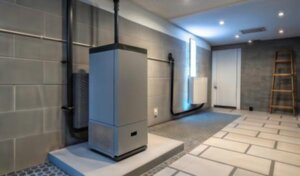
Electric furnace efficiency is measured differently than gas systems, which can be confusing for homeowners. Electric furnaces convert electricity directly into heat using heating elements, much like a large toaster inside your HVAC system. Because there is no combustion, electric furnaces do not lose heat through flue gases or venting.
Most electric furnaces operate at nearly 100 percent efficiency at the unit level. This means almost all the electricity consumed is converted into heat for your home. From a technical standpoint, electric furnace efficiency is extremely high.
However, efficiency does not always equal lower operating costs. Electricity rates, system sizing, ductwork condition, and thermostat settings all influence what you actually pay each month.
What AFUE Ratings Mean for Electric Furnaces
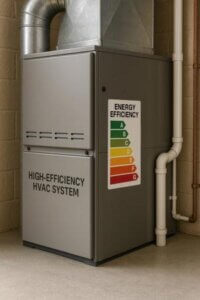
AFUE stands for Annual Fuel Utilization Efficiency. It measures how much energy is converted into usable heat over a heating season. Energy-efficient gas furnaces typically range from 80 to 98 percent AFUE.
Electric furnaces usually carry an AFUE rating of 95 to 100 percent because there is no fuel loss through exhaust. This makes electric furnaces one of the most efficient heating systems on paper.
Learn more about how electric furnaces work.
Electric Furnace Efficiency vs. Operating Costs
While electric furnace efficiency is high, operating costs depend on local energy prices. In St. Louis, electricity typically costs more per unit of heat than natural gas. This means an electric furnace may cost more to operate during extended cold spells, even though it runs efficiently.
Homes with good insulation, modern duct sealing, and smart thermostat control tend to see better overall performance from electric furnaces. In smaller homes or properties without access to natural gas, electric furnaces can still be a practical and reliable choice.
For a direct comparison, you may find our article helpful on electric furnace vs. gas furnace options.
Common Myths About Electric Furnace Efficiency
Myth One: Electric Furnaces Waste Energy
Electric furnaces do not waste energy at the unit level. Nearly all electricity is converted into heat. The real issue is energy cost, not efficiency.
Myth Two: Electric Furnaces Cannot Handle Cold Winters
Modern electric furnaces are fully capable of heating St. Louis homes when properly sized and installed. Comfort problems usually stem from undersized equipment or poor airflow, not the furnace type.
Myth Three: Electric Furnaces Always Cost More
Operating costs vary by home. Well insulated houses with moderate square footage can see reasonable winter bills with electric heating, especially when paired with programmable thermostats.
Factors That Improve Electric Furnace Efficiency
Several factors help maximize electric furnace efficiency and reduce monthly heating costs:
- Proper furnace sizing based on your home’s layout
- Sealed and insulated ductwork
- High quality air filters replaced regularly
- Smart or programmable thermostat settings
- Routine professional maintenance
Our electric furnace maintenance checklist explains how regular service protects efficiency over time.
When Efficiency Drops and Repairs Are Needed
Even efficient systems lose performance when parts wear down. Warning signs include uneven heating, longer run times, rising electric bills, or weak airflow. Addressing issues early prevents efficiency loss and helps avoid full system breakdowns.
If you notice these problems, our electric furnace repair services in St. Louis can restore performance quickly and safely. Learn more about our electric furnace repair services.
FAQs About Electric Furnace Efficiency
At the unit level, electric furnaces are more efficient. In terms of operating cost, gas furnaces are often less expensive to run in St. Louis due to lower fuel prices.
Yes. Smart thermostats reduce unnecessary runtime, improve temperature consistency, and lower energy usage when you are away from home.
With proper maintenance, electric furnaces can maintain strong efficiency for 20 to 30 years.
Electric furnaces work well in certain homes, especially those without gas service or with strong insulation and energy controls.
Talk with a Local Electric Furnace Expert
Choosing the right heating system requires more than just efficiency ratings. At Galmiche & Sons, our heating and air conditioning experts help St. Louis homeowners evaluate electric furnace efficiency, operating costs, and comfort needs with honest guidance and expert installation.
If you are considering an electric furnace upgrade or want to improve your current system’s efficiency, contact Galmiche & Sons today to schedule electric furnace service or a personalized consultation in St. Louis.