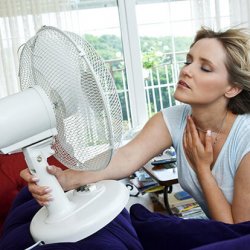
When summer temperatures arrive in the St. Louis area, your HVAC system works overtime to keep your home cool and comfortable. Unfortunately, the increased demand placed on air conditioners during periods of extreme heat can also expose underlying issues that may have gone unnoticed during milder weather.
Understanding the most common summer HVAC problems and knowing how to prevent them can help you avoid inconvenient breakdowns, costly repairs, and uncomfortable days without air conditioning. At Galmiche & Sons, we help St. Louis homeowners keep their systems running efficiently all season long through expert maintenance, timely repairs, and honest recommendations.
Contact our team today for air conditioner repair services or to learn more.
Why Summer Is Hard on Your HVAC System
Missouri summers bring high temperatures and humidity that force cooling systems to run longer and work harder. This constant operation can accelerate wear and tear on components, especially if the system has not been properly maintained.
Fortunately, many common summer HVAC problems can be prevented with routine care and prompt attention to warning signs.
Common Summer HVAC Problems Homeowners Face
Frozen Evaporator Coils
One of the most surprising summer HVAC issues is a frozen evaporator coil.
Despite the hot weather outside, restricted airflow or refrigerant problems can cause the indoor coil to become too cold and ice over.
Signs of Frozen Coils
- Warm air coming from vents
- Reduced airflow
- Ice visible on refrigerant lines or the indoor unit
- Longer cooling cycles
- Increased indoor humidity
How to Prevent Frozen Coils
- Replace air filters regularly
- Keep supply and return vents unobstructed
- Schedule annual AC maintenance
- Address refrigerant issues promptly
- Avoid setting the thermostat excessively low
Clogged Condensate Drain Lines
Your air conditioner removes moisture from the air as it cools your home. That moisture drains away through a condensate line.
Over time, algae, dirt, and debris can clog the drain line, causing water backups.
Signs of a Clogged Drain Line
- Water pooling near the indoor unit
- Musty odors
- Increased indoor humidity
- System shutdowns triggered by safety switches
- Water stains near HVAC equipment
Learn more about signs of a clogged AC drain line.
Prevention Tips
- Schedule professional maintenance each spring
- Have drain lines inspected and cleaned
- Address drainage concerns immediately
- Replace dirty filters that contribute to buildup
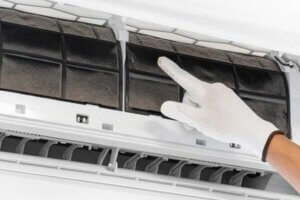
Dirty Air Filters
Among all common summer HVAC problems, dirty air filters are one of the easiest to prevent.
Restricted airflow forces your system to work harder than necessary.
Problems Caused by Dirty Filters
- Reduced airflow
- Higher energy bills
- Increased wear on components
- Frozen evaporator coils
- Poor indoor air quality
- Uneven cooling
How Often Should Filters Be Changed?
Most homeowners should inspect filters monthly and replace them every one to three months, depending on:
- Filter type
- Household occupancy
- Pets in the home
- Allergy concerns
- Overall system usage
Refrigerant Leaks
Air conditioners rely on refrigerant to absorb and transfer heat.
A refrigerant leak can significantly reduce cooling performance.
Signs of Refrigerant Problems
- Warm air from vents
- Longer cooling cycles
- Ice buildup
- Hissing sounds
- Rising utility bills
Because refrigerant systems require specialized equipment and certifications, these issues should always be handled by licensed HVAC professionals. Learn more about air conditioner refrigerant leaks.
Overheating HVAC Systems
Extreme St. Louis temperatures can push aging or neglected systems beyond their limits.
Causes of Overheating
- Dirty condenser coils
- Restricted airflow
- Electrical component failures
- Lack of maintenance
- Aging equipment
An overheating system may shut down unexpectedly or struggle to maintain comfortable temperatures.
Preventative Measures
- Schedule annual tune-ups
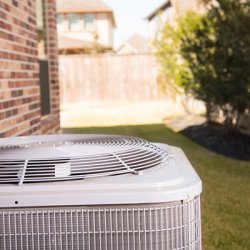
- Keep outdoor units clear of debris
- Trim vegetation around condensers
- Replace filters regularly
- Address unusual performance changes early
The Importance of Preventative Maintenance
Many common summer HVAC problems develop gradually and can often be identified before they lead to complete system failure.
Routine maintenance helps homeowners:
- Improve system efficiency
- Lower utility bills
- Reduce breakdown risks
- Extend equipment lifespan
- Improve cooling performance
- Maintain warranty protection
Warning Signs You Should Not Ignore
Do not wait for your system to stop working completely before seeking help.
Contact an HVAC professional if you notice:
- Unusual noises
- Reduced airflow
- Warm air from vents
- Frequent cycling
- Water leaks
- Unexplained increases in utility costs
- Hot and cold spots throughout your home
Early intervention often results in less expensive repairs and fewer disruptions.
Learn more about signs you need a new air conditioner or repair.
Frequently Asked Questions
Frozen coils, clogged drain lines, dirty air filters, refrigerant leaks, and overheating systems are among the most frequent issues homeowners experience during summer.
Yes. Regular maintenance, timely filter changes, and addressing minor issues quickly can significantly reduce the risk of major failures.
Most systems should receive professional service at least once per year, ideally during the spring before peak cooling season begins. Learn more about the benefits of scheduling an AC tune-up in spring.
Frozen coils are often caused by restricted airflow, dirty filters, blocked vents, or refrigerant issues.
If your system stops cooling properly, develops leaks, makes unusual noises, or shows signs of reduced performance, professional evaluation is recommended.
Stay Ahead of Summer HVAC Problems with Galmiche & Sons
The best way to avoid common summer HVAC problems is to take a proactive approach to system care. Preventative maintenance and prompt repairs can help protect your comfort during even the hottest St. Louis summer days.
Whether you need a seasonal tune-up, expert troubleshooting, or emergency AC repair, the experienced team at Galmiche & Sons is here to help. Contact us today to learn more about our HVAC services or schedule an HVAC maintenance appointment to keep your system operating at its best all summer long.